civil-commercial-landscaping, rehabilitation, maintenance

Mulching & Weed Matting

Mulch and weed matting do the same three jobs — suppress weeds, hold moisture, protect the soil surface — by different means, and the right choice depends on the site, the access and how long it has to last. Getting it right reduces maintenance cost for years afterwards. Getting it wrong means hand-weeding a bed in perpetuity, or matting a slope that needed mulch.

Mulch Supply and Spread

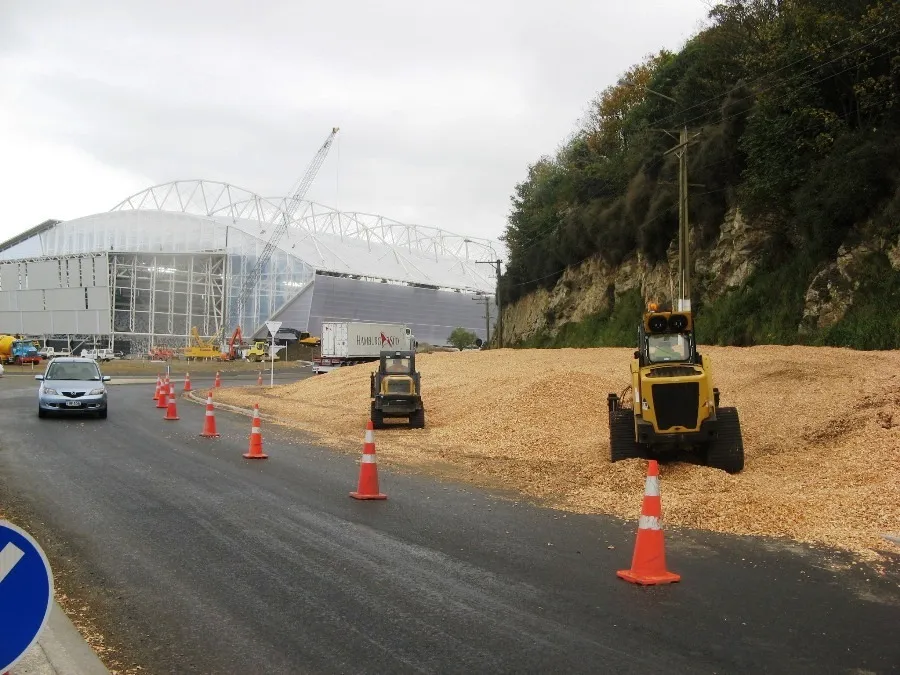
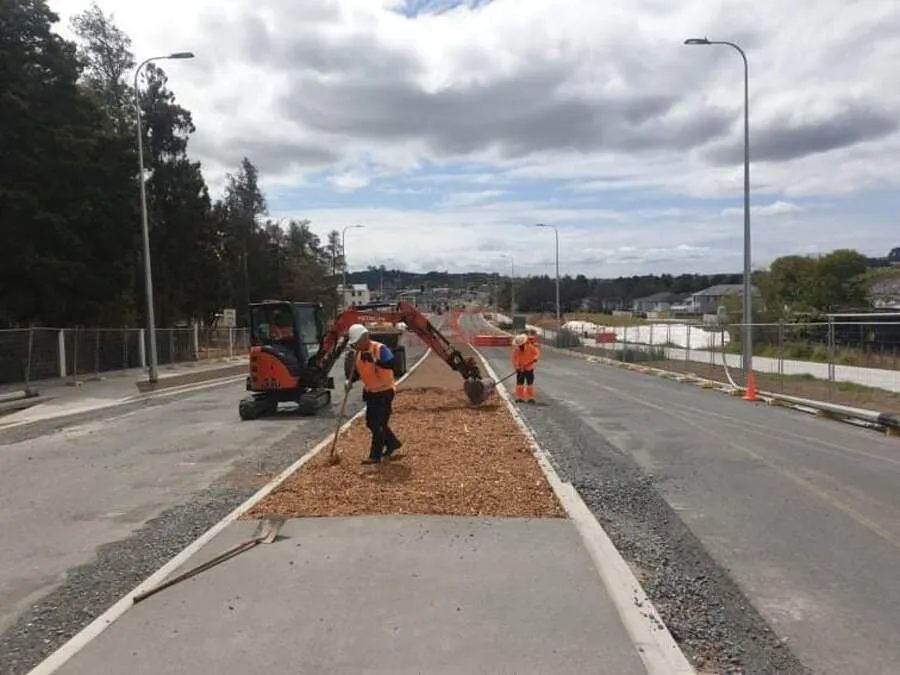
A good mulch layer suppresses weed growth, retains moisture so plants root deeper, reduces erosion, buffers soil temperature swings, and improves soil structure over time as it breaks down and feeds worm and microbial activity.

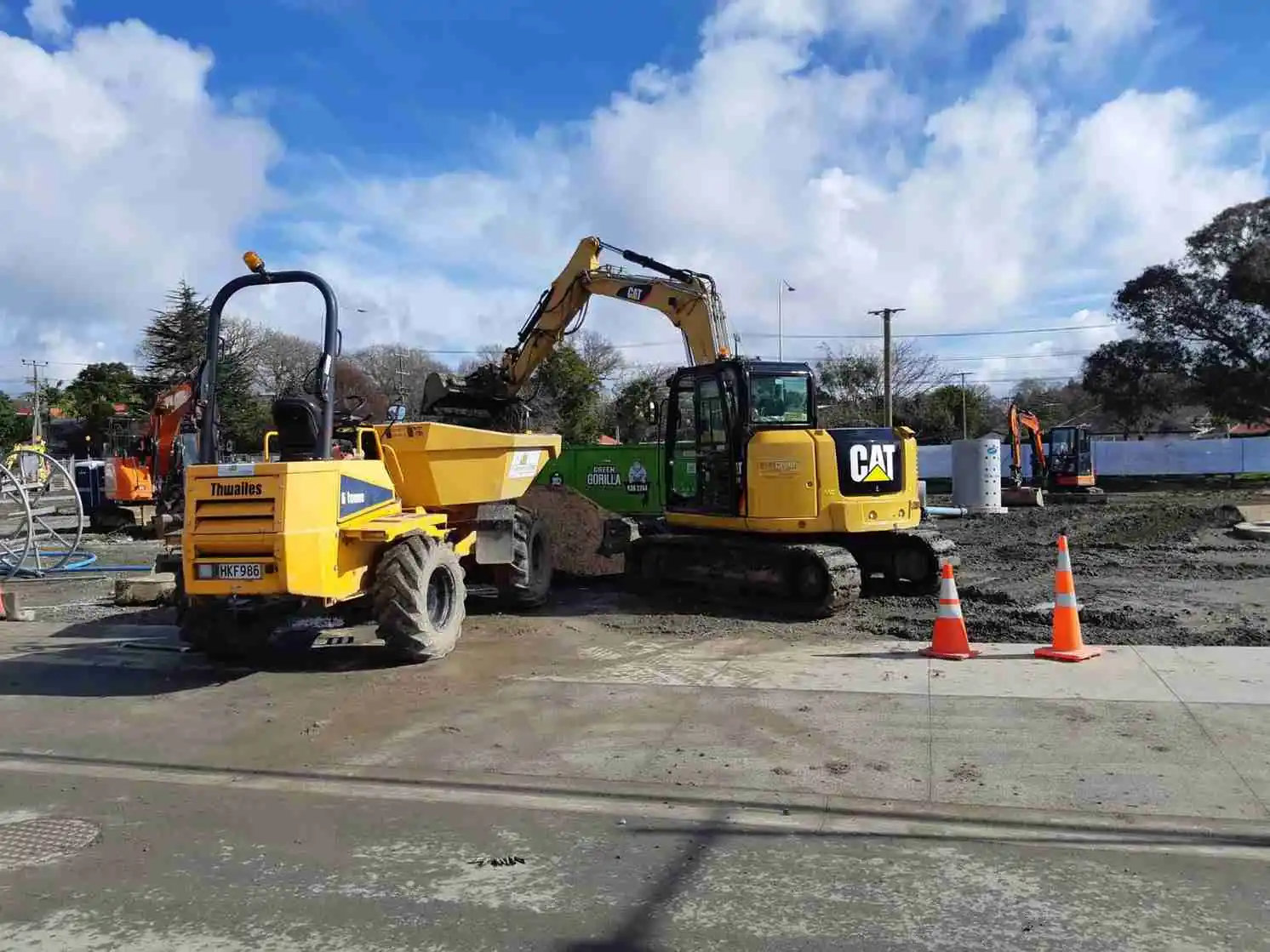
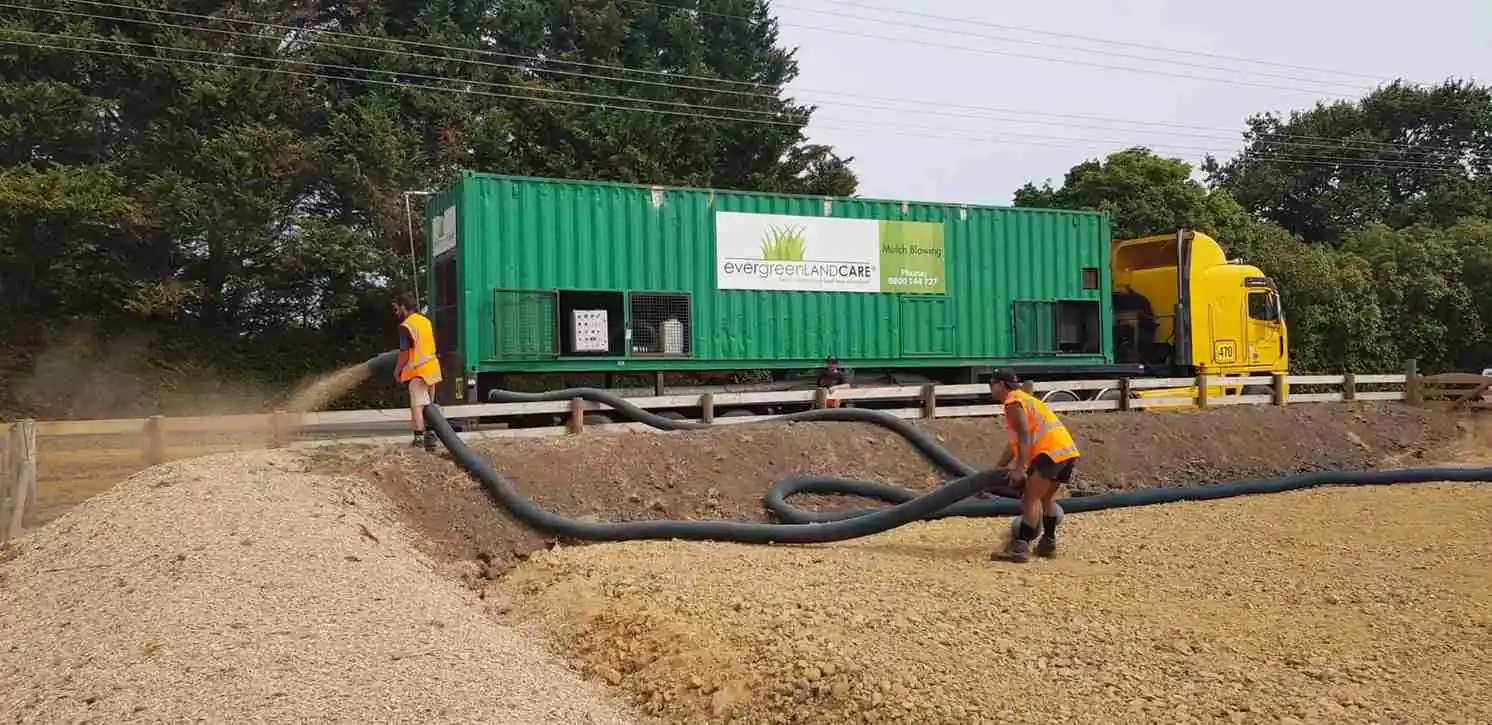
We supply and spread across projects of any size, mechanically where machinery can get in and by blower truck where it cannot. Depth and mulch type are specified to the planting and the setting — bed mulch, tree mulch and corridor mulch are not the same thing, and mulch held against plant stems causes rot rather than preventing it.

Bark Blowing

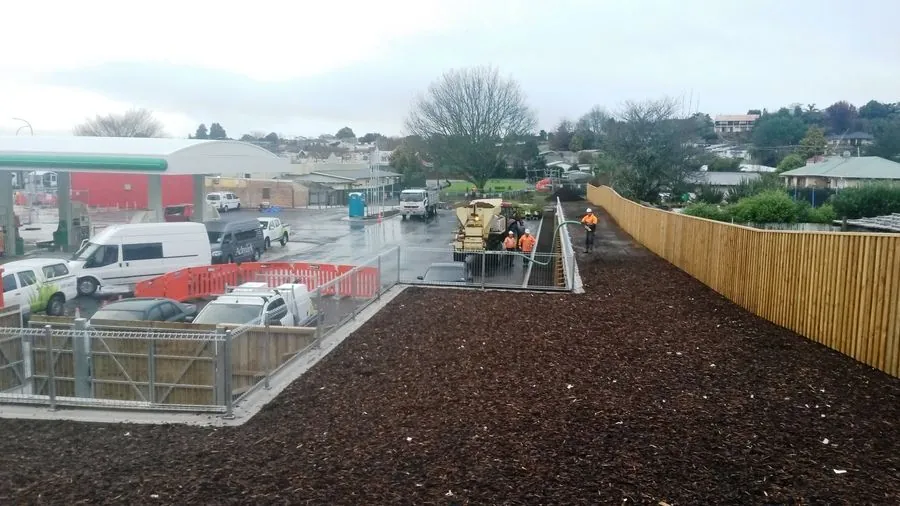
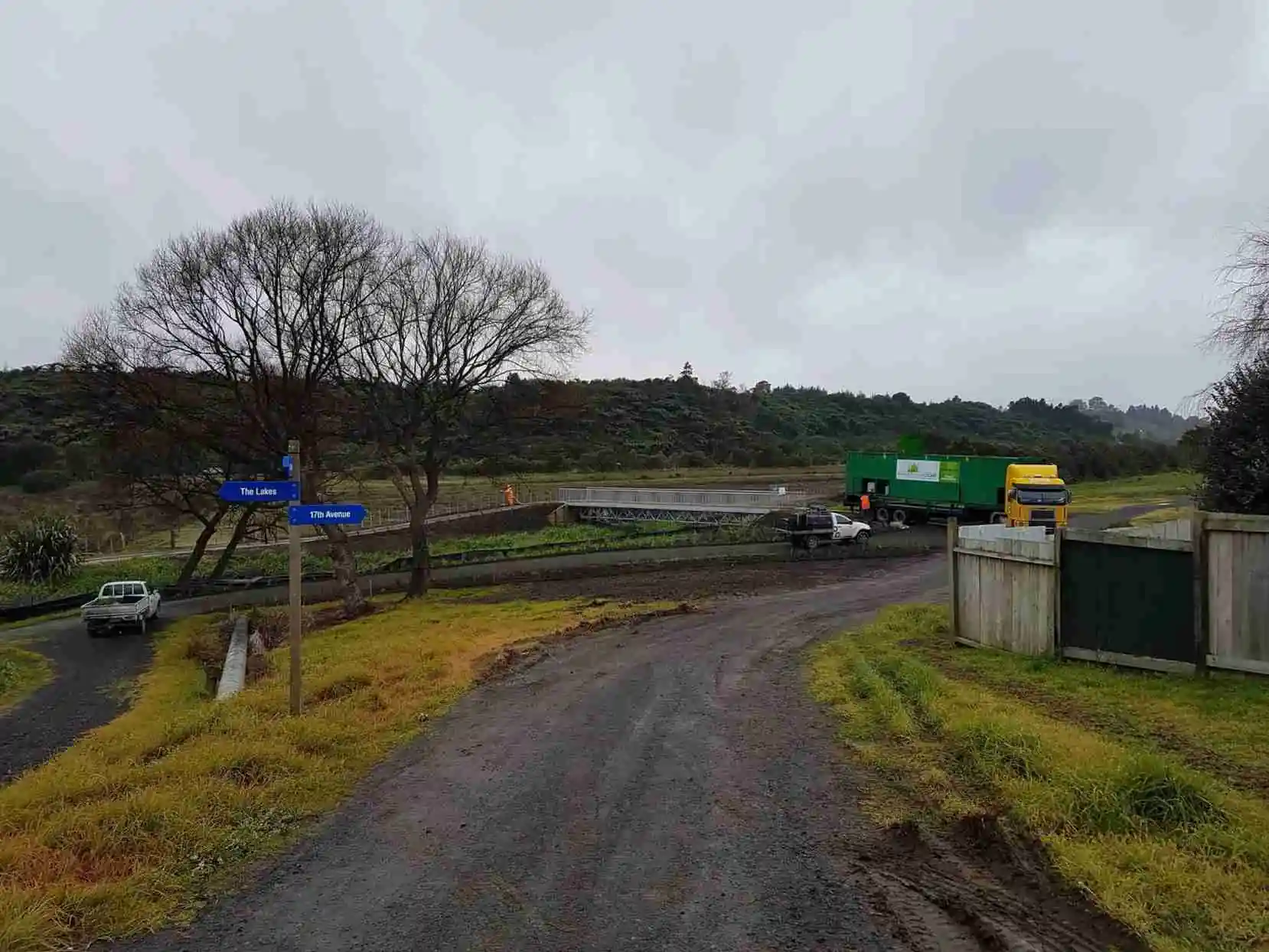
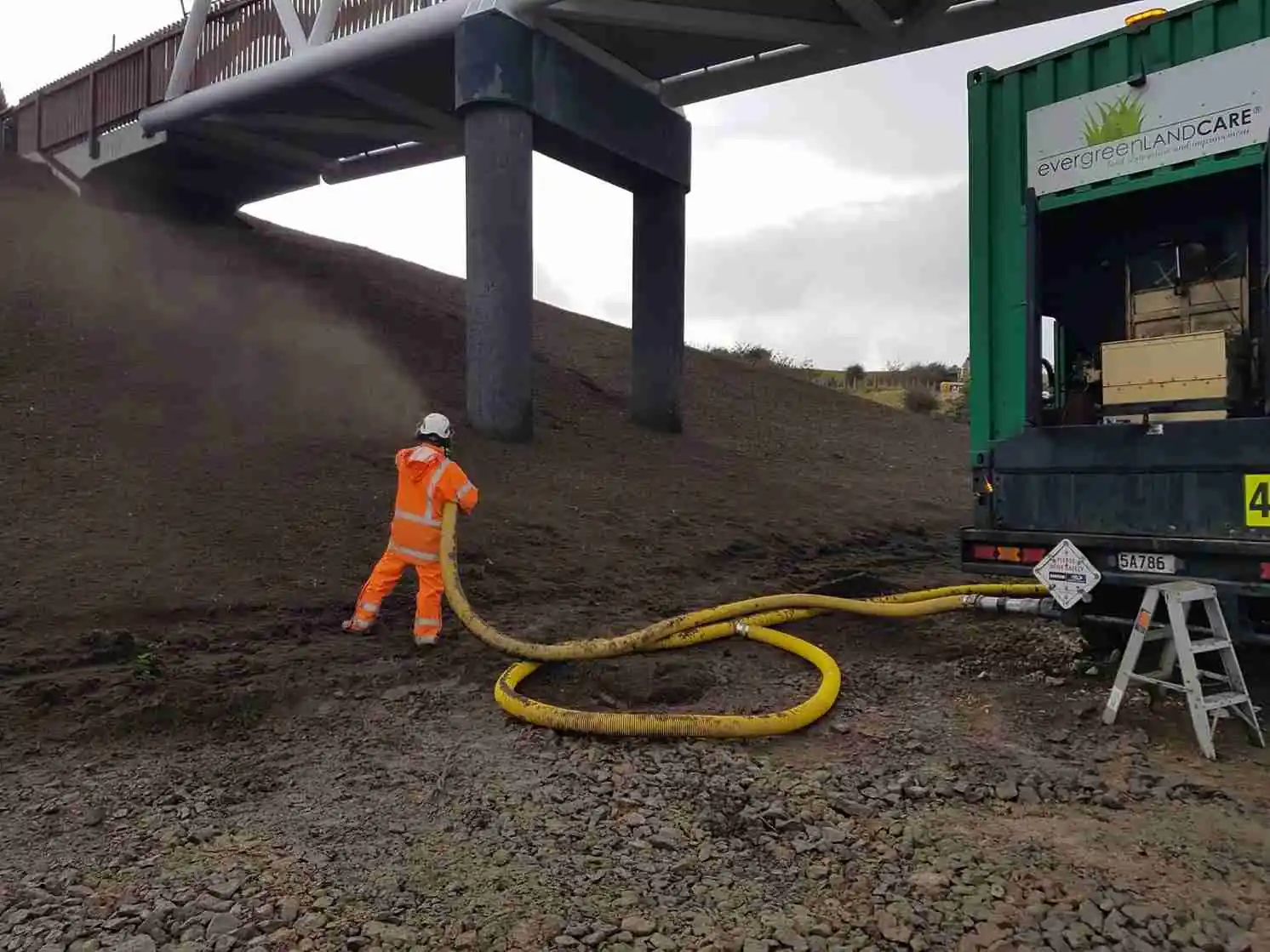
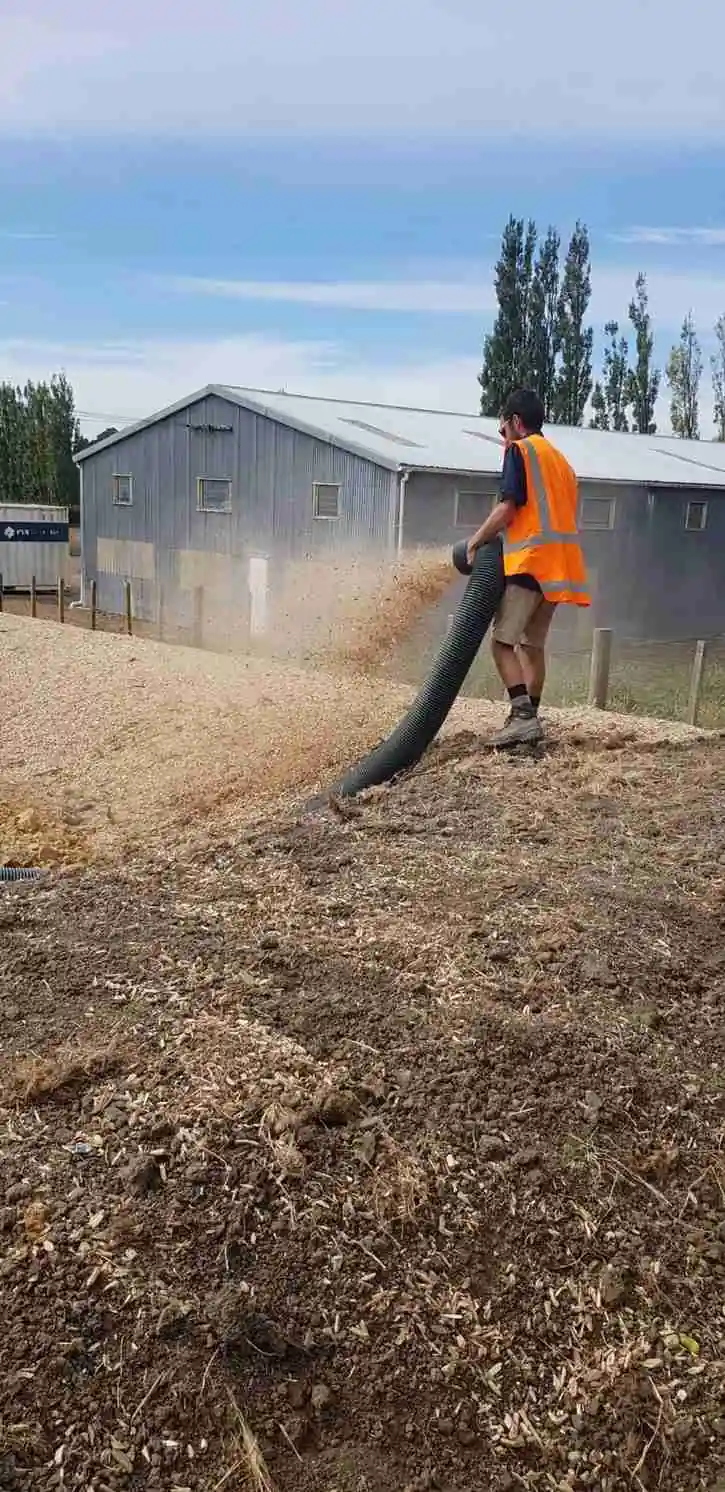
Where a loader cannot get to a planted area, mulch can be blown in through a hose — reaching steep banks, tight courtyards, back sections, areas behind barriers, and sites where access would otherwise rule mulch out altogether. It also places mulch evenly at a consistent depth, which hand spreading over a large area rarely achieves.

We deliver bark blowing through established subcontractors, specified and managed as part of the wider works, so it arrives as one programme and one point of responsibility rather than as a separate trade for you to coordinate.

Weed Mat Supply and Lay

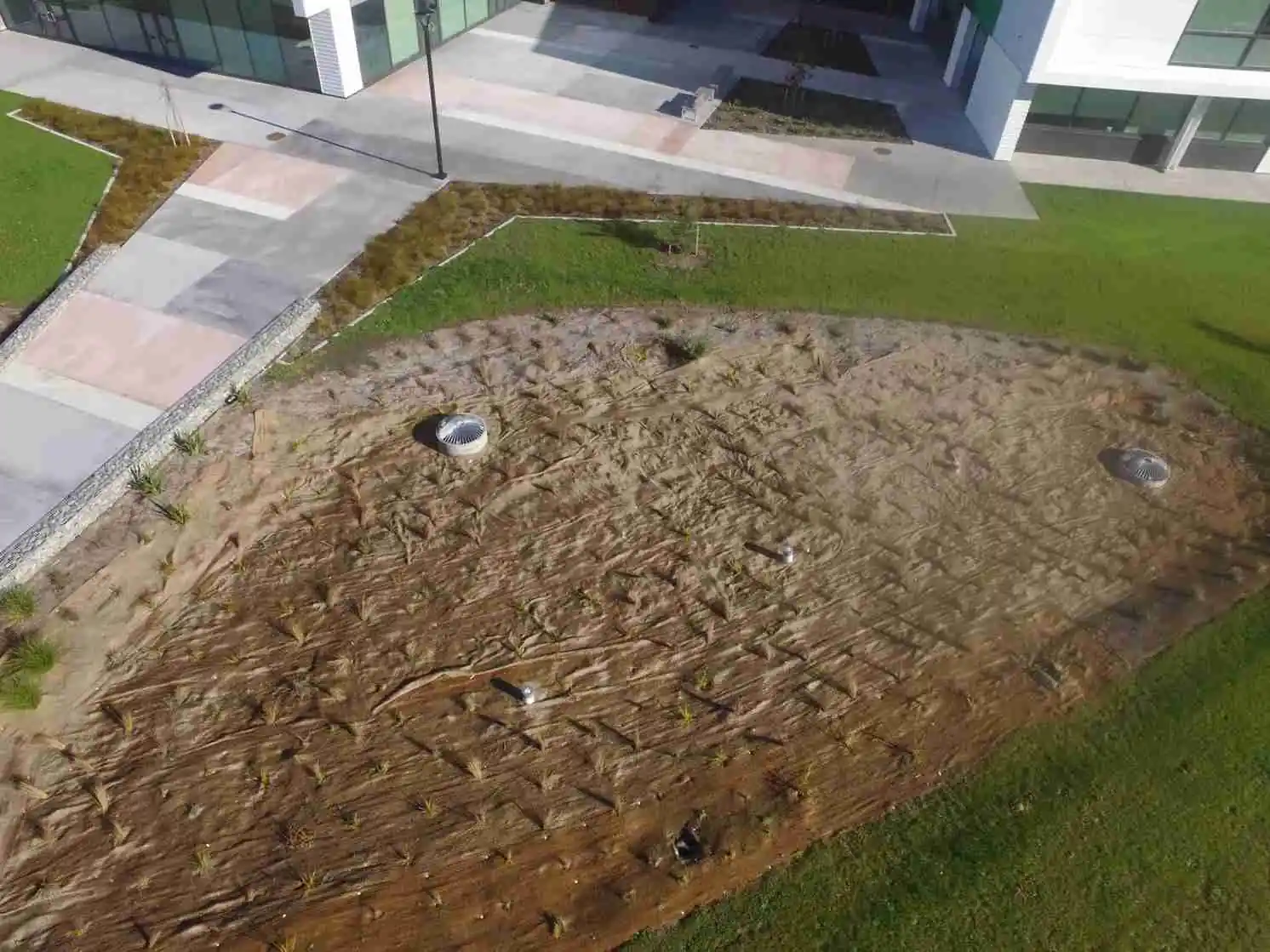
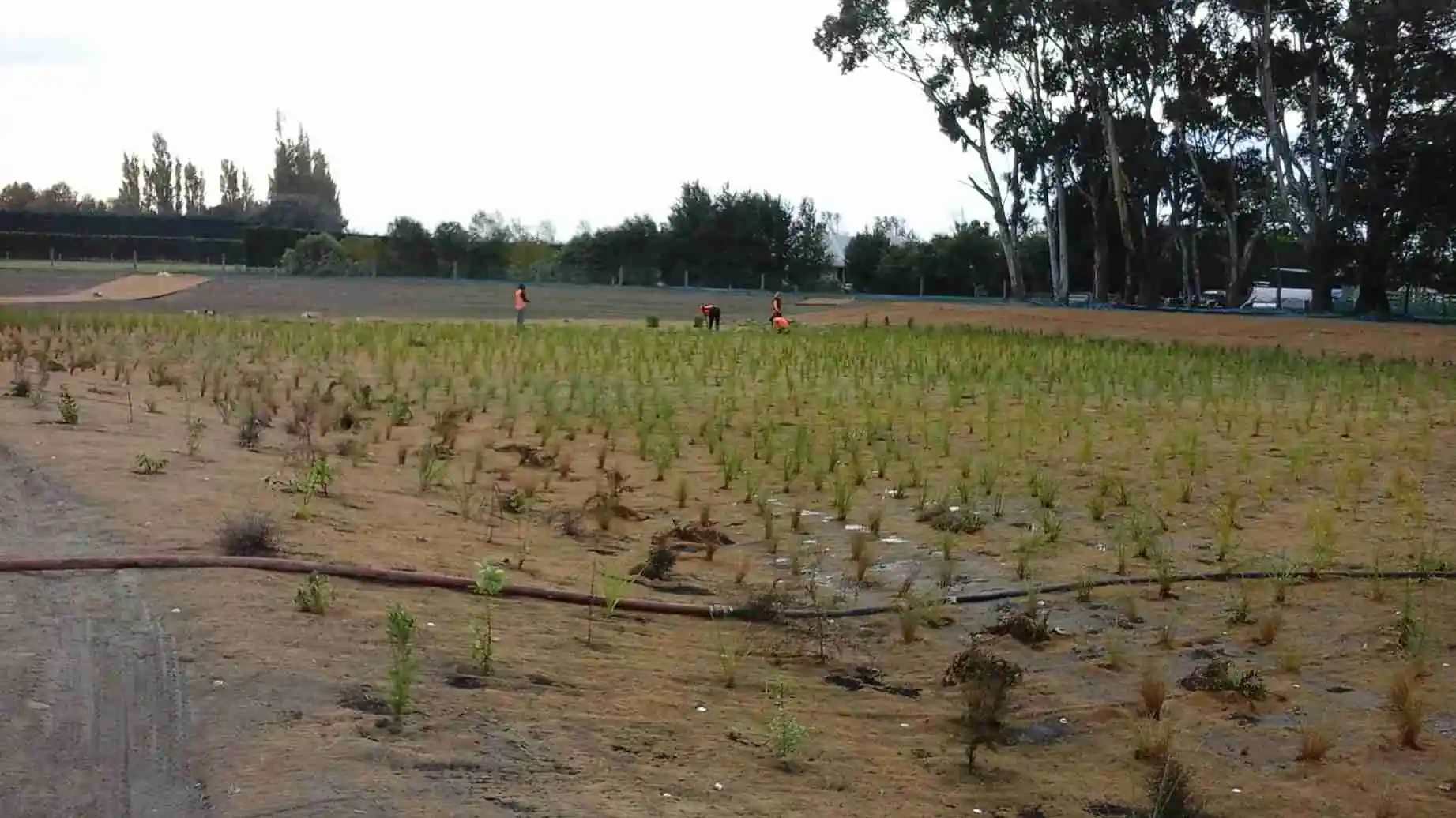
Weed mat creates a physical barrier that stops weed seed germinating, reducing the need for chemical or manual control, and shades the soil to slow evaporation.

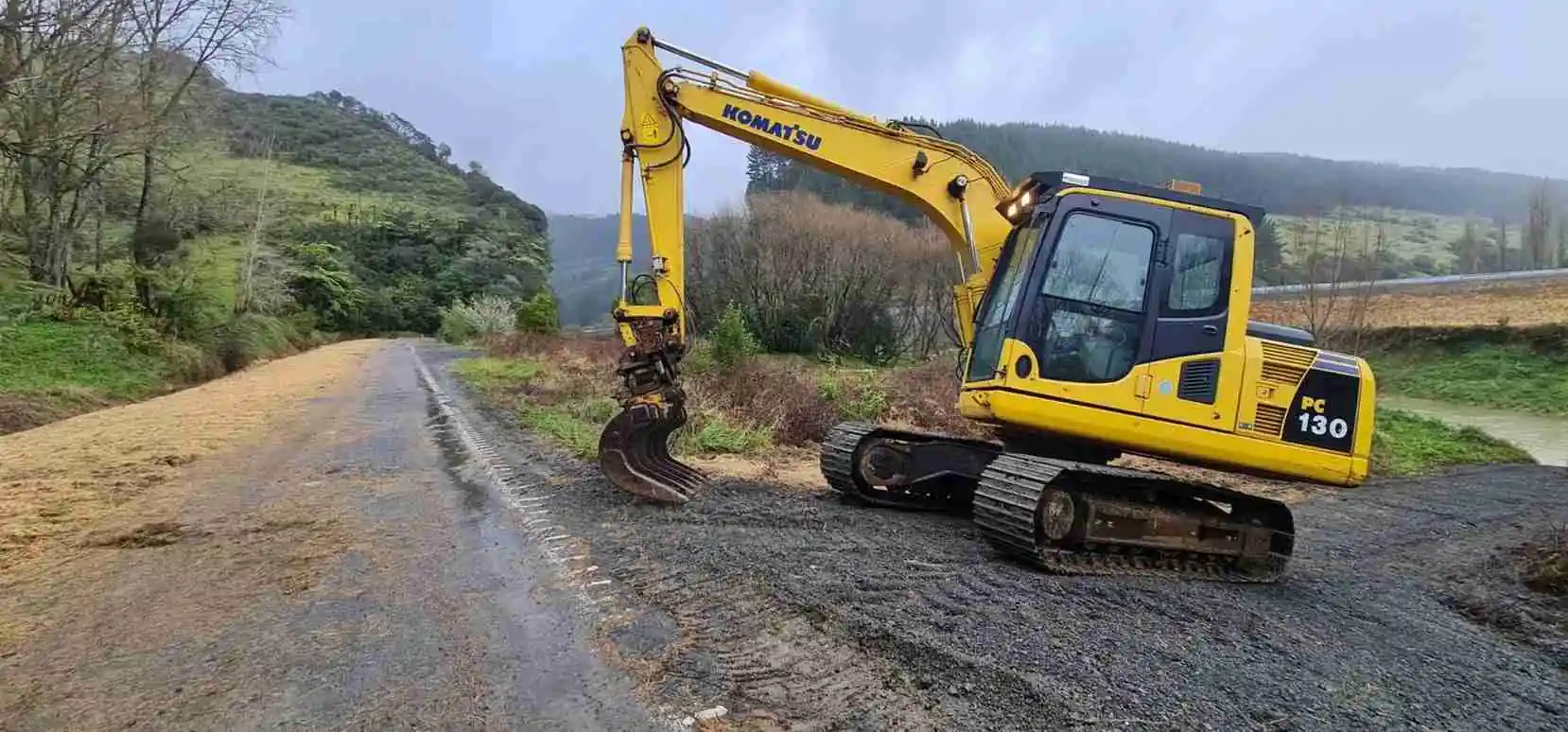
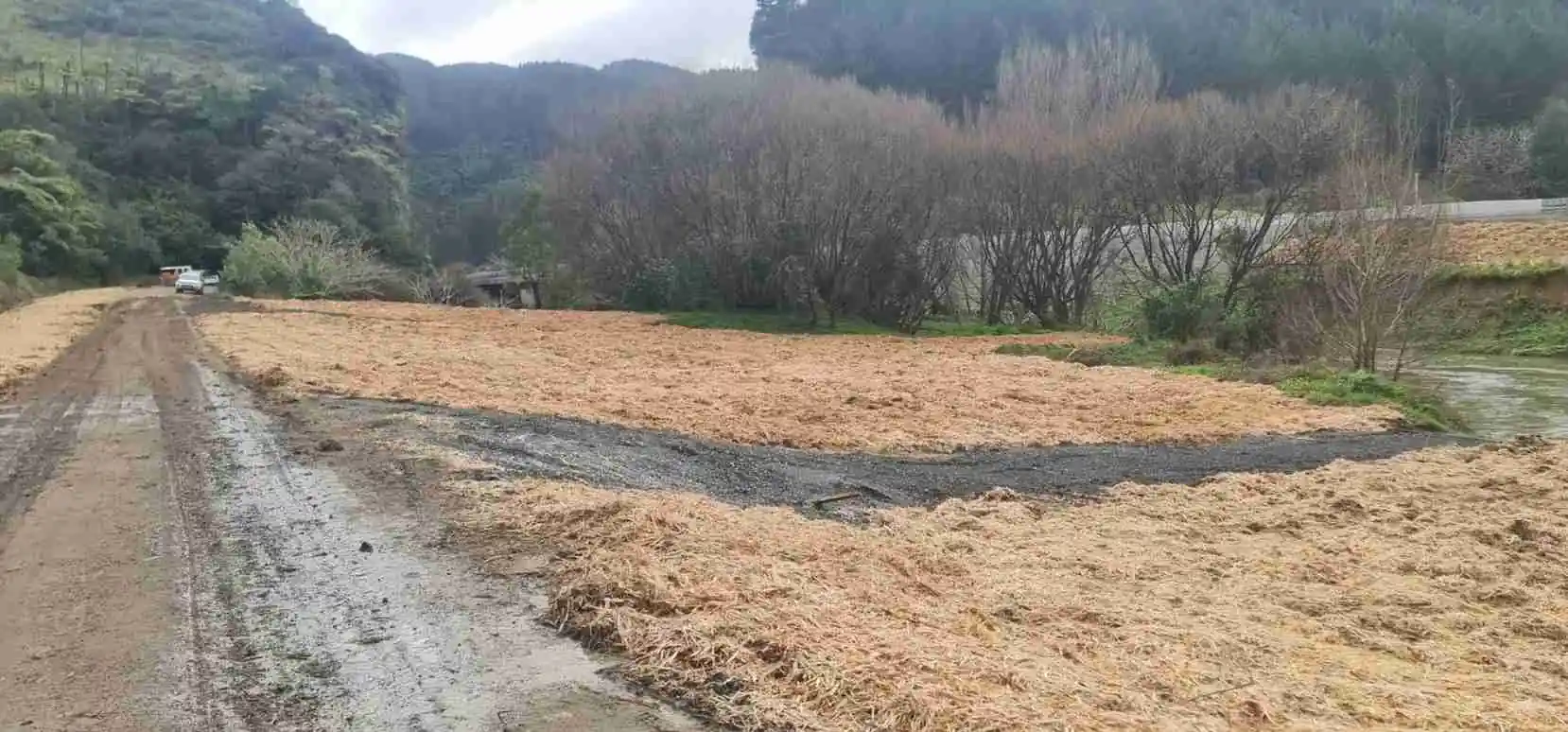
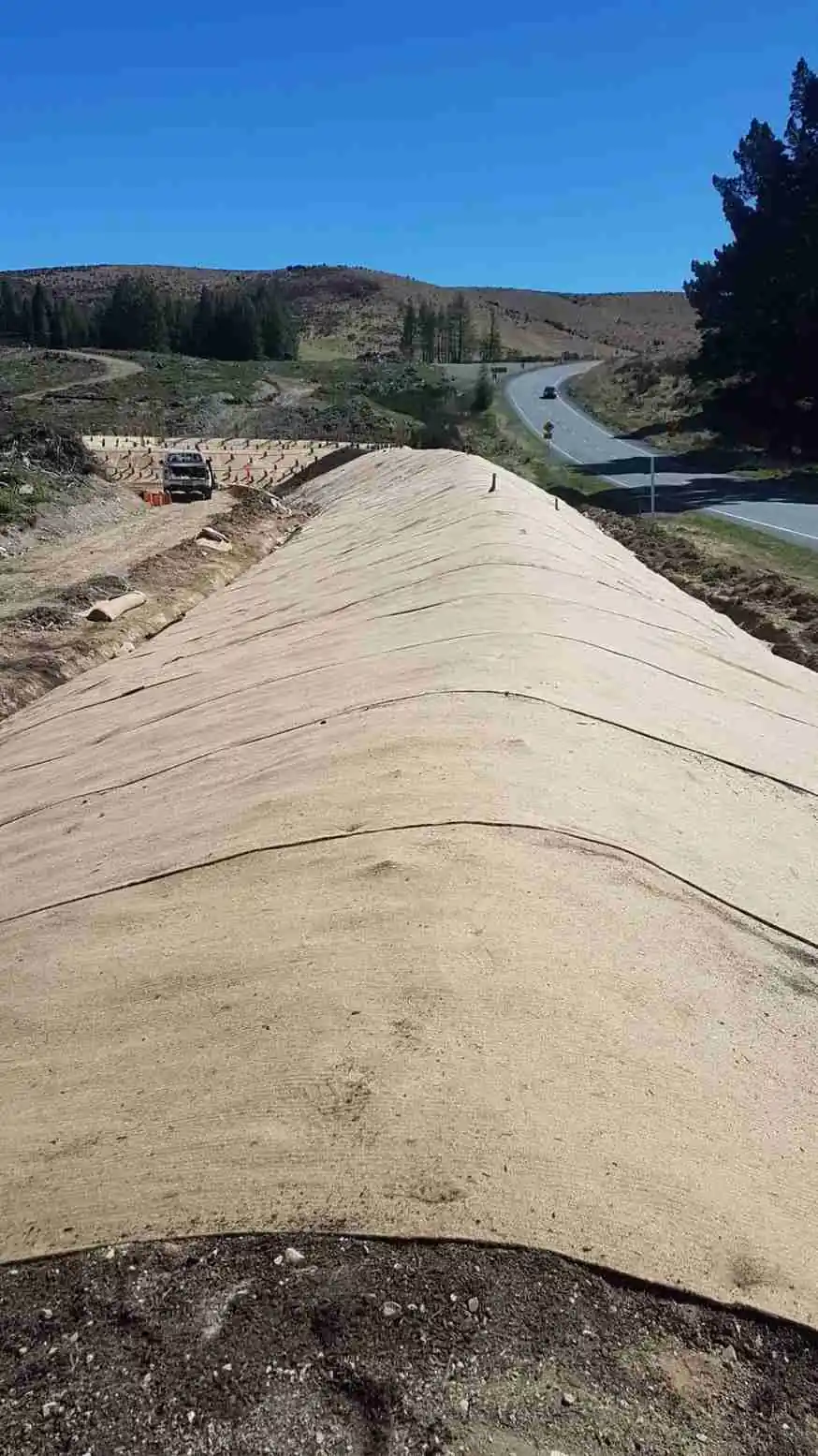
It also has a second use that has nothing to do with landscaping. On large earthworks projects, matting is an effective temporary erosion control measure — protecting uncompleted areas through heavy rain events and preventing washouts and slips while a site waits for permanent stabilisation. Installed correctly, with the right anchor trench, overlaps and pinning density for the slope, it holds ground that would otherwise move.

Our crews are trained in both applications.

Which one your site needs

Where plants will establish and the area is accessible, natural mulch generally outperforms matting — it suppresses weeds, holds water, and adds organic matter and nutrient to the soil as it breaks down, which matting cannot do.

Matting earns its place where mulch will not stay put, where a barrier has to last longer than a mulch layer would, or where the job is temporary erosion control rather than landscape finish.

On many projects the answer is both, in different places. We will tell you which is which.

Contact Us