
civil-commercial-landscaping, erosion-control, rehabilitation

Hydroseeding

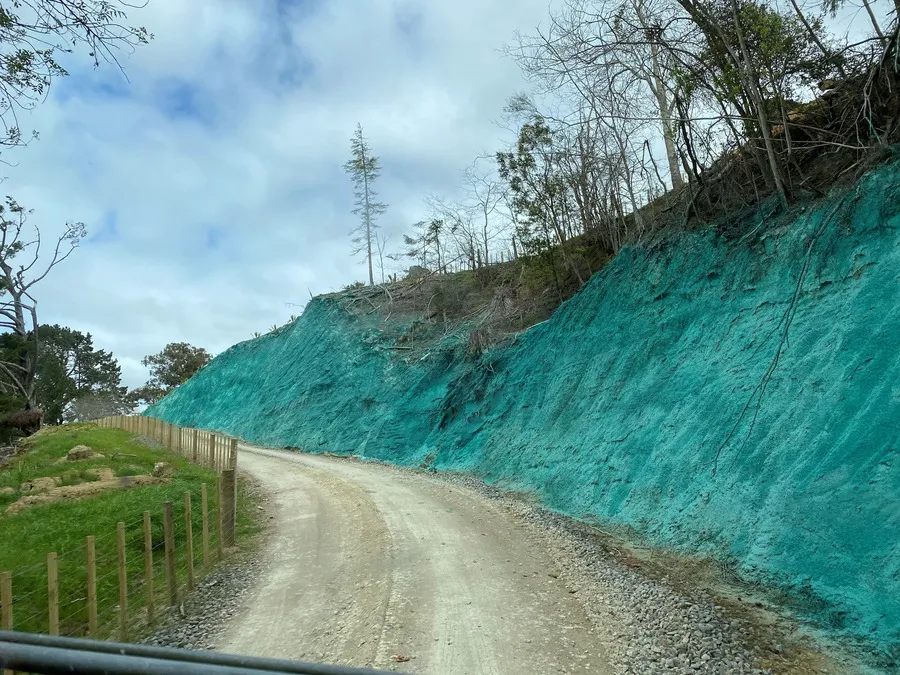
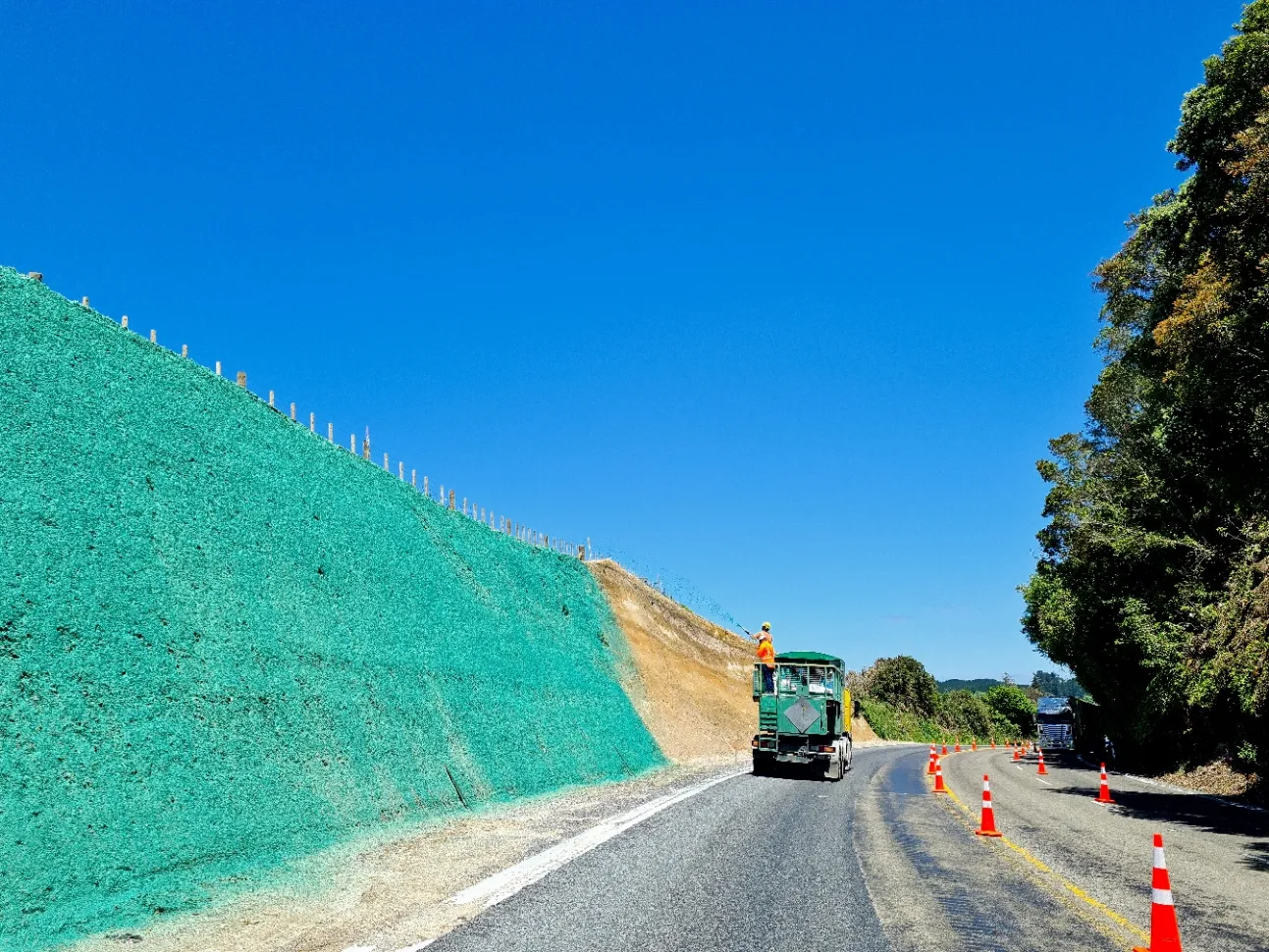
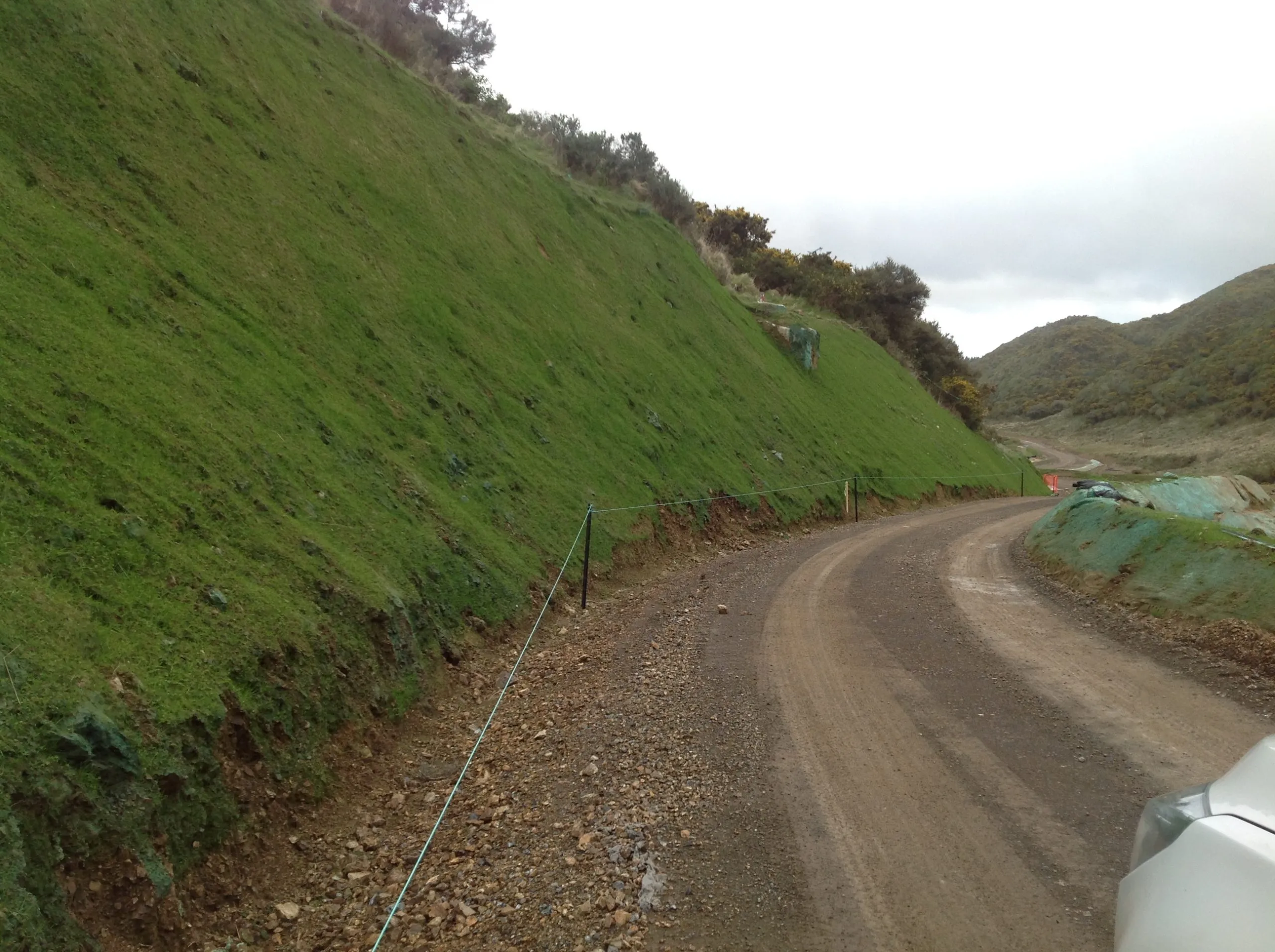
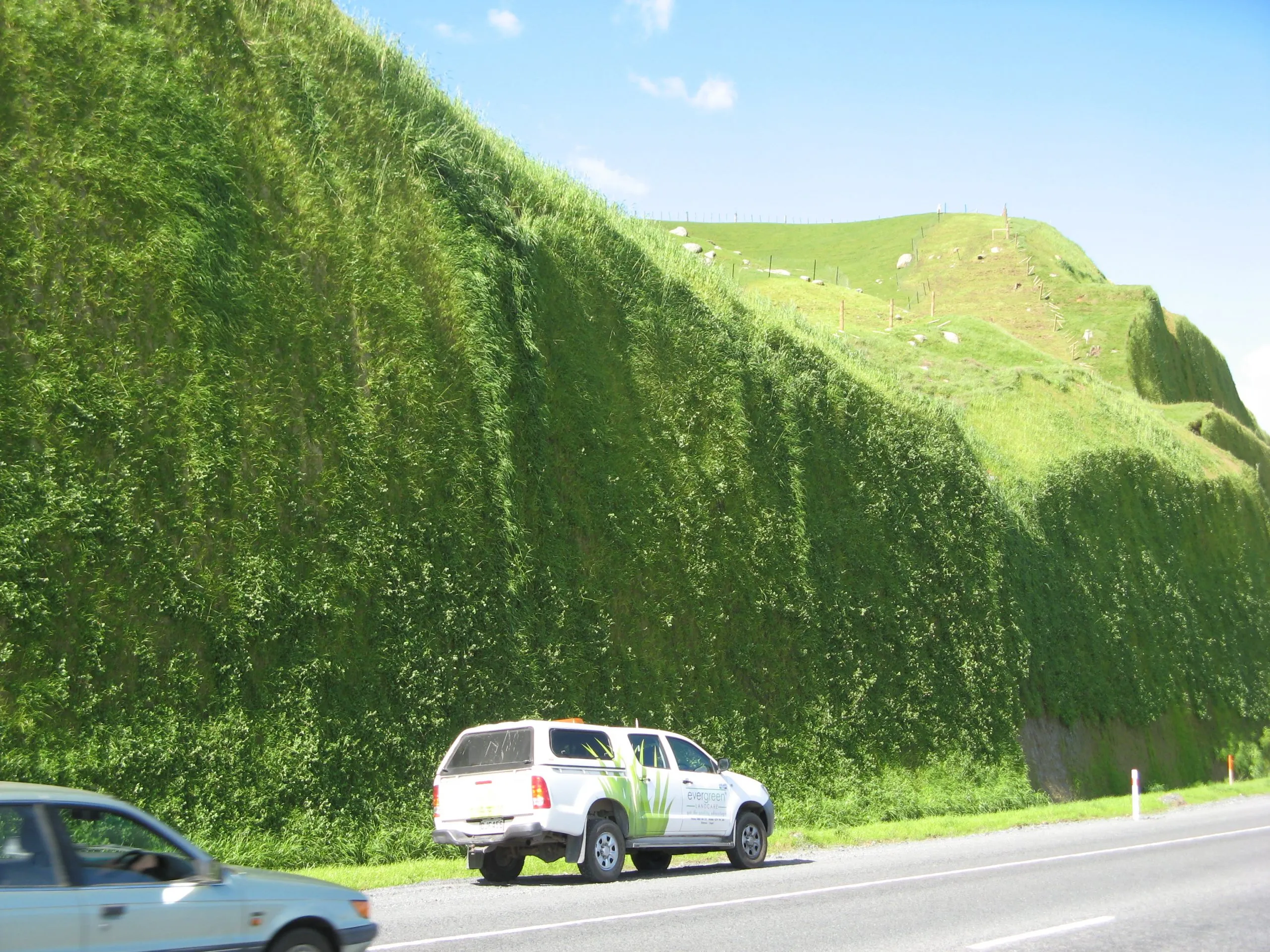
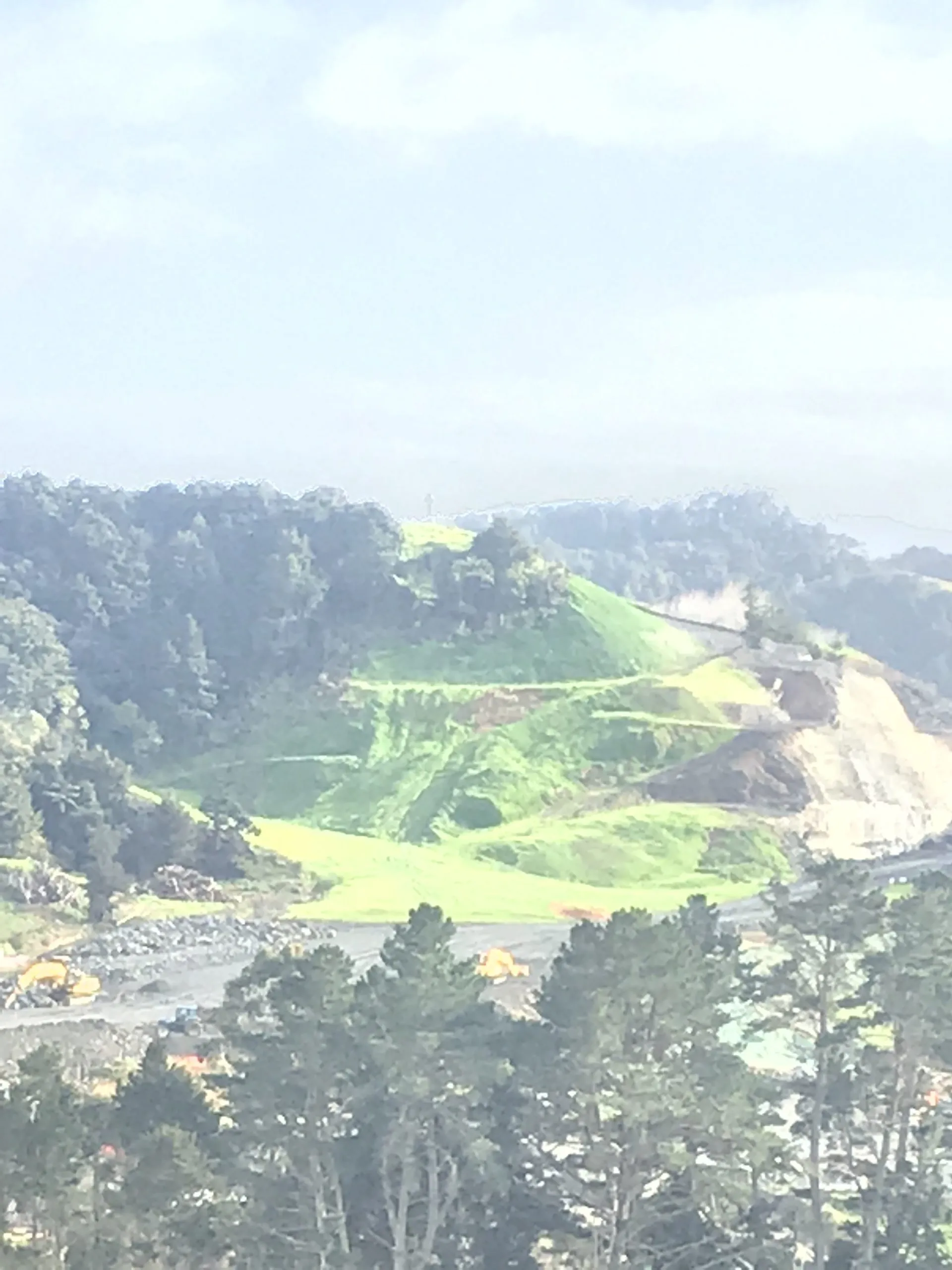
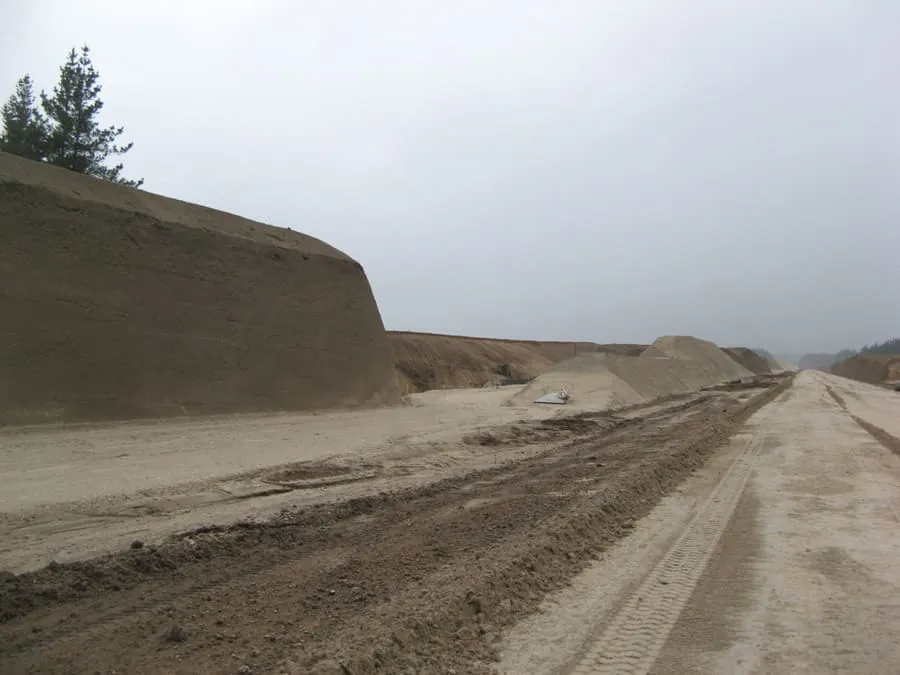
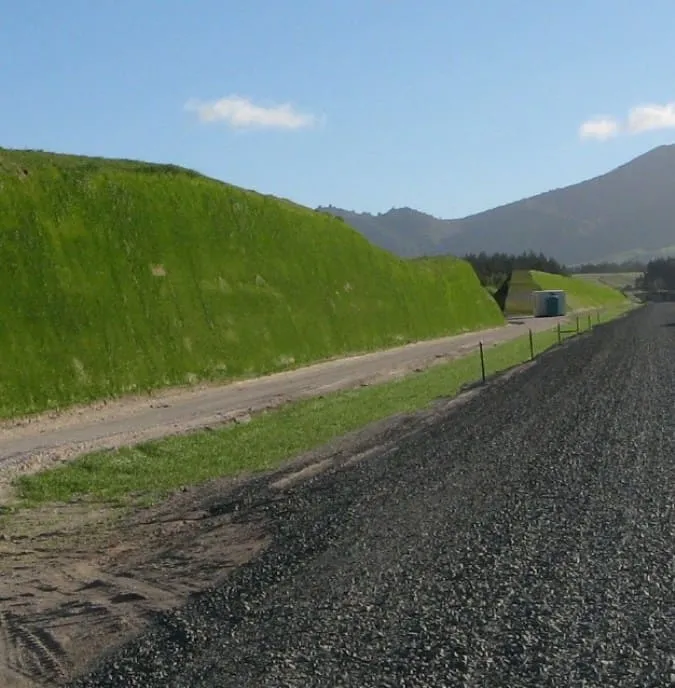
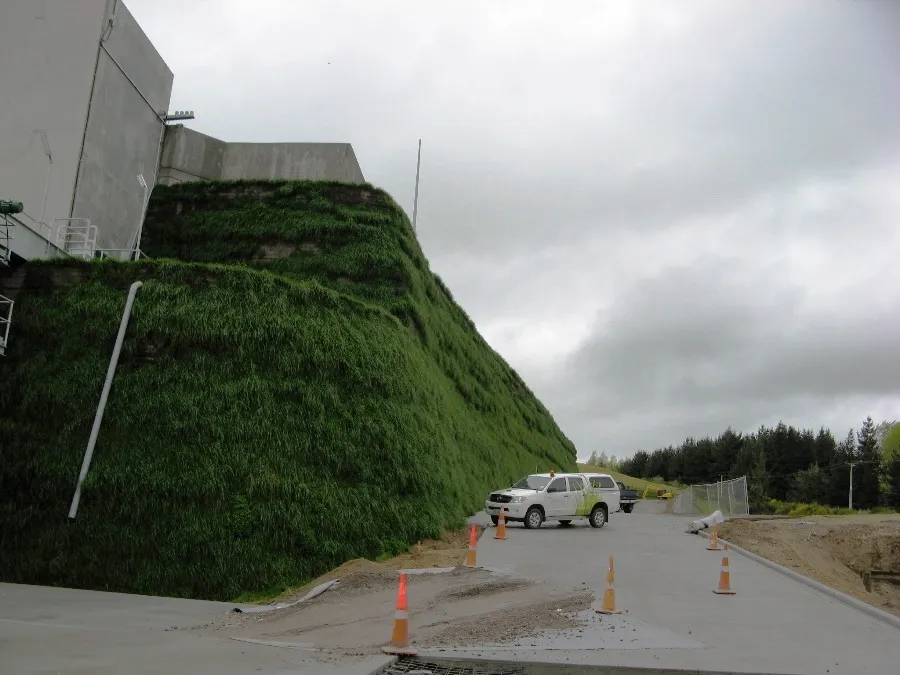
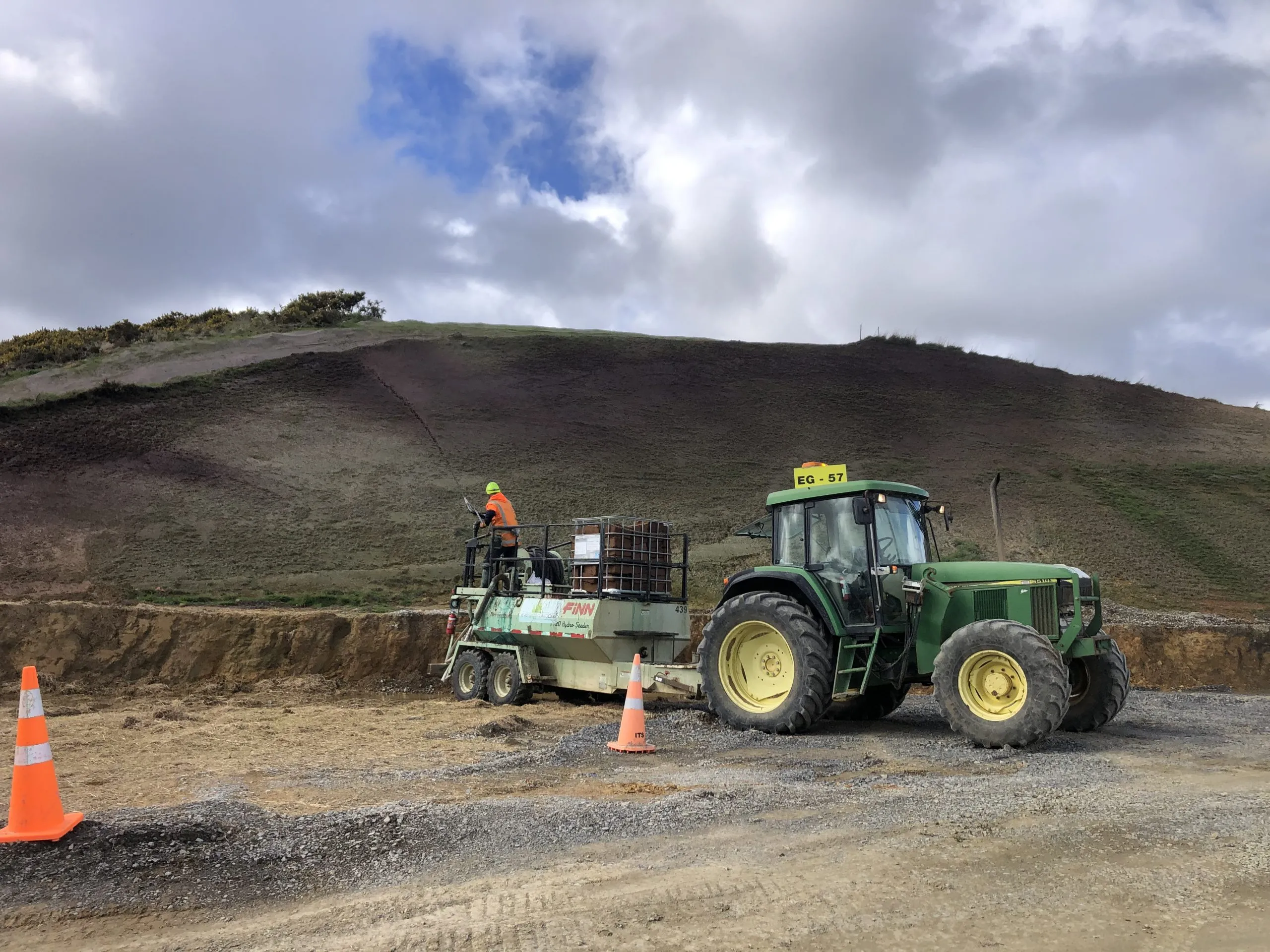
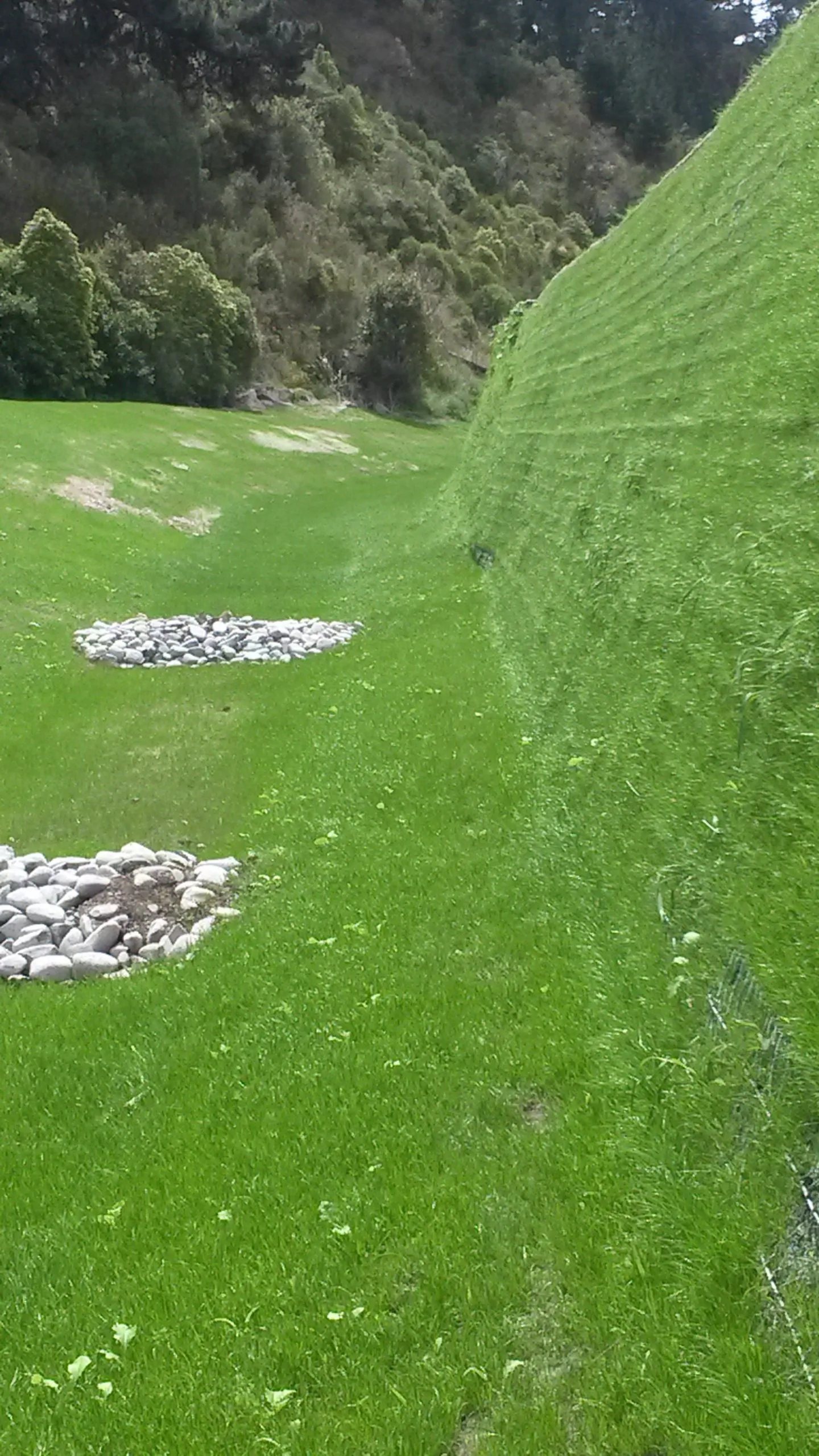
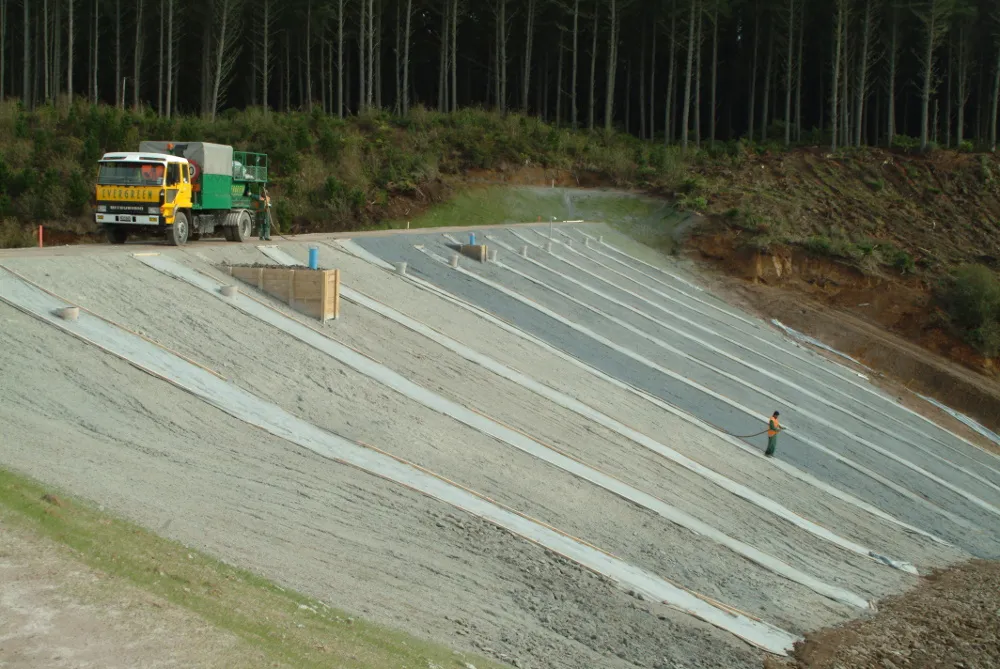
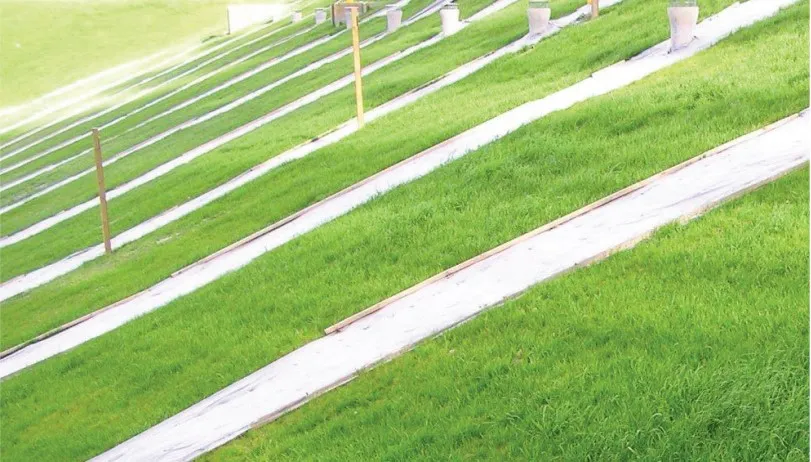
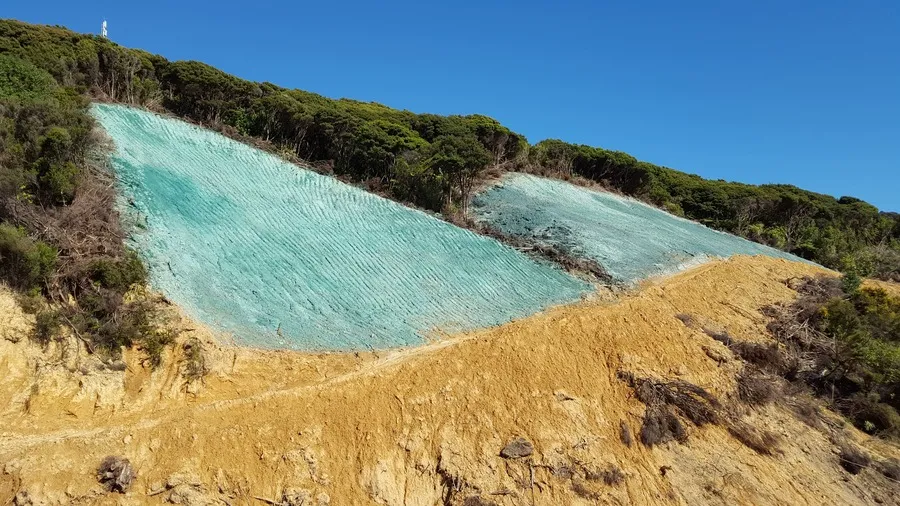
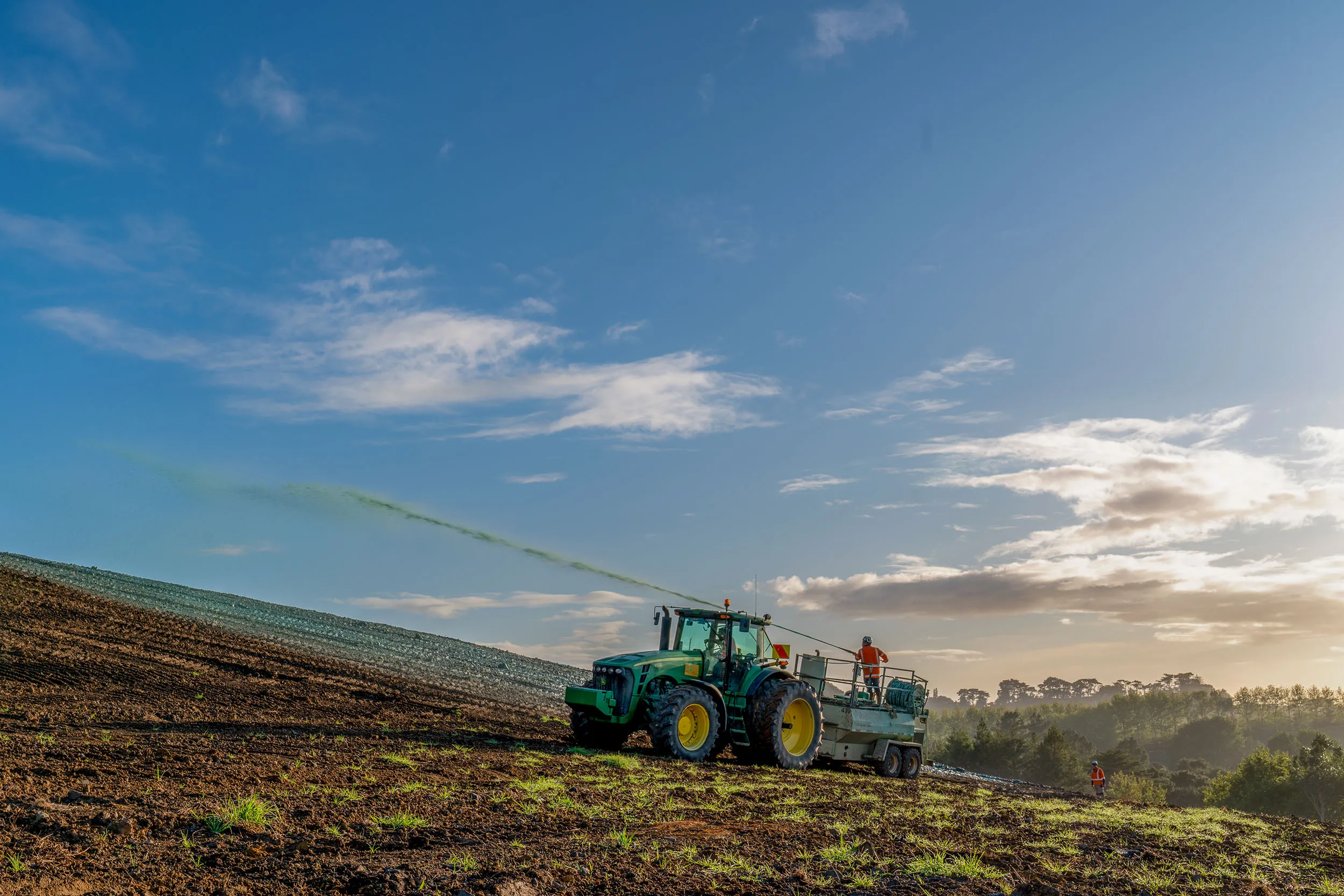
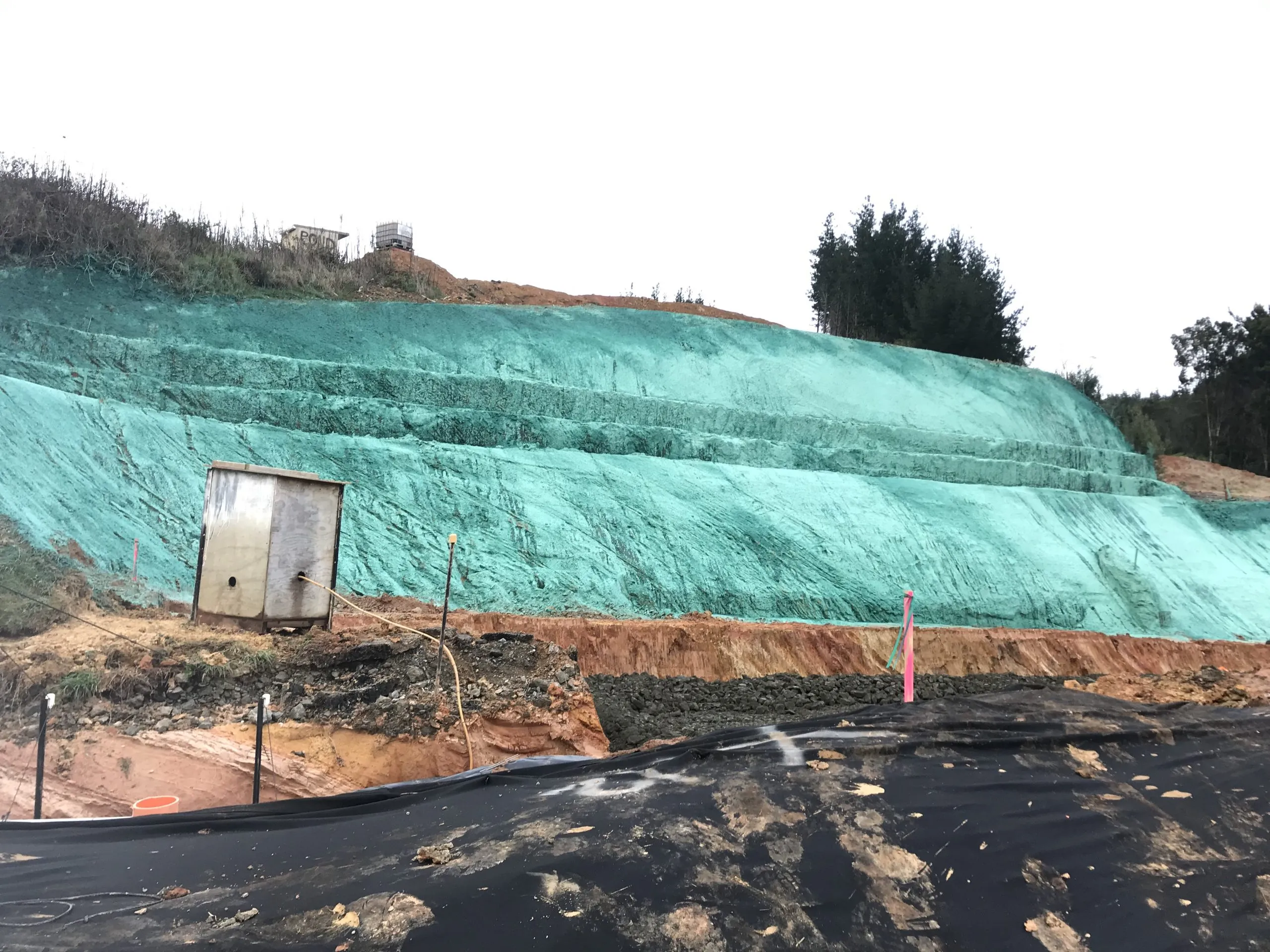
Evergreen Landcare stabilises land. Hydroseeding is how we do most of it — on state highway batters, subdivisions, quarries, mines, landfills, forestry roads, slip repairs and wind farms, from Northland to Southland. We have been doing it for over 40 years, as the company that introduced hydraulic application of grass mulches to New Zealand. Eight Hydroseeding trucks plus trailer units, working nationwide, means we are usually close to your site, and mobilising in days rather than weeks. Our own trucks and our own crews — Hydroseeding is not work we subcontract. What follows is a range, not a product list. Standard Hydroseed through to bonded fibre matrix, with soil media, surface binders and stabilising mulch alongside — and the service is knowing which one a site actually needs. A 1H:1V papa batter going into winter and a subdivision berm in October are different problems, and we price and specify them differently.

Evergreen Landcare has successfully used Hydroseeding as a method of re-vegetation on the following types of sites for the past 40 years:

Projects such as:

  • Transmission Gully, Wellington
  • Puhoi to Warkworth, Northland
  • Waikato Expressways
  • Christchurch Southern Motorway
  • Major Land Development projects
  • New Roads and Highways
  • Mines, Landfills and Quarries
  • Forestry roads and sites
  • Slips and steep slopes
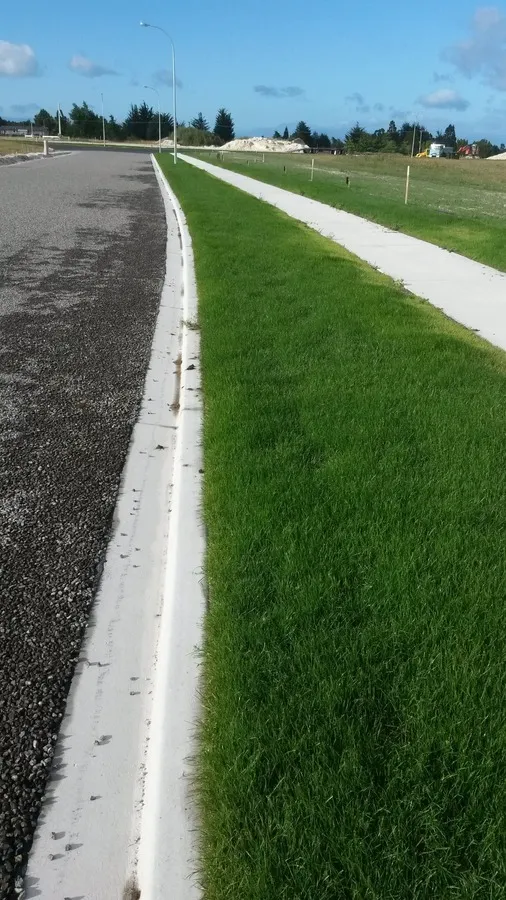
  • Subdivisions
  • Residential Lawns.

HydroSeeding

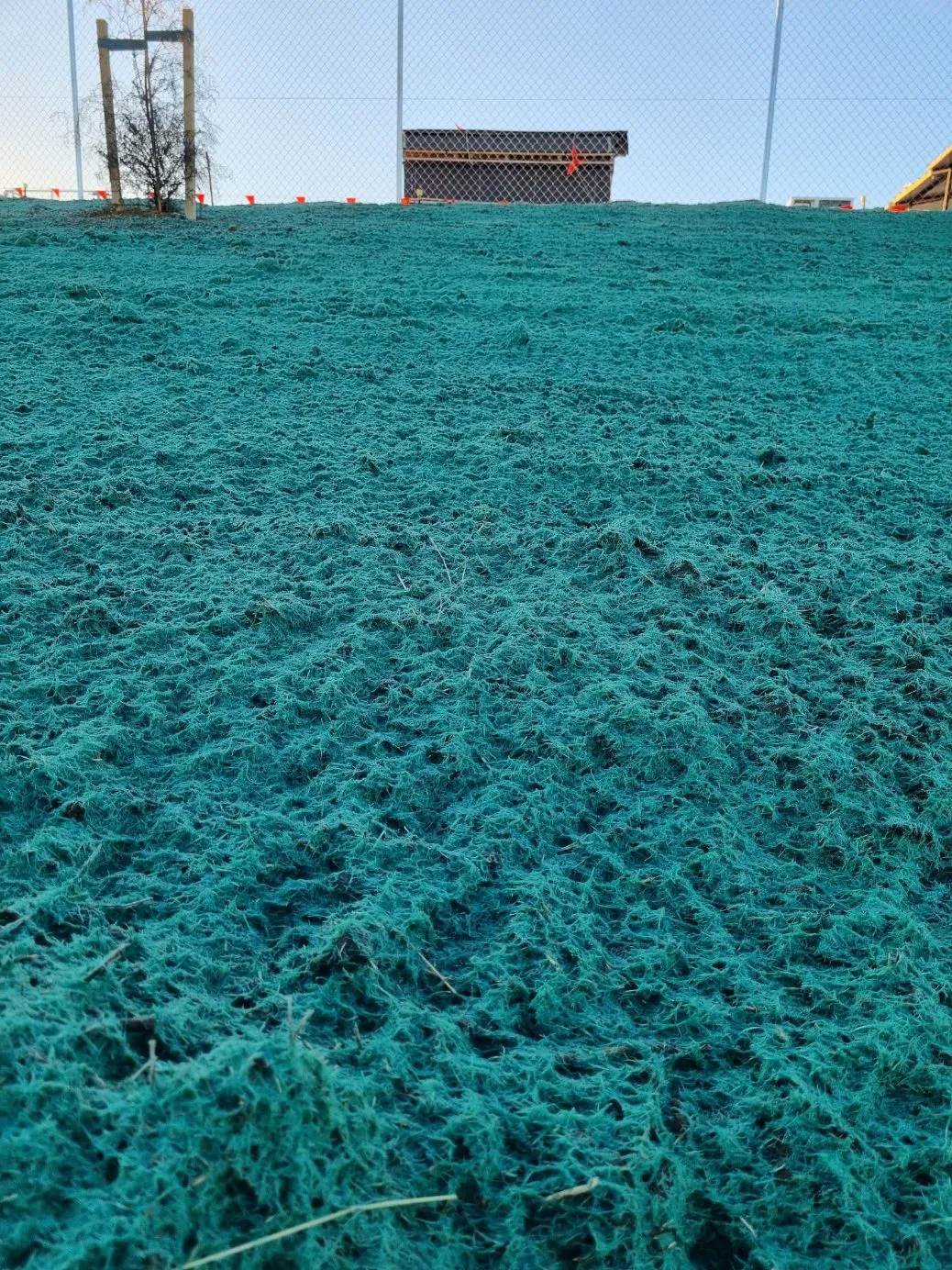
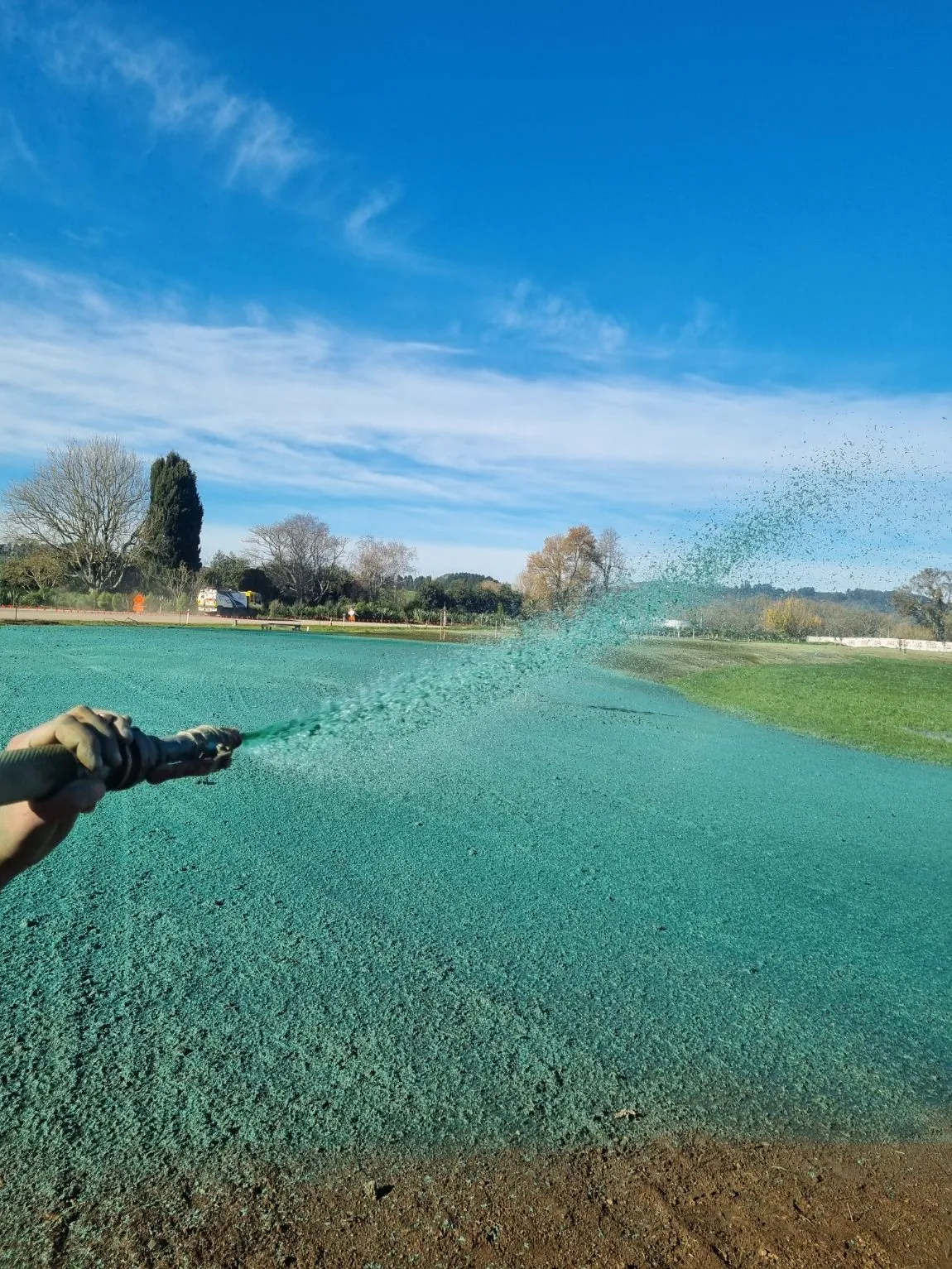
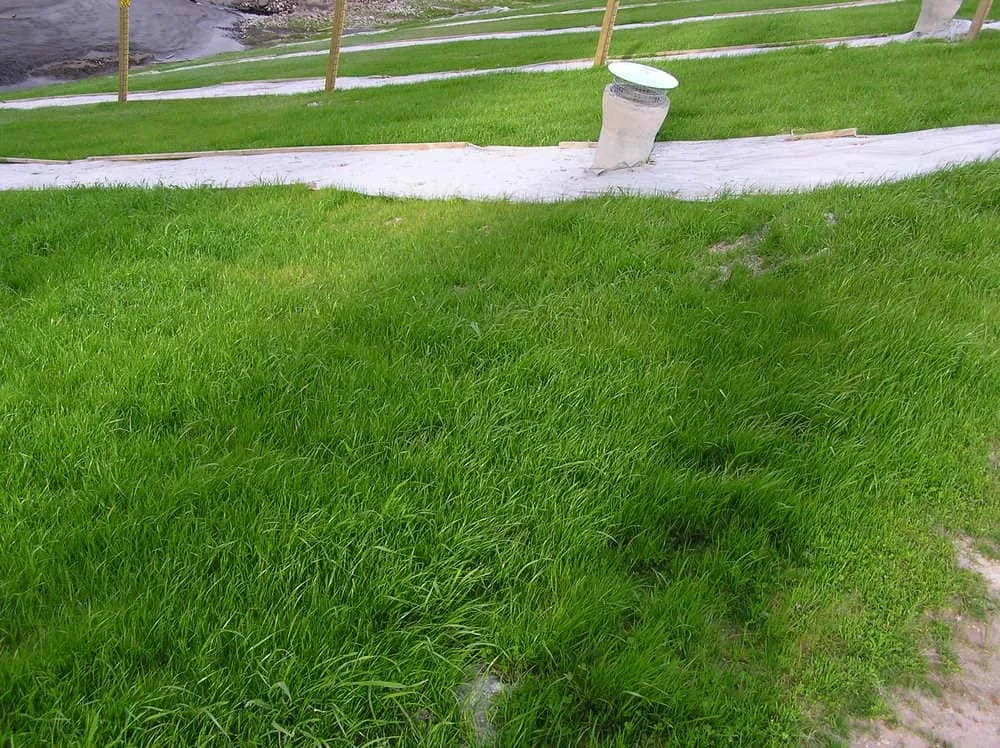
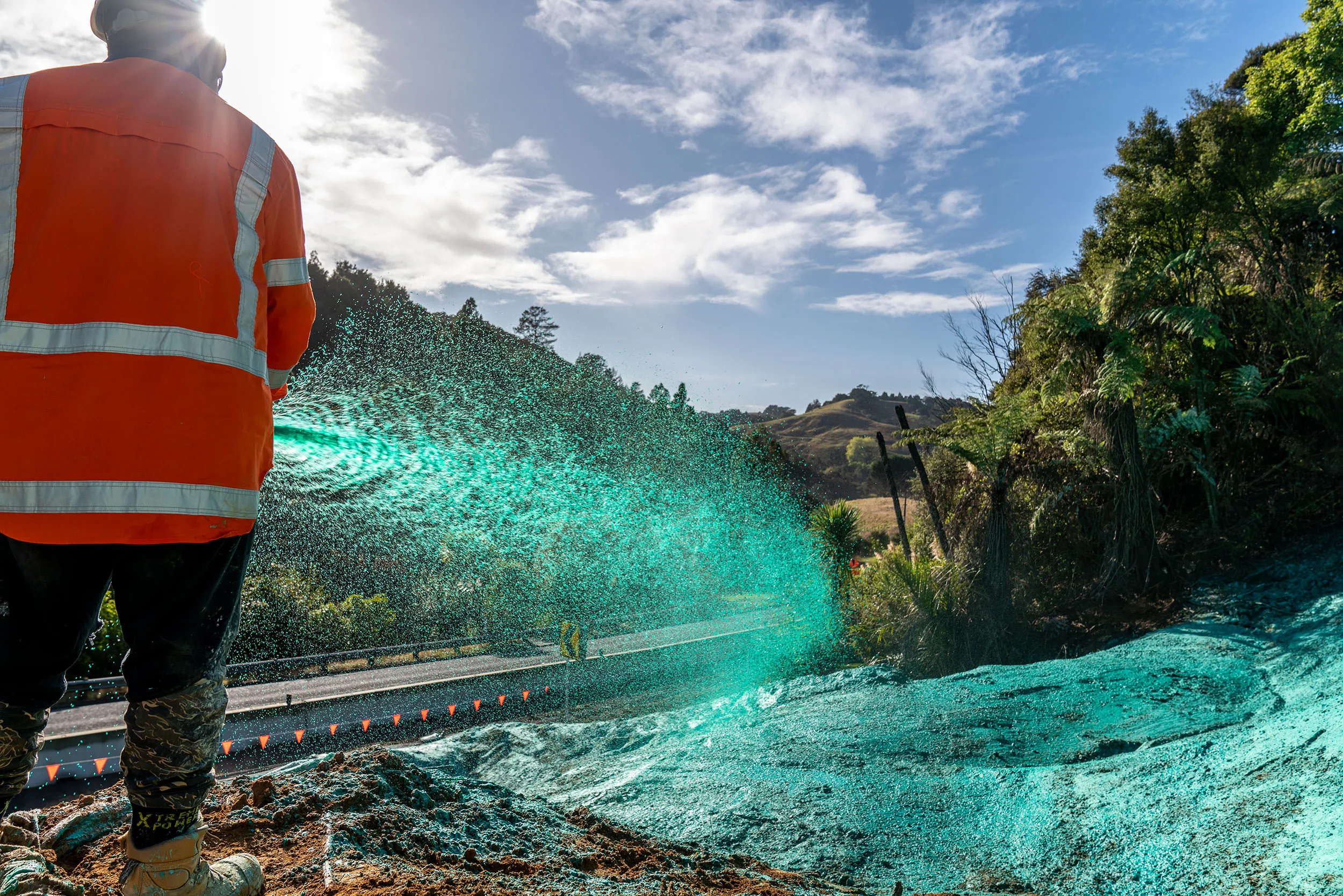
Hydroseeding is the hydraulic application of a slurry blended specifically for each site. The slurry carries mulch fibre, grass seed, fertiliser and a binder, sprayed onto the soil surface where it dries to a protective blanket. That blanket holds the seed in place until it germinates, shields the surface from wind and rain, and slows moisture loss from the soil beneath it.

We do not apply one pre-mixed product. Every application is specified from four components chosen independently against the slope, the soil, the season and the consent conditions of the site in front of us:

  • Mulch matrix — recycled paper, wood fibre, or a bonded fibre matrix, depending on how much protection the face needs and how long it needs to last
  • Seed — blended to the site, using certified cultivars where the site and the specification call for them
  • Nutrition — matched to the substrate, with soil testing where the ground warrants it
  • Binder — selected for the slope and the weather window

Application rates are set by the slope and the exposure of the face — a steeper batter carries more product than a gentle grade, and a site going into winter carries more than the same site in spring. We specify the rate against the conditions rather than applying one loading everywhere. A 1H:1V papa batter going into winter is a different specification from a subdivision berm in October, and it should be.

When a site is actually stabilised

Under Auckland Council GD05, a surface is not stabilised until 80% vegetative cover has been established across the entire revegetated area, and GD05 is explicit that Hydroseeding is not instant stabilisation. Sediment controls stay in until that threshold is met — generally four to eight weeks, and longer through winter.

What varies, and varies a great deal, is how much erosion protection the face has on day one while it waits, and how quickly it reaches 80%. That is the whole decision, and it is what we specify against. We will tell you which rung of the range your site needs and why.

We have the fleet and the crews for any size of project, across every terrain type, from a single residential lawn to Transmission Gully.

Benefits

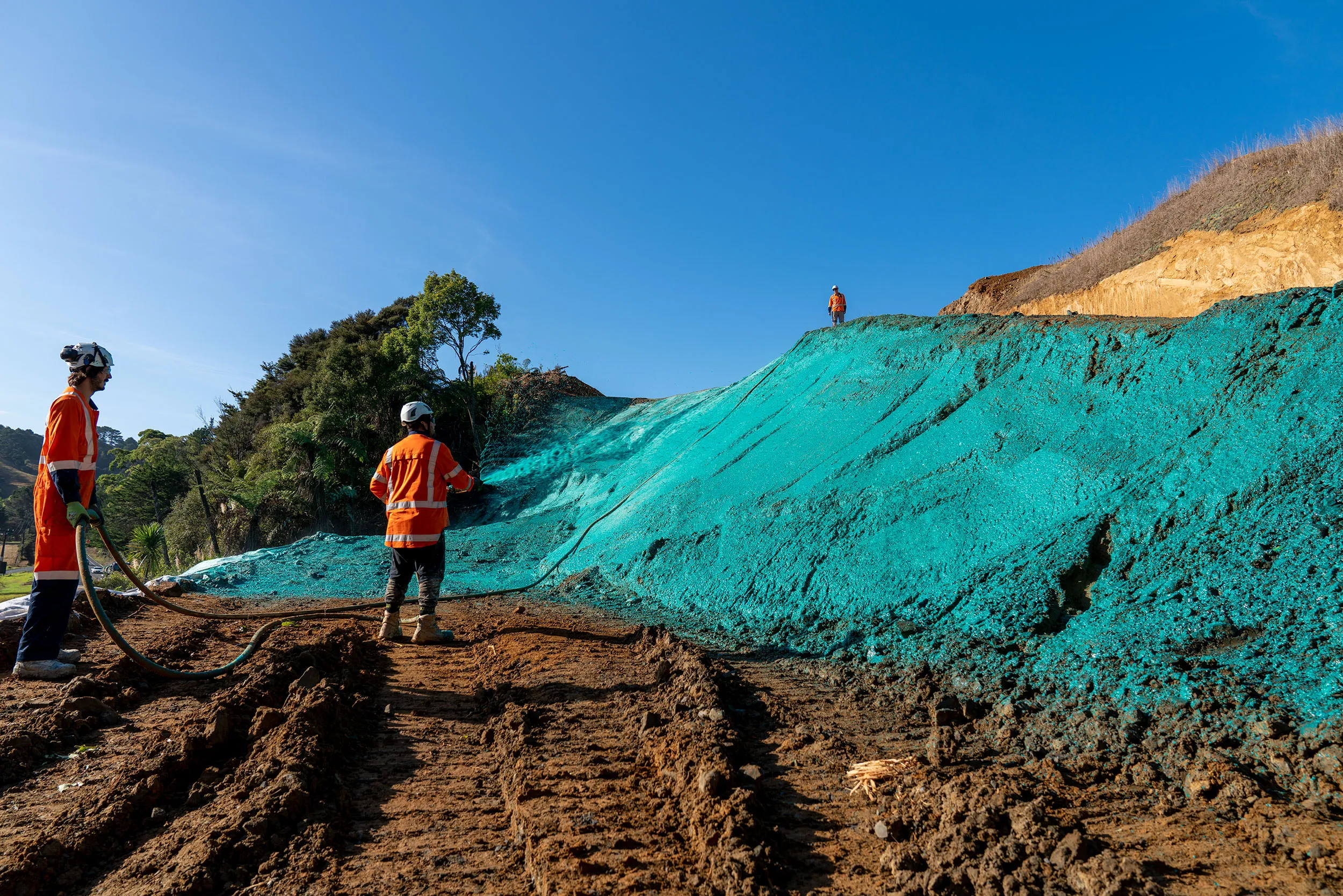
  • Slopes to 1H:1V and steeper, where rolling and pinning a blanket is neither safe nor economic
  • Erosion protection from the day of application, building to full stabilisation as cover establishes
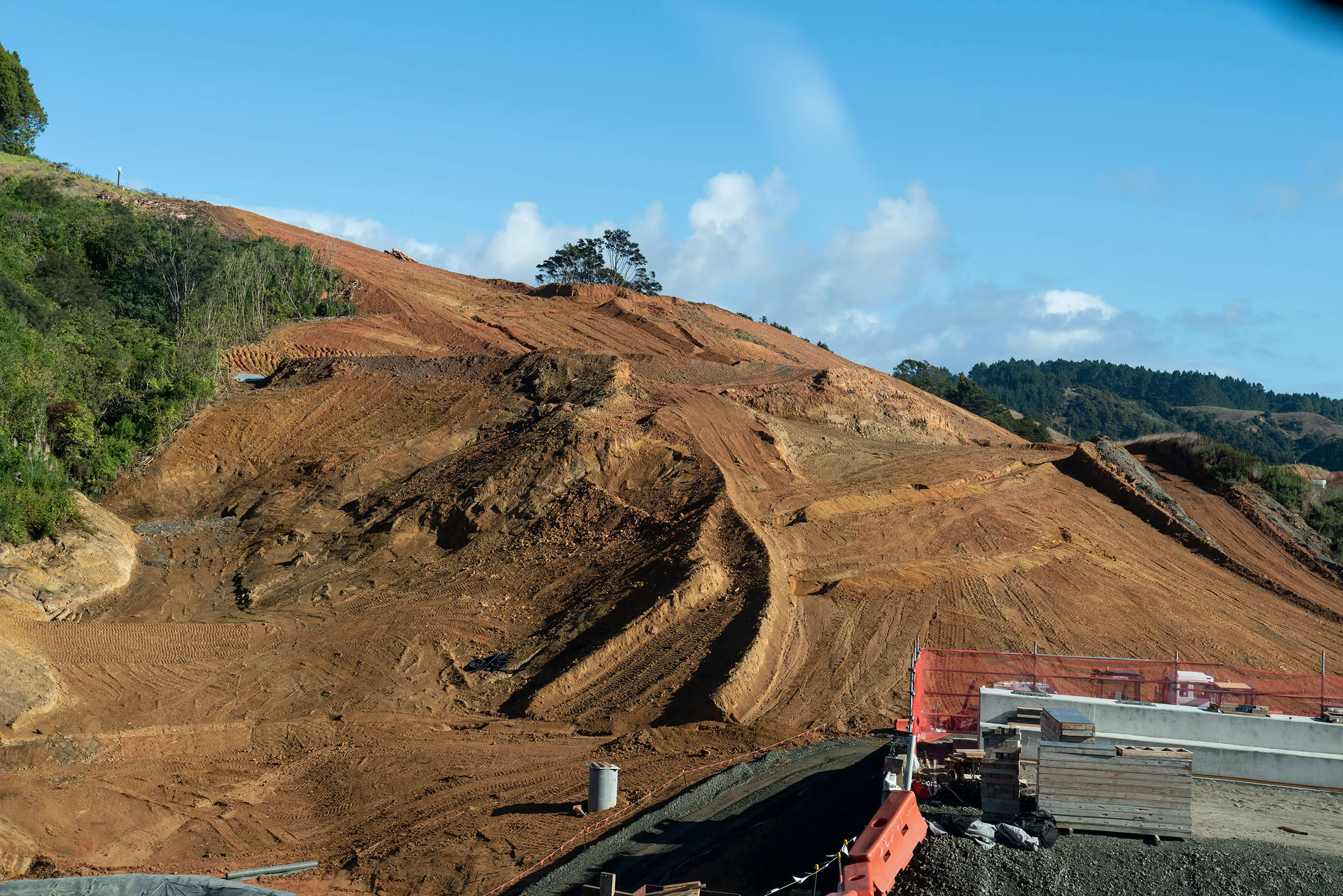
  • Establishes on substrates with little or no topsoil, removing the cost of importing and spreading topsoil
  • Fibrous root systems bind the surface and resist erosion as vegetation takes hold
  • Dust suppression on exposed earthworks
  • Moisture held around the seed through dry spells
  • Tolerant of rough-graded, ripped and cat-tracked surfaces — minimal seedbed preparation
  • Soil surface temperature fluctuations moderated, widening the seeding window
HydroSoil

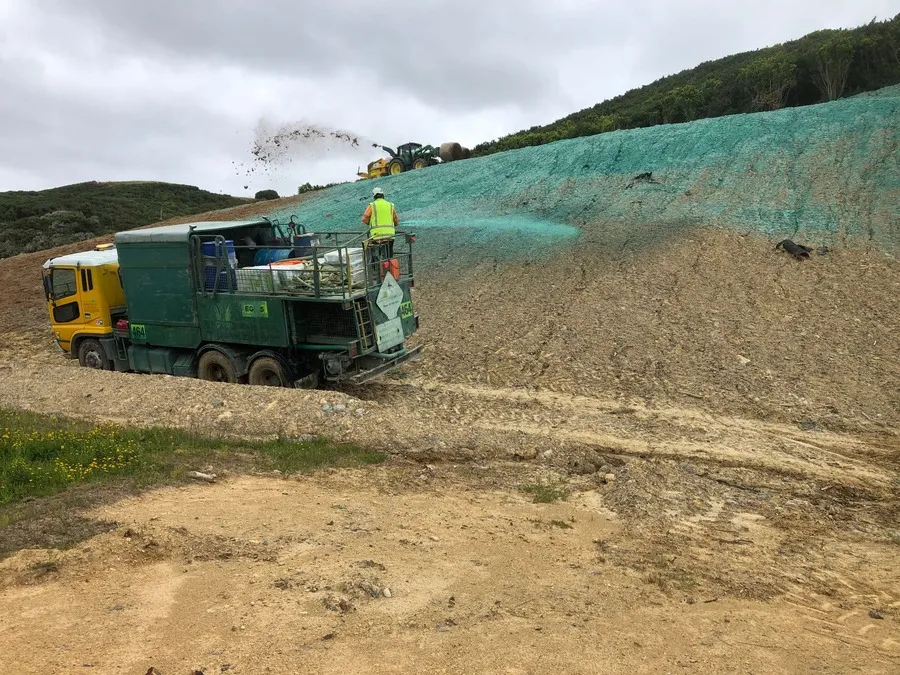
HydroSoil is used where there is no topsoil worth working with — cut batters, rock faces, pumice, spoil, mine and quarry rehabilitation, and degraded ground with almost no organic matter left in it. Instead of importing topsoil and spreading it across a face that may be too steep or too remote to work safely, HydroSoil builds a growing medium in place.


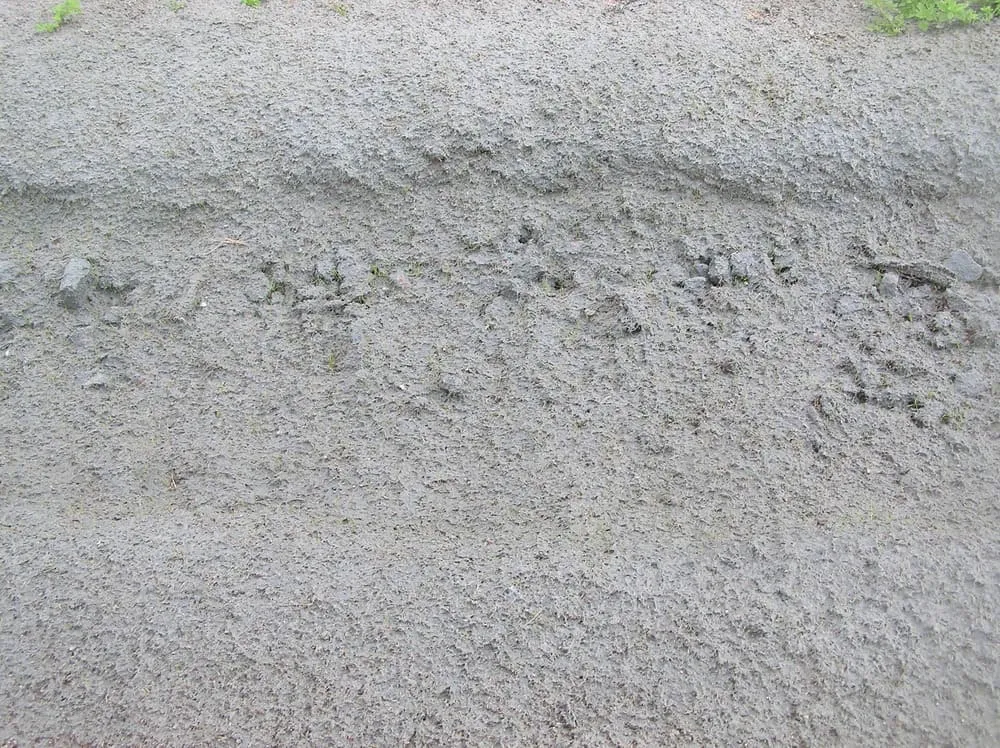
HydroSoil is applied hydraulically like a standard Hydroseed, but the mix is different. Alongside the mulch fibre, seed and nutrition it carries organic material and biological amendments that give the substrate what it is missing: organic matter, water-holding capacity and microbial activity. It is dark brown in colour and bonds readily to whatever it is applied to.

The improvement is chemical and biological before it is physical. HydroSoil does not turn a clay batter into topsoil on the day it is sprayed. It creates the conditions in which soil begins to form — moisture held at the surface, nutrients made available to the seedling, and a start for the decay fungi, bacteria and detritus-feeding insects that build soil structure over time. As vegetation establishes and roots cycle nutrients back through the profile, the ground improves on its own.

Used in conjunction with straw mulching, soil development goes further again. Surface moisture is held at a higher average level, which accelerates both germination and the biological activity underneath.

Where a site does not need the full treatment, we blend HydroSoil with standard Hydroseed to lift a poor substrate without over-specifying it. That judgement is the service — matching the specification to what the ground actually needs.

View Showcase
Queenstown Cycle Trail Project

BioBlanket

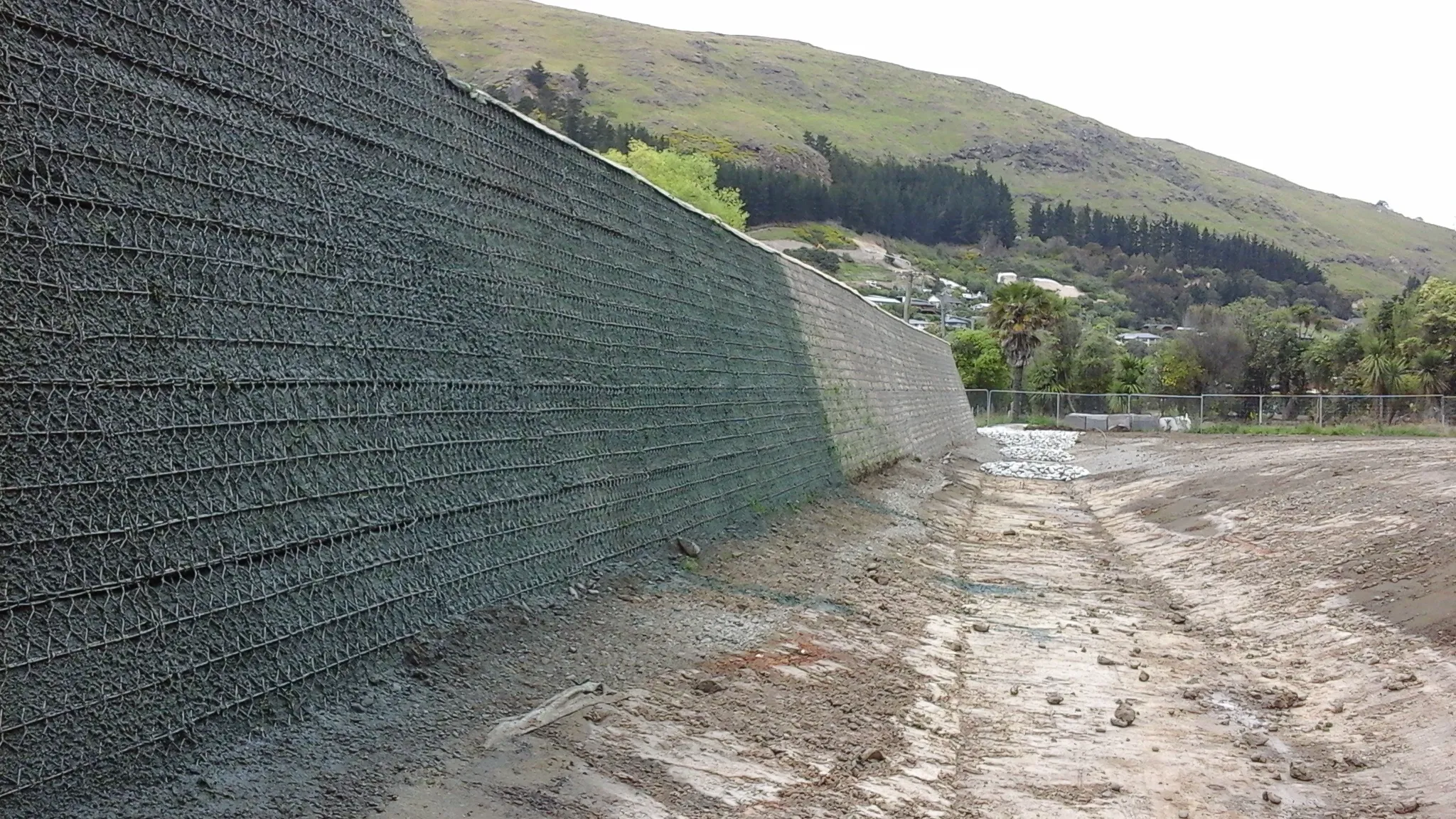
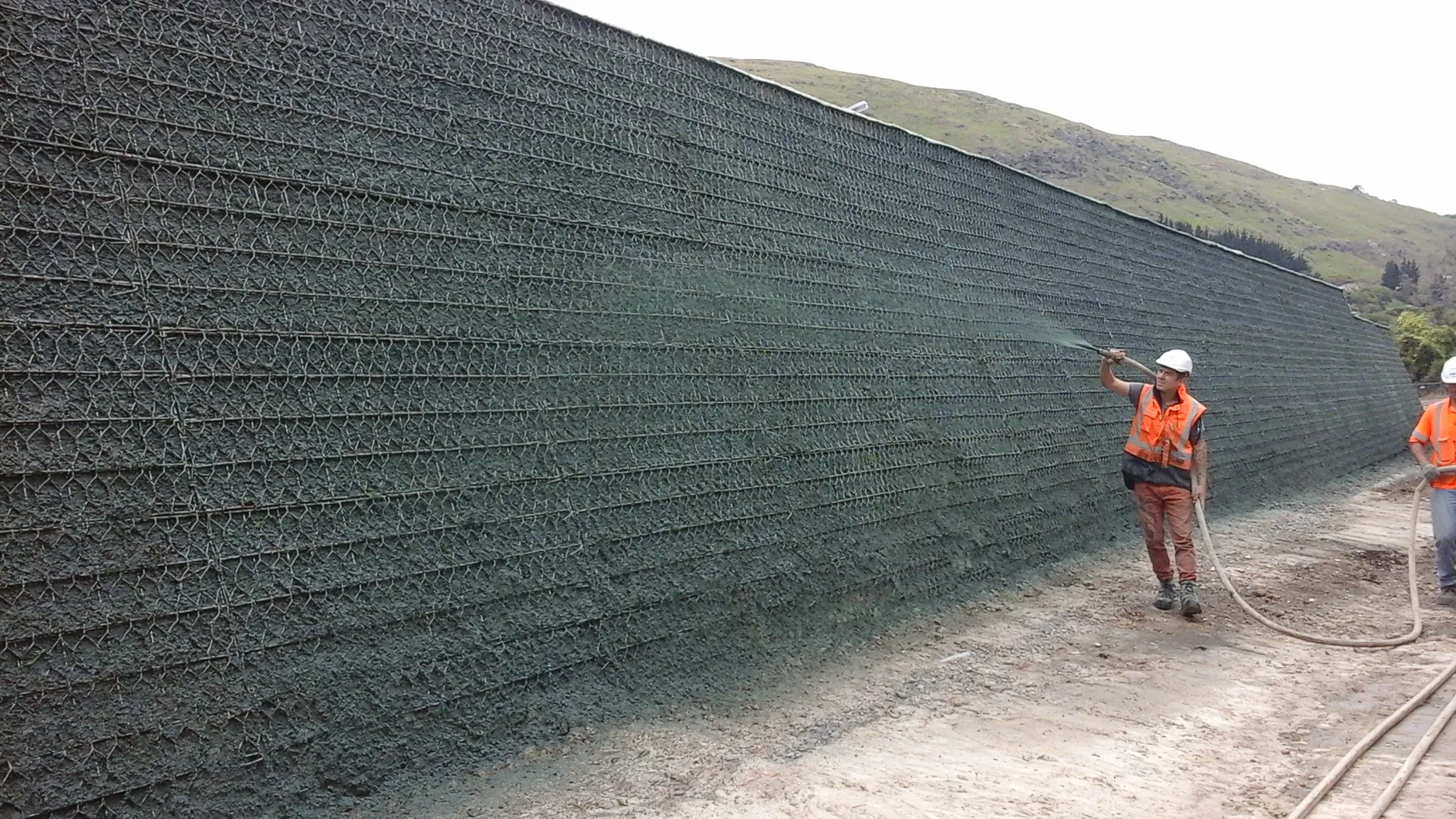
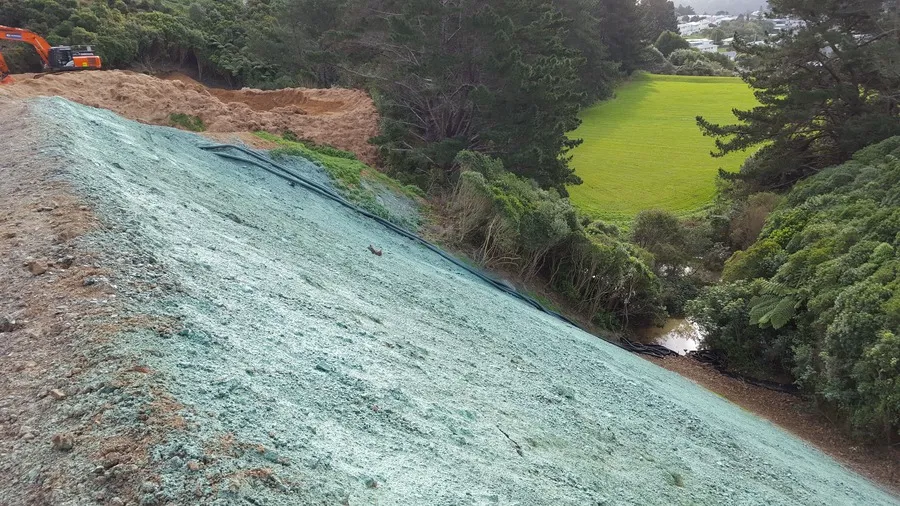
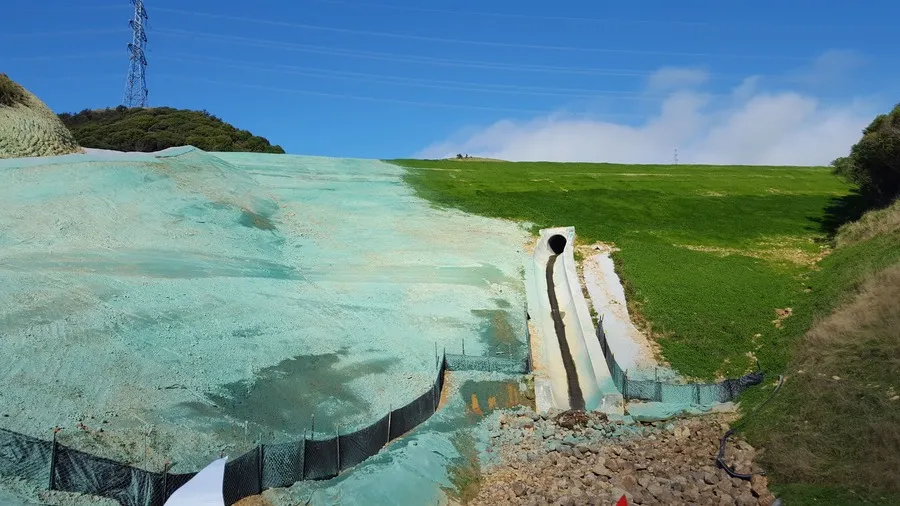
BioBlanket is a bonded fibre matrix, applied hydraulically like a Hydroseed but doing a different job. Elongated wood fibres bind together on contact to form a continuous three-dimensional erosion control blanket in place — no rolling, no pinning, no anchor trenches, no plastic netting left in the ground. On a steep or awkward face that matters as much for safety and programme as it does for cost.


The surface is textured, which slows run-off velocity and captures water so soil moisture stays even across the face. The matrix is porous, letting moisture pass through gradually rather than shedding it, and it degrades as vegetation takes hold and takes over the job.

It is specified as a range, not a single product

The rate is set by the slope, the exposure and how long the face has to hold before grass carries it. We specify the rung the site needs rather than selling one loading to everyone.

Applied at Suited to
BioBlanket Base Blended matrix Gentler faces, shorter exposure, budget-led work where the ground will carry grass without heavy protection
BioBlanket Standard 3,900 kg/ha Slopes to 2H:1V. The rate at which the independently tested performance figures below are stated
BioBlanket Premium 4,500–5,100 kg/ha Slopes at 1H:1V and steeper, long exposure periods, and faces going into winter

At 3,900 kg/ha and above, the bonded fibre matrix we apply carries the following independently tested performance, measured at Utah Water Research Laboratory:

  • 99% erosion control effectiveness, cover factor ≤0.01 (ASTM D8298)
  • Cure time of nil to two hours — protection is in place before the rain arrives, not the day after
  • 1,700% water-holding capacity — 17 times its own weight (ASTM D7367)
  • 800% vegetation establishment against bare soil (ASTM D7322)
  • Functional longevity to 18 months (ASTM D5338)
  • Effective on slopes as severe as 0.25H:1V
  • 100% biodegradable and plastic-free — nothing left in the ground

Where it earns its place

  • Fretting soils in cut batters
  • Soft or sandy embankments
  • Slip zones during the establishment period
  • Water table restoration
  • Sites being stabilised outside the growing season, where grass will not strike quickly and the face still has to hold

That last case is the one most often underestimated. A face sprayed in May is buying erosion protection, not a sward — and it should be specified, priced and explained on that basis.

Where it is not the answer

BioBlanket is a sheet-flow product. Channels, flumes, chutes, spillway inverts and anywhere flow concentrates need a turf reinforcement mat, coir blanket or hard armour, and we will say so rather than spray something that will not hold. It contributes nothing to geotechnical slope stability either — if a face is moving, the problem is drainage and reinforcement, not surface cover.

HydroSkin

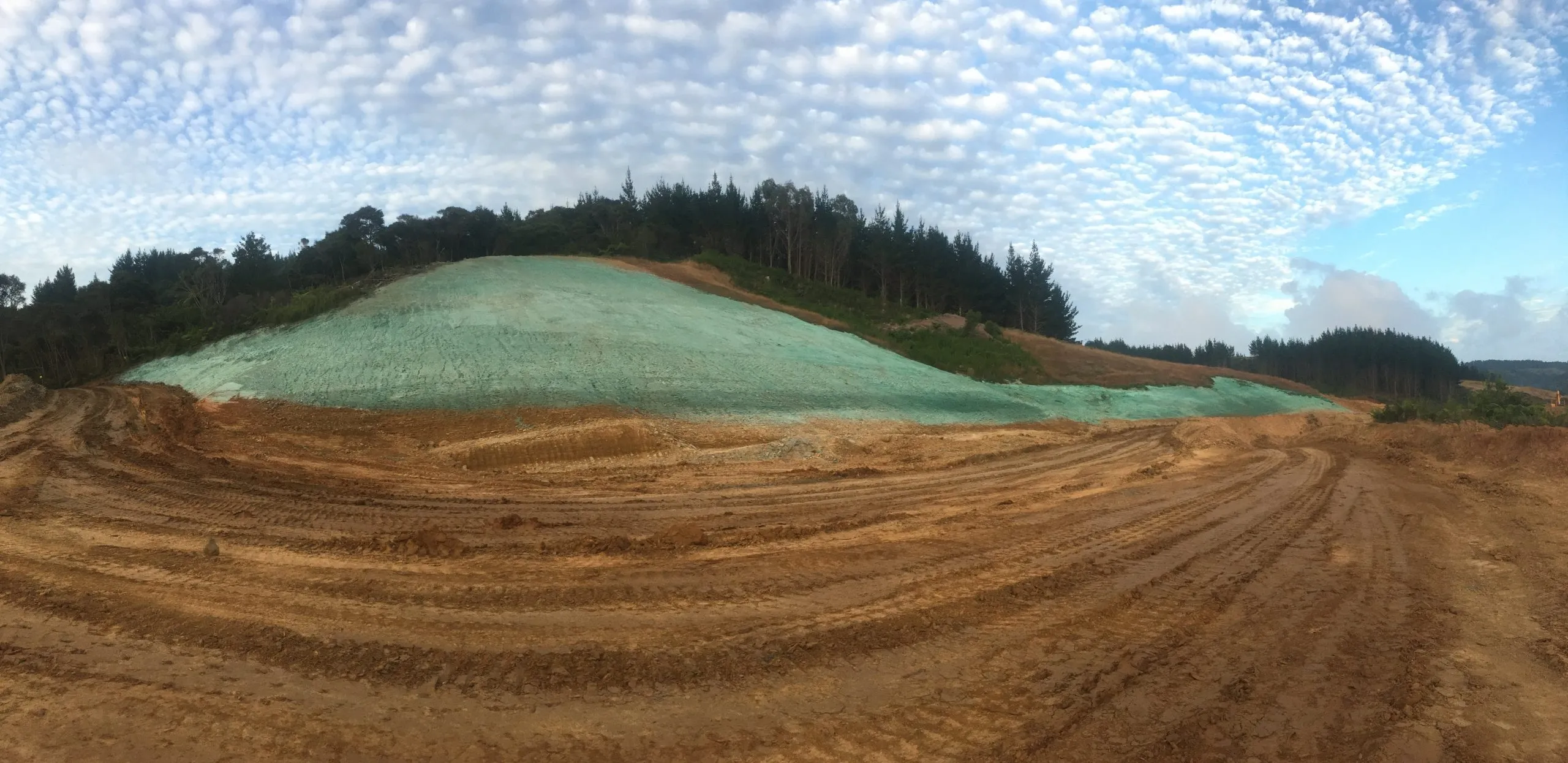
HydroSkin is a surface binder applied through the hydro unit. It draws the fine particles on an exposed surface together into a flexible skin that holds them in place — eliminating dust and stopping wind and light rain from moving the surface, on ground that is not yet ready for seeding or will not be seeded at all.

It suits exposed stockpiles, bare ground, sand, minerals and tailings, and it is used both on its own for dust control and alongside seeding as temporary stabilisation while a face waits for the right window. We have applied surface binders on that basis across approximately 2,000,000 m² of temporary works at Transmission Gully.

We specify the binder, we do not sell one

The binder chemistry in this field moves, and we move with it. We run more than one product and select against the ground, the traffic and the weather window rather than applying the same thing everywhere. We keep testing what comes to market and we change when something better arrives — which is why HydroSkin is a service specification rather than a single product.
Our selection standard is consistent whatever the binder: non-hazardous classification under GHS, not classified as a dangerous good for transport, and not classified as toxic to aquatic life. Safety data sheets are available for anything we put on your site.

Benefits

  • Binds fine particles into a flexible surface skin, eliminating dust at the source
  • Holds exposed ground through rain events
  • Applied through the same hydro unit as our seeding work — no separate plant, no separate mobilisation
  • Can be applied with marking dye so treated areas are identifiable on site
  • No abrasive or corrosive effect on plant and machinery
  • Cost effective across large exposed areas, and fast to apply

HydroMulch

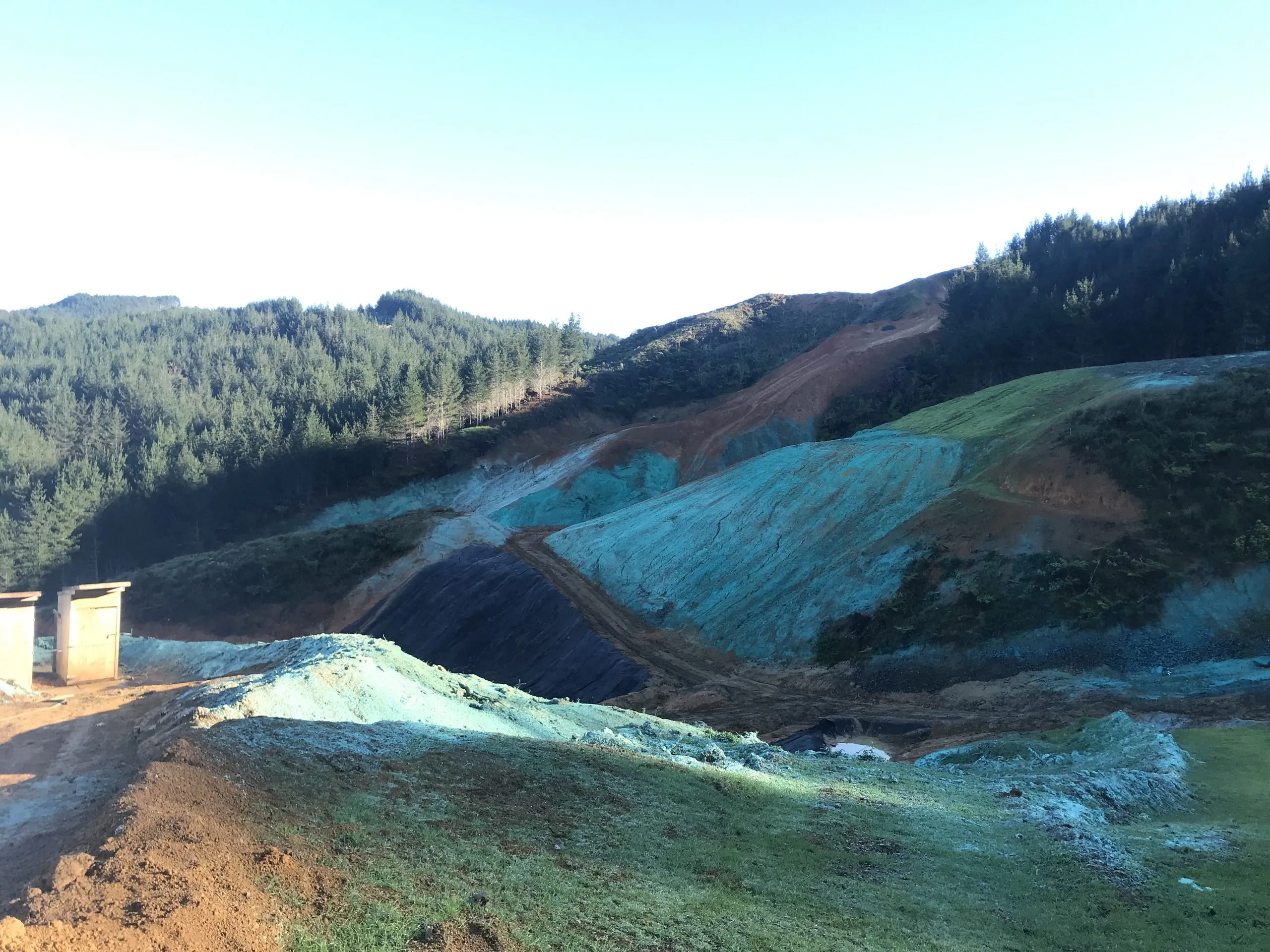
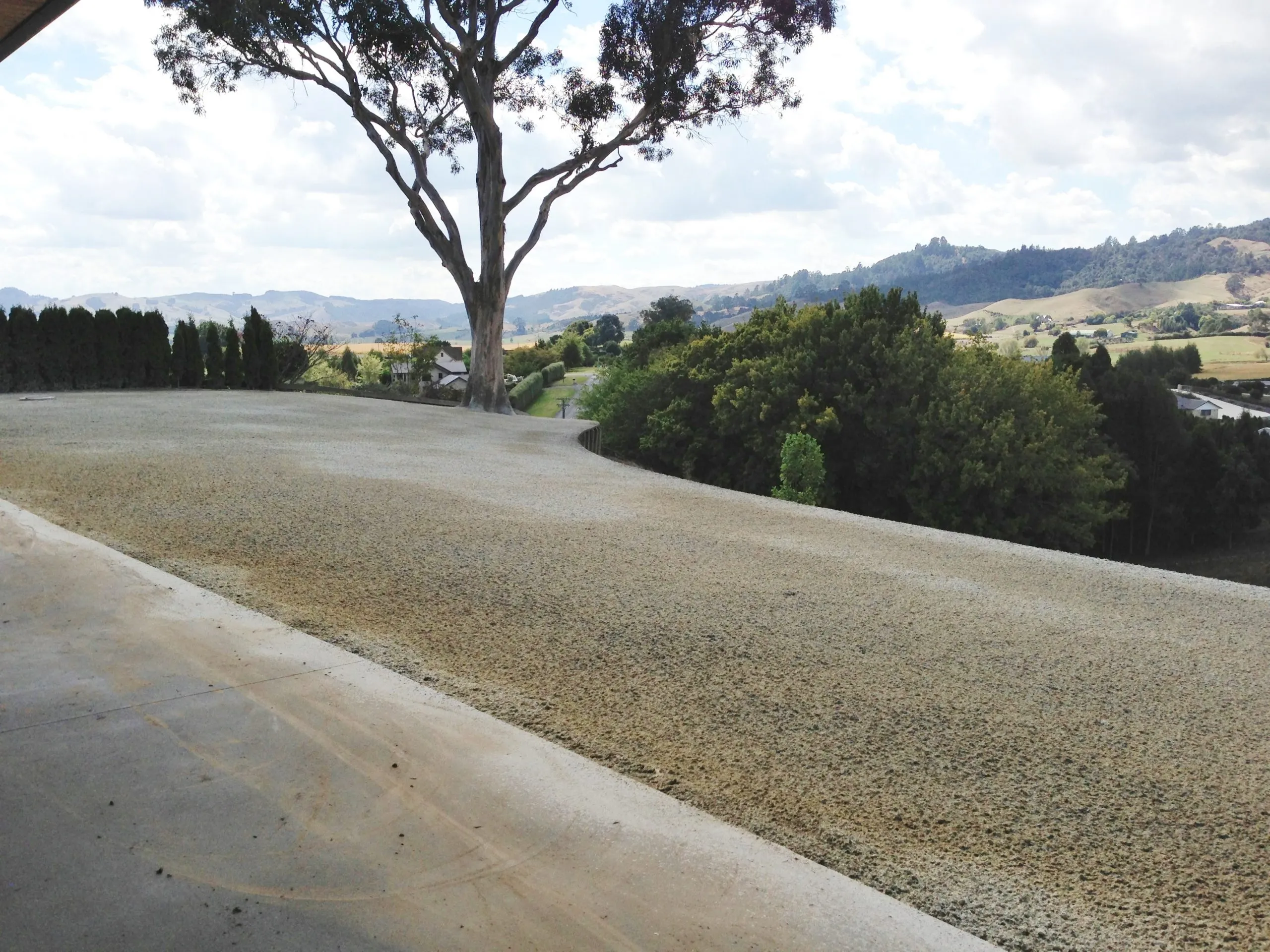
HydroMulch is a wood fibre mulch applied hydraulically to stabilise a surface. It is not Hydroseeding with mulch added. It is a mulch, and that distinction is the whole point.

Under Auckland Council GD05, mulch is one of only three measures recognised as capable of instant stabilisation, alongside geotextiles and aggregate. Hydroseeding is not — GD05 says so explicitly, and a Hydroseeded face is not a stabilised surface until grass reaches 80% cover, typically four to eight weeks and longer through winter. HydroMulch works from the day it is sprayed.

That makes it the answer when the programme will not wait for grass: rain forecast, a consent condition to meet, a winter shutdown approaching, or ground that has to hold now and be vegetated later.

With seed, or without

HydroMulch is often applied with seed, so the face is protected immediately and grassed as the season allows. But it does not need a seed component to do its job. On ground that will be reworked, on stockpiles, or outside the growing season when grass will not strike anyway, we apply it as stabilisation alone and seed later when the window opens. Paying for seed that will not germinate is money on the ground.
Where it is used

  • Faces that need protection before forecast rain
  • Areas being stabilised ahead of a winter shutdown
  • Ground prone to run-off, erosion and slipping
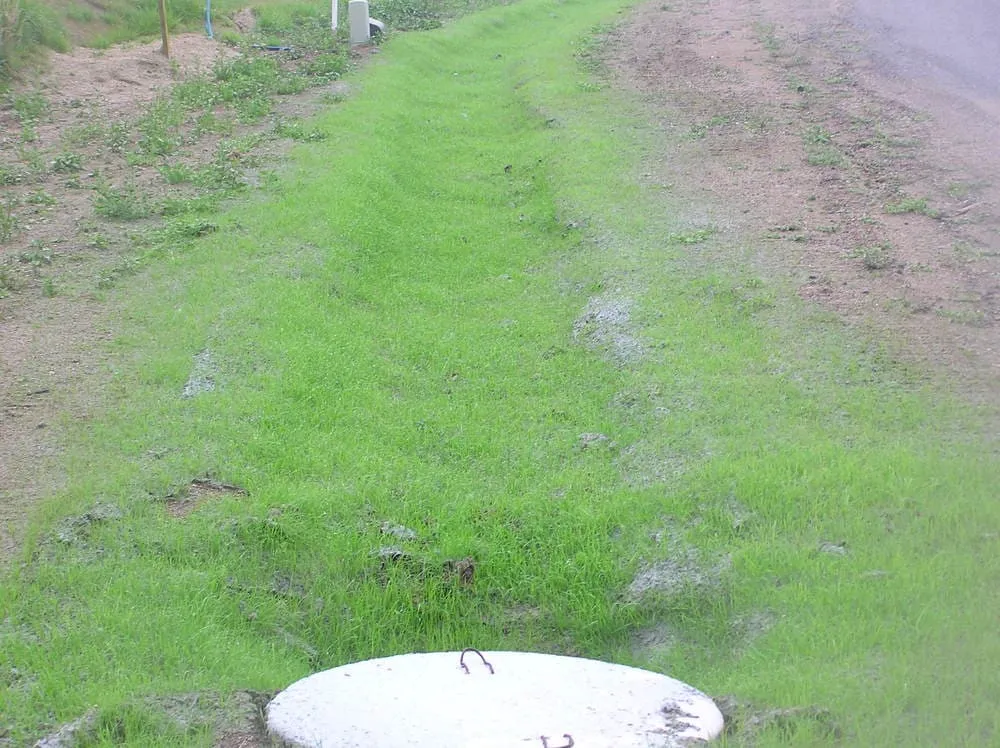
  • Swale drains, culvert surrounds and berms
  • Cut and fill batters where vegetation will follow later
What it asks of the site

Mulch stabilises by covering. To count as stabilised it has to stay covered — GD05 requires 100% surface cover to be maintained, with reapplication once the integrity or density of the cover declines. We will tell you what the face needs and when it will need looking at again, rather than spraying once and walking away.

Turf Hydroseeding

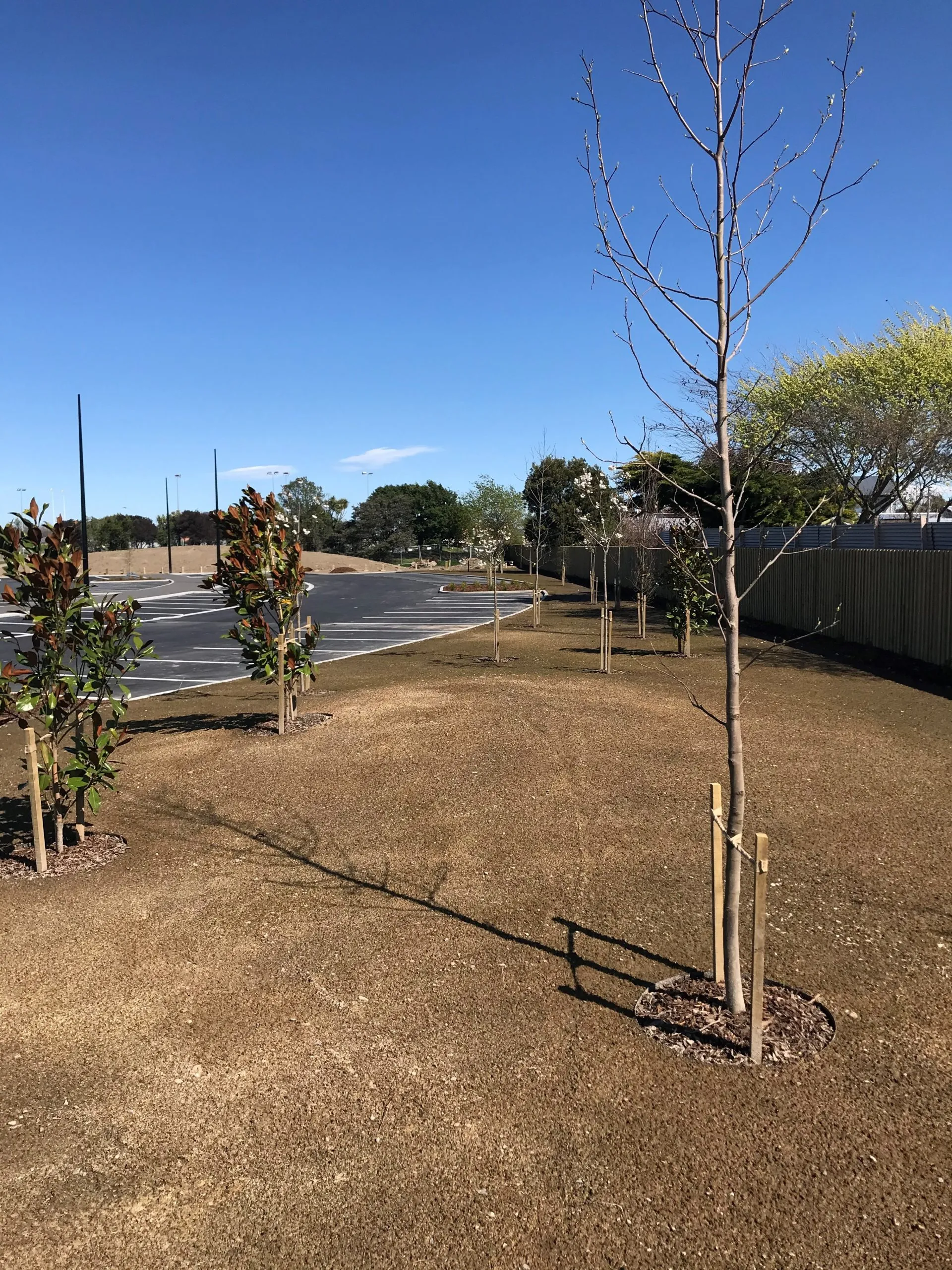
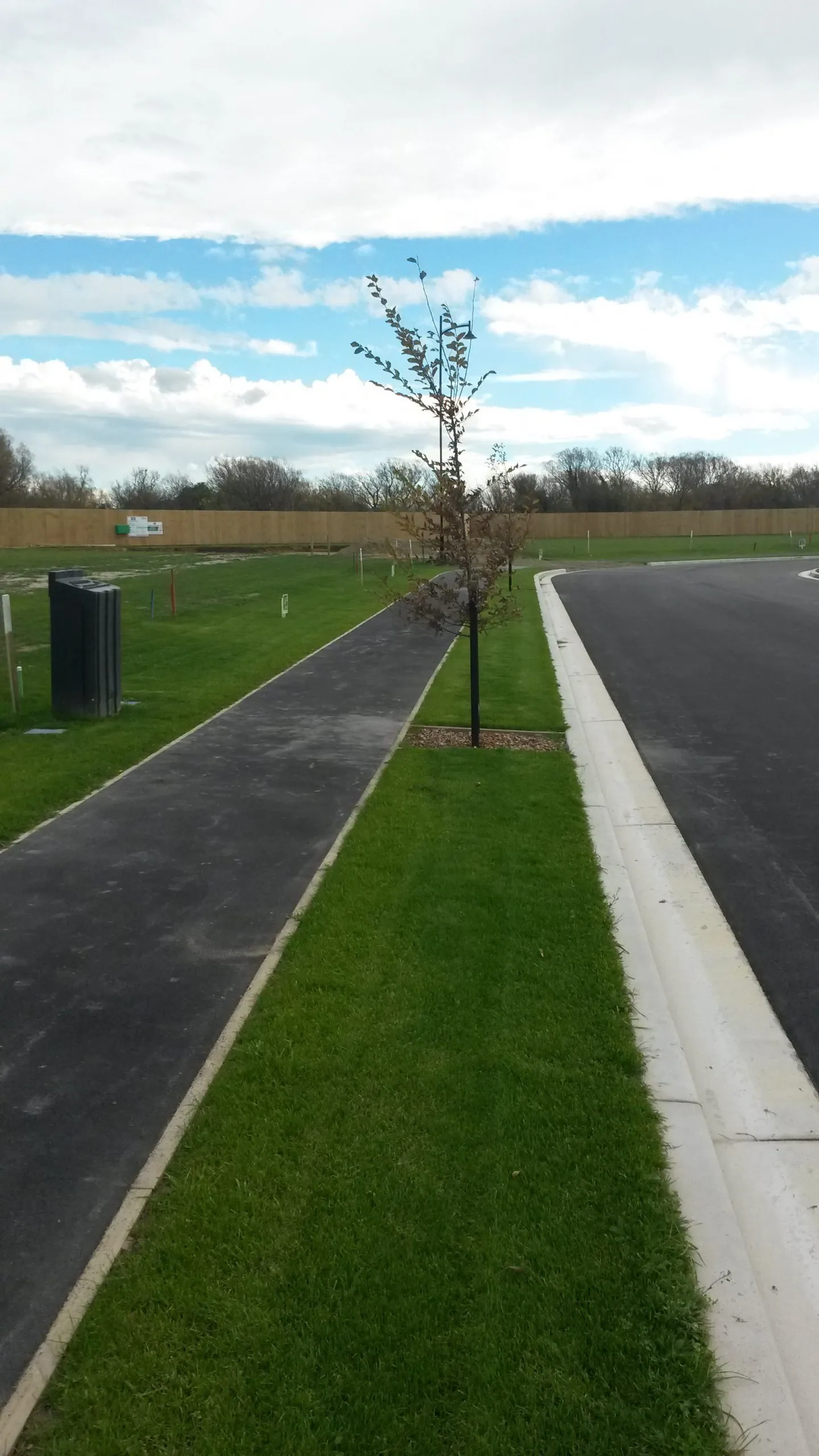
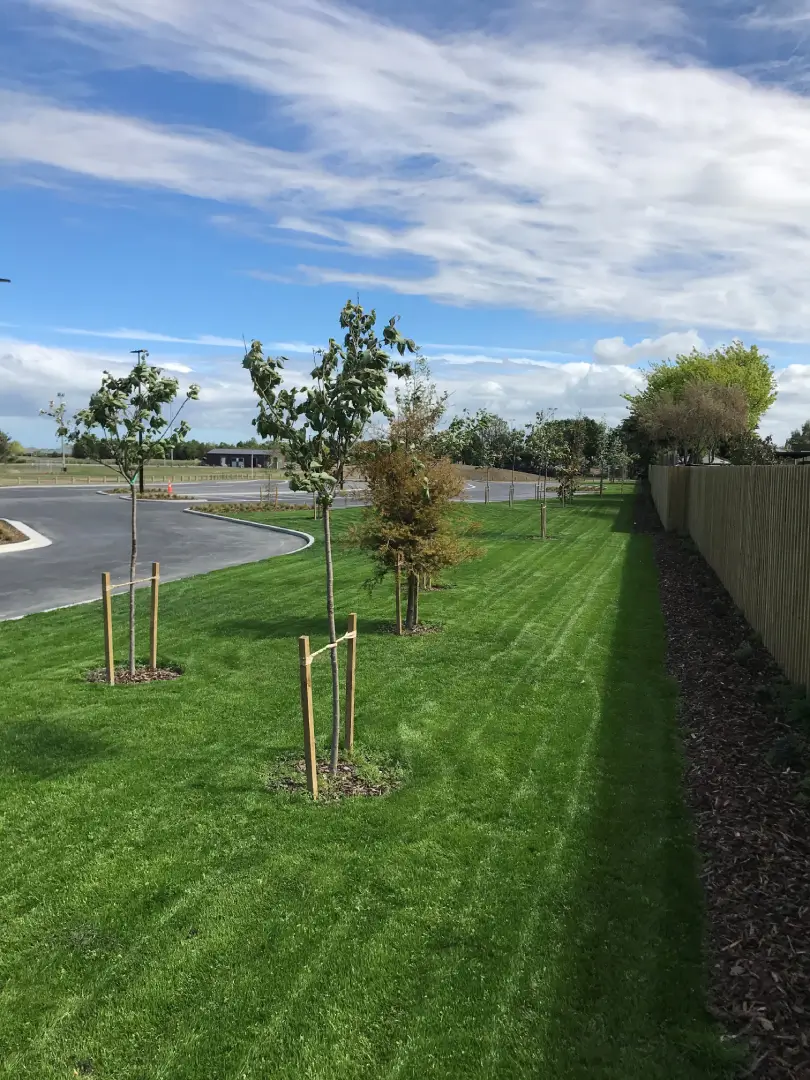
HydroSeeding sits between sowing seed by hand and laying ready lawn. It costs less than turf, and unlike broadcast seed it puts the seed down in a mulch blanket that holds it in place — so the birds leave it alone, wind and light rain do not move it, and the coverage stays even instead of thick in some places and bare in others.

The seed is what makes the difference

Most of what separates a good lawn from a patchy one is decided before the truck arrives. We use certified turf blends — the same cultivars specified for New Zealand stadiums, golf courses and sports fields — carrying a minimum standard of 98% purity and 90% germination, tested within the previous twelve months.
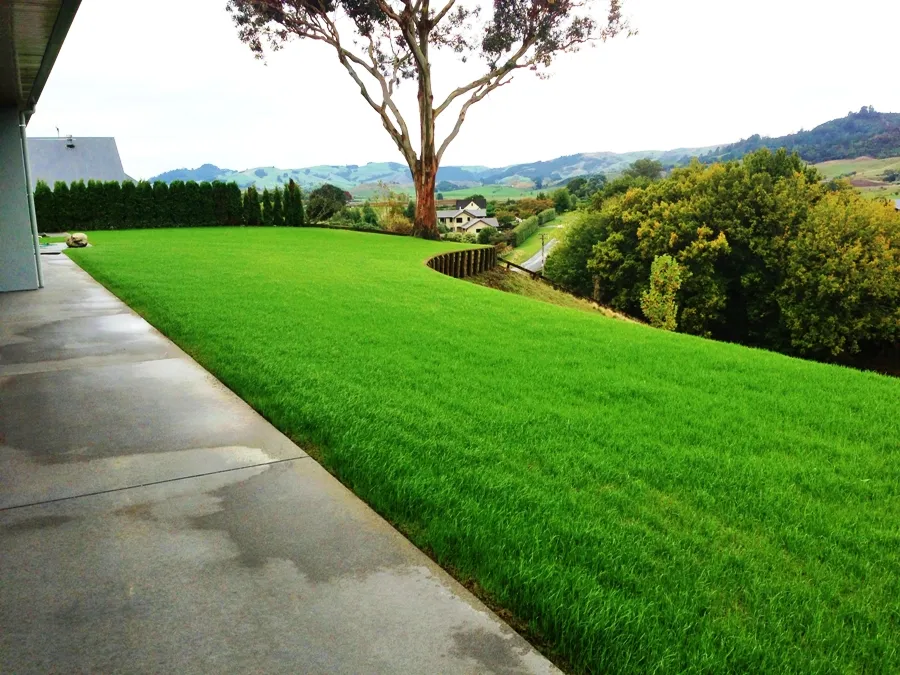
That matters more than it sounds. Seed at 90% germination against seed at 45% needs half as much to produce the same lawn. Uncertified seed carries no guarantee of what variety is in the bag, no purity standard and no germination standard, and you find out which you bought about six weeks later.

We match the blend to the site — sun and shade, soil, wear, and whether it is a front lawn or a sports field.

How it works

Once the ground is prepared, the mix is made on the truck and sprayed onto the surface through hoses. We carry over 100 m of hose, so difficult access, back sections and sites a truck cannot reach are not a problem. The same trucks and crews stabilise state highway batters and subdivision earthworks, which is where the equipment and the experience come from.

What to expect

Hydroseeding can be done year round, but germination speed depends on the season, soil temperature and moisture. In ideal spring or autumn conditions you can see germination in about seven days. More typically, allow ten to fourteen days depending on watering and ground temperature. Through the colder months it will take longer, and we will tell you honestly what to expect before we spray rather than afterwards.

We provide a lawn care guide with every job covering watering, first mow and early feeding. Following it is most of the difference between a good result and an average one.

Contact Us