
civil-commercial-landscaping, rehabilitation

Planting

Planting is an essential and grand aspect to many of our projects and one of Evergreen Landcare’s Core Business functions. There are many different aspects and functions that planting is required for.

Evergreen Landcare plants at infrastructure scale. Over 40 years we have put plants in the ground on state highway corridors, busways, subdivisions, retirement villages, wetlands and city streets — 1.9 million native plants on Transmission Gully alone.

Planting is where a project gets its finish, but on most of our work it is doing more than that: holding a batter, meeting a consent condition, restoring a wetland, or replacing habitat lost to a development. Those jobs are judged on what is alive in two years, not on what looked good at handover.

We plant, and we stay to establish it. Site preparation, weed control, fencing, supply, planting and maintenance through to canopy closure — and where a site needs it, hydroseeded native seed or HydroSoil to build a growing medium before a single plant goes in. Very few planting contractors can do both.

Amenity Planting

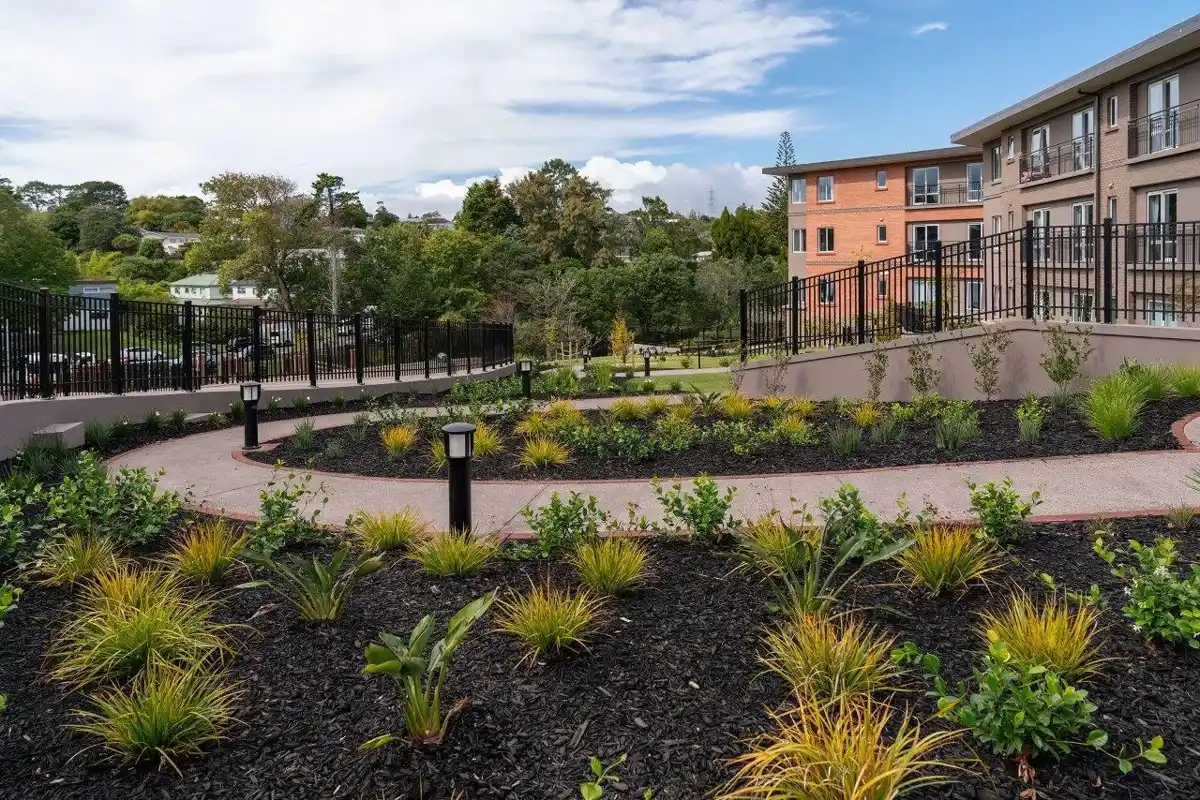
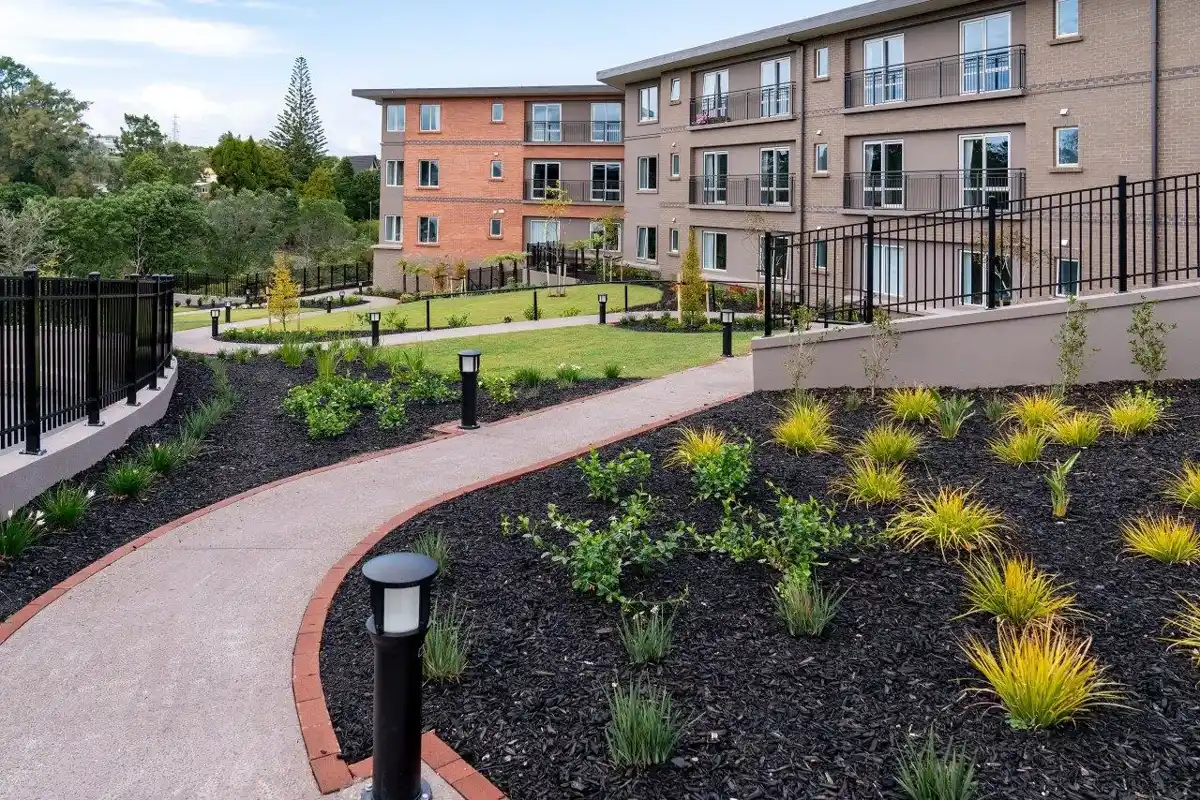
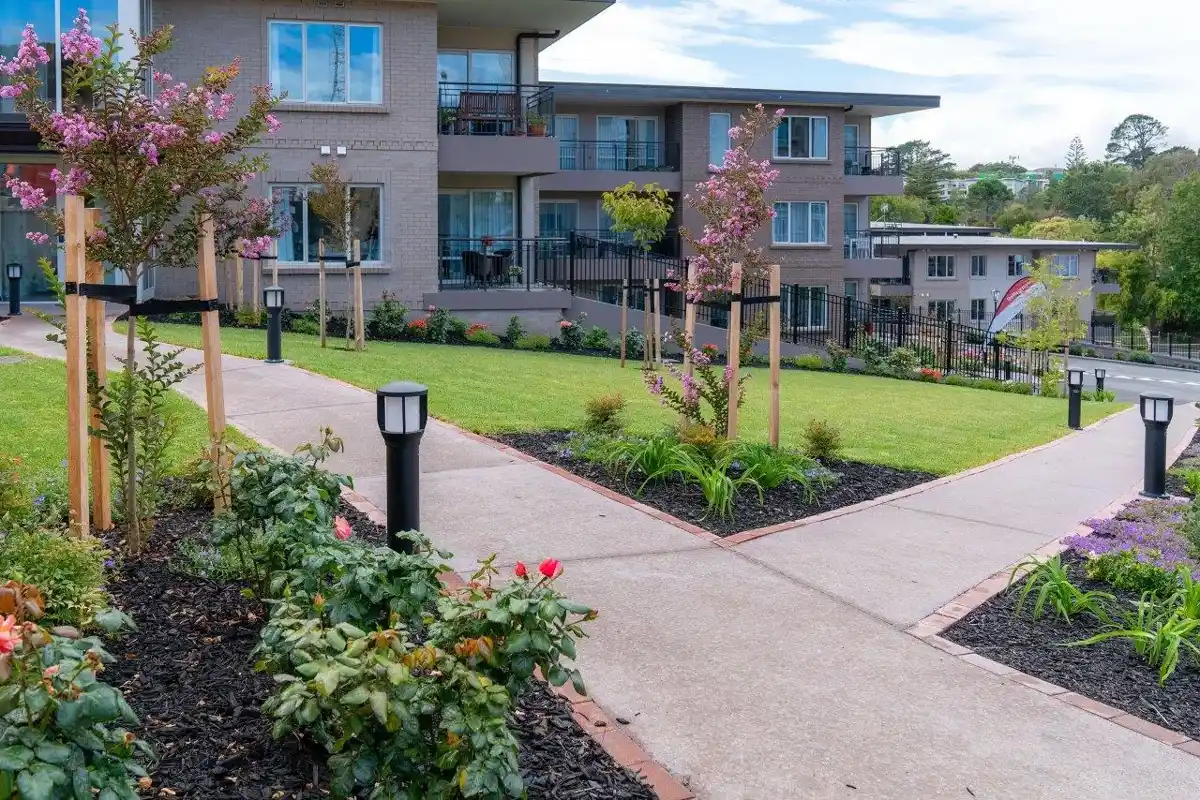
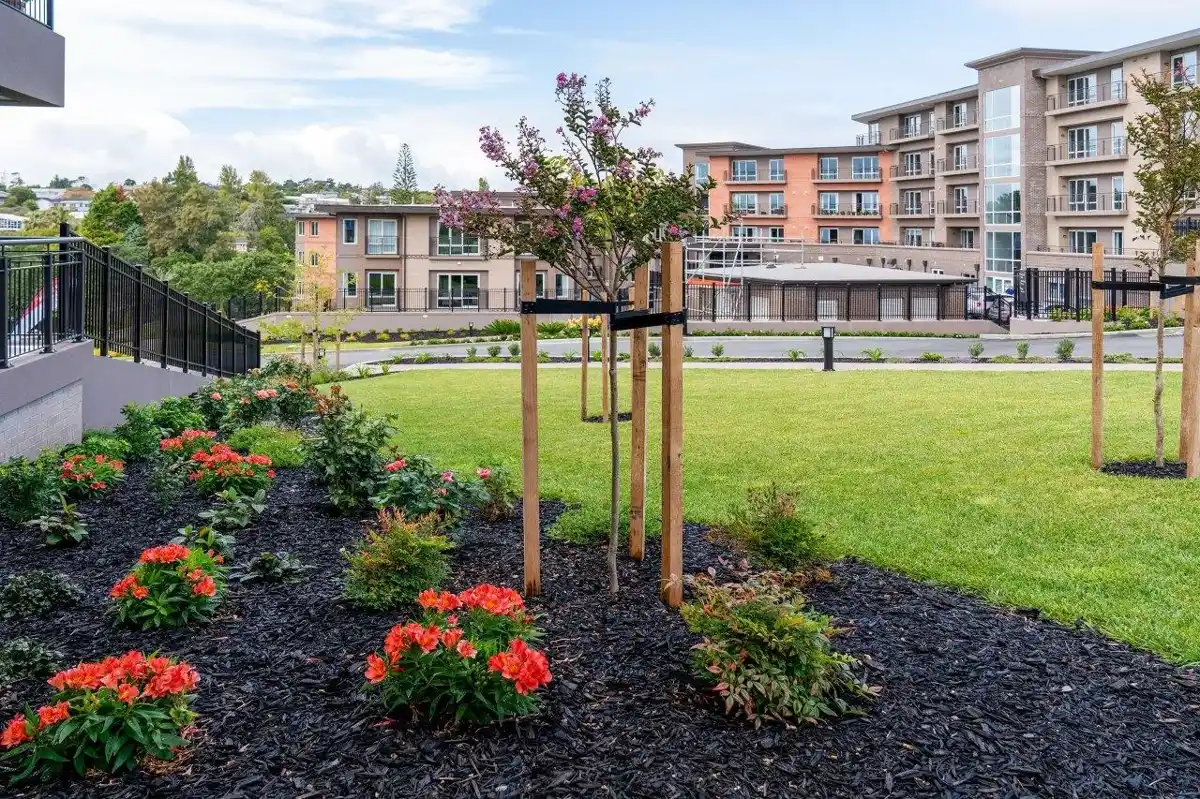
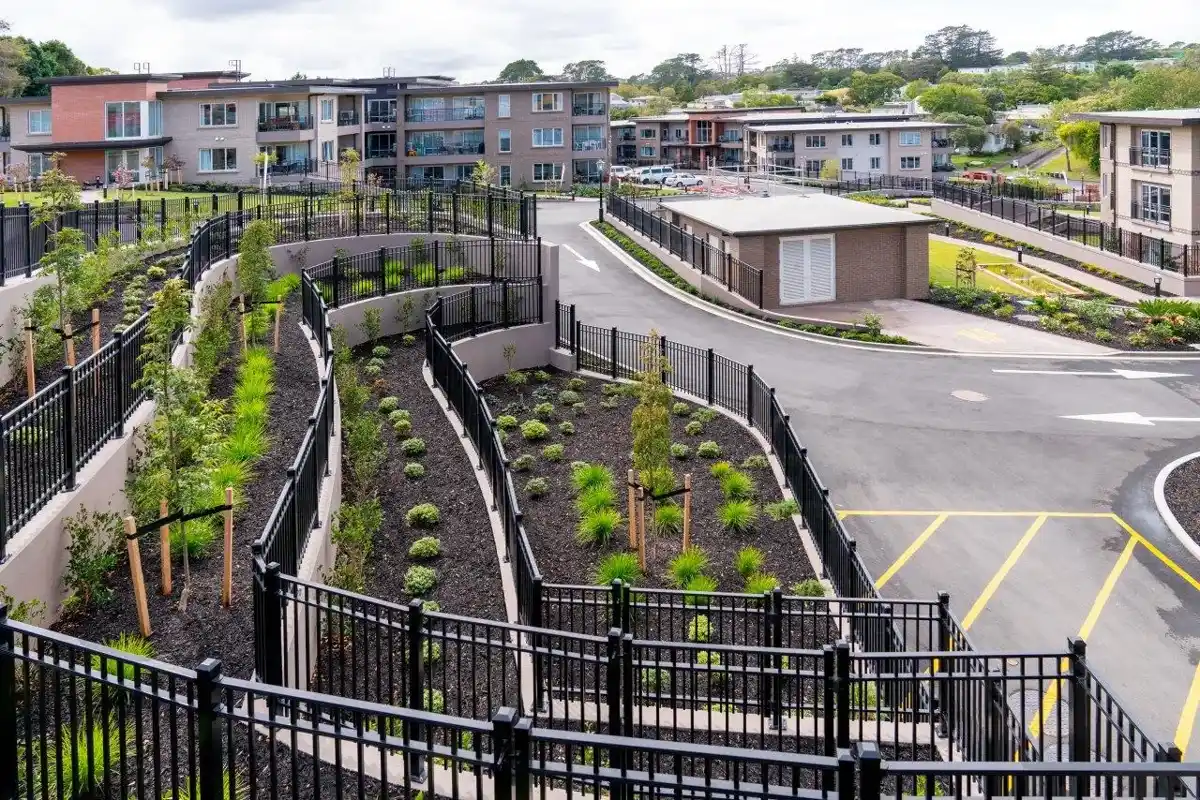
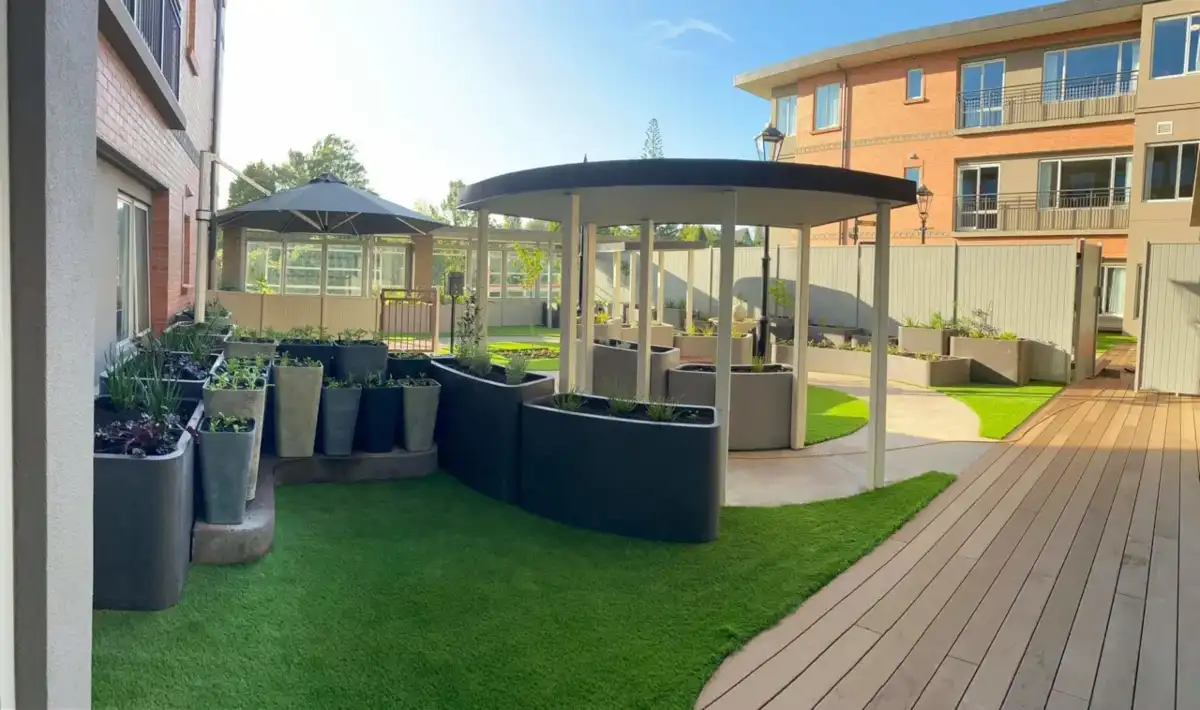
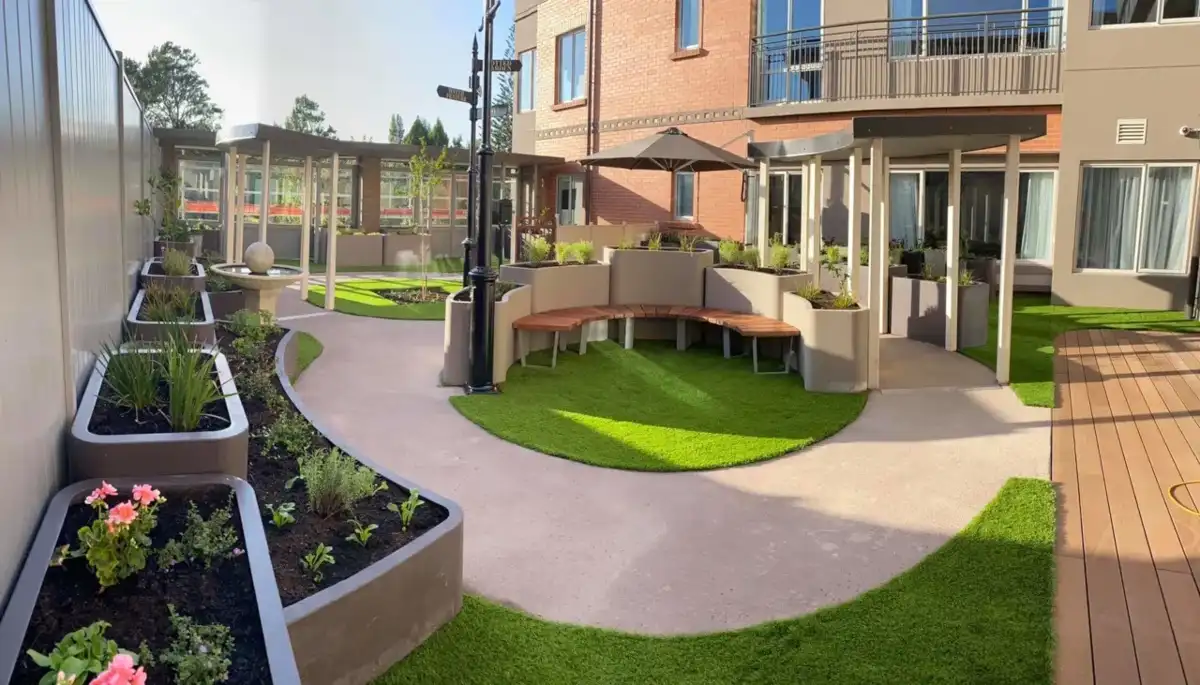
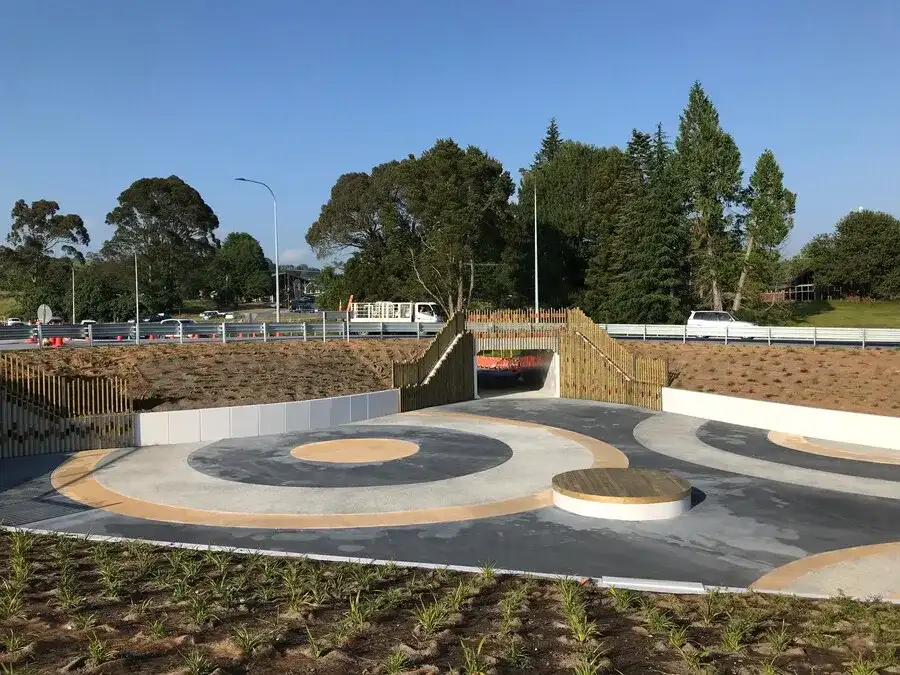
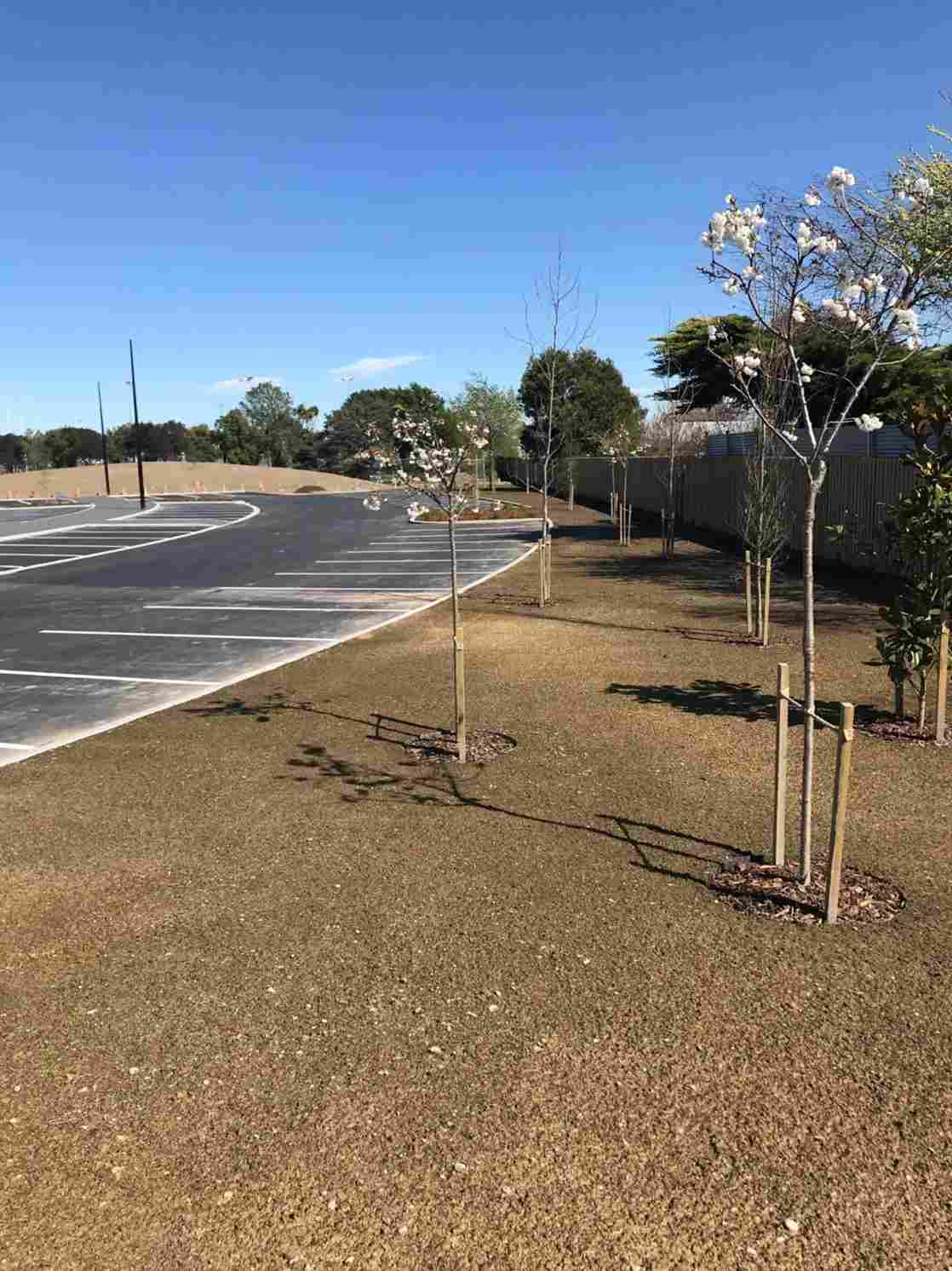
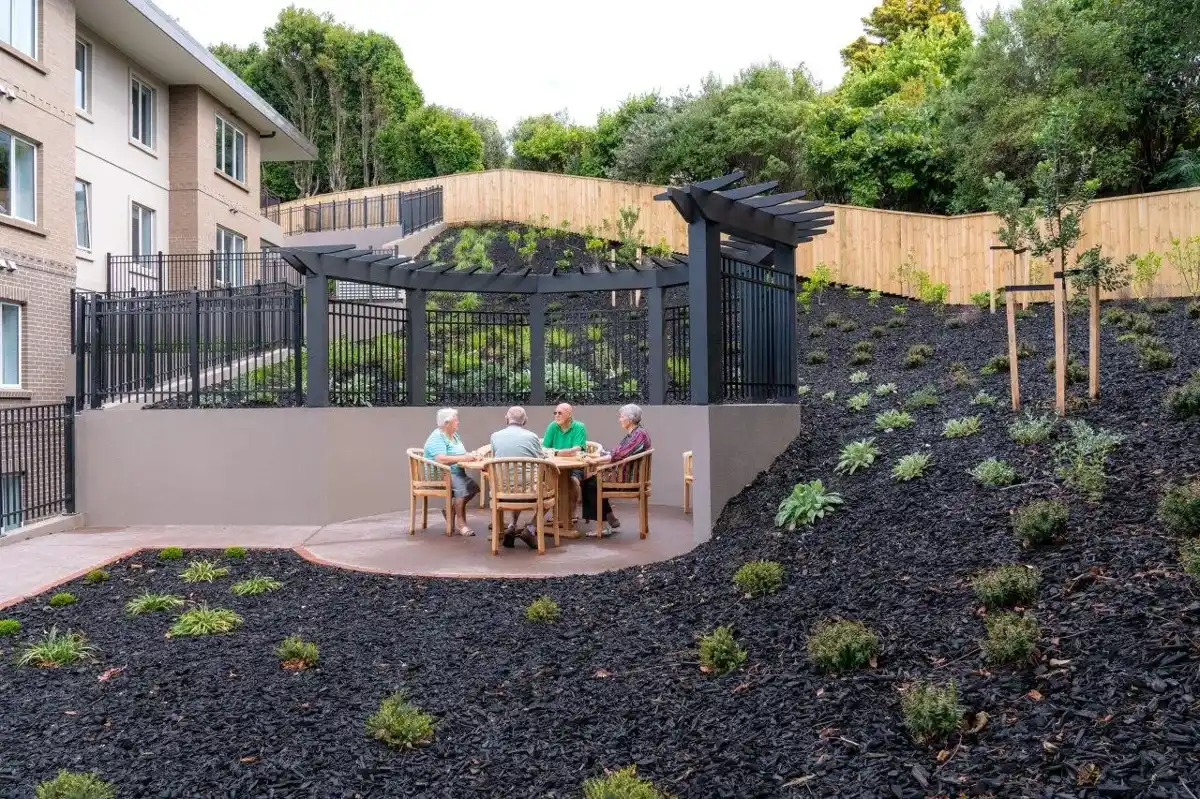
Amenity planting is the planting people actually use — parks, playgrounds, reserves, retirement village grounds, public open space and the green areas within new developments.

These spaces are judged differently from a corridor batter. They are walked through daily, they carry public expectation, and they have to look established quickly and stay that way with realistic maintenance. Species selection, plant grade and spacing all shift accordingly, and so does the sequencing — most of this work happens around people, in occupied or soon-to-be-occupied spaces.

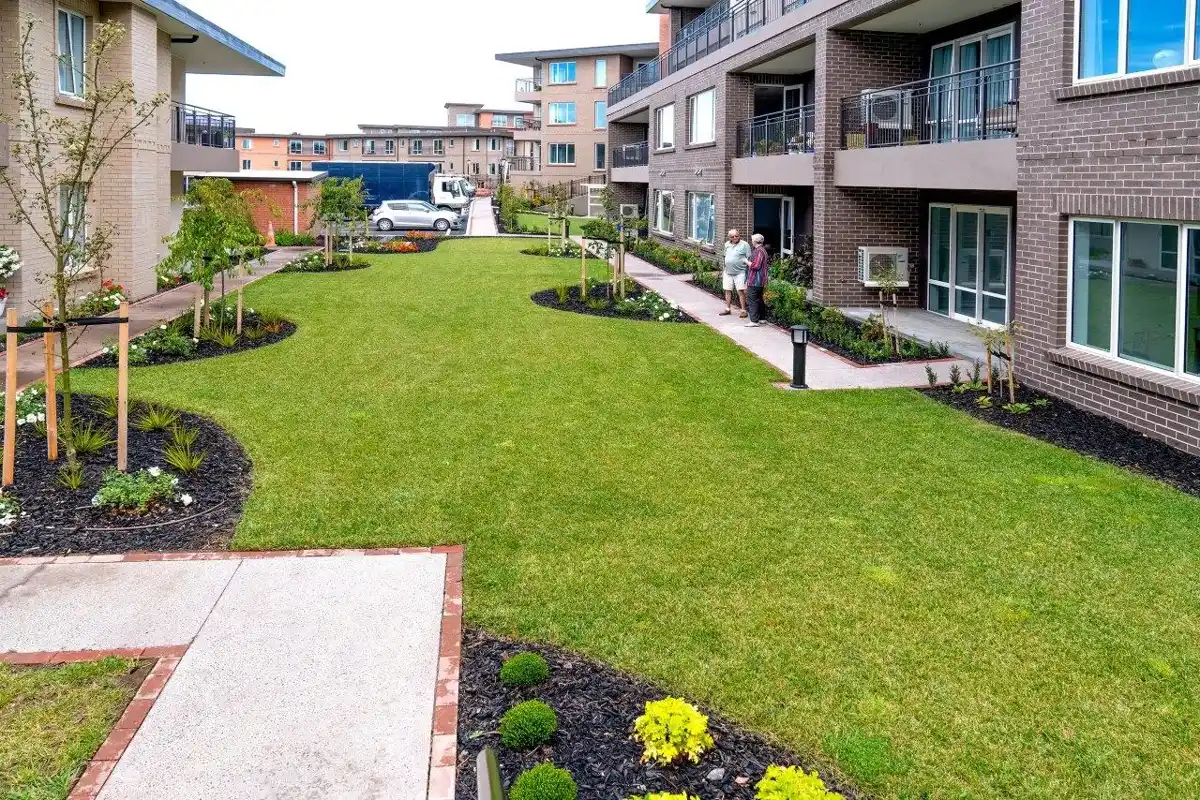
We deliver amenity planting from single reserves through to full retirement village grounds, and we maintain what we plant. Our retirement village work includes Ryman and Cambridge Oaks.
Infrastructure Project Planting

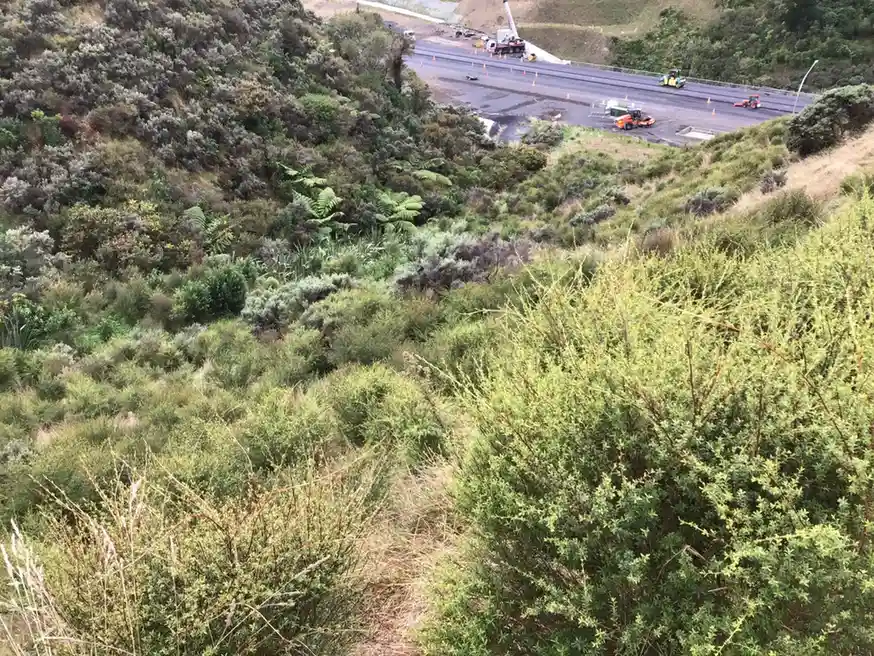
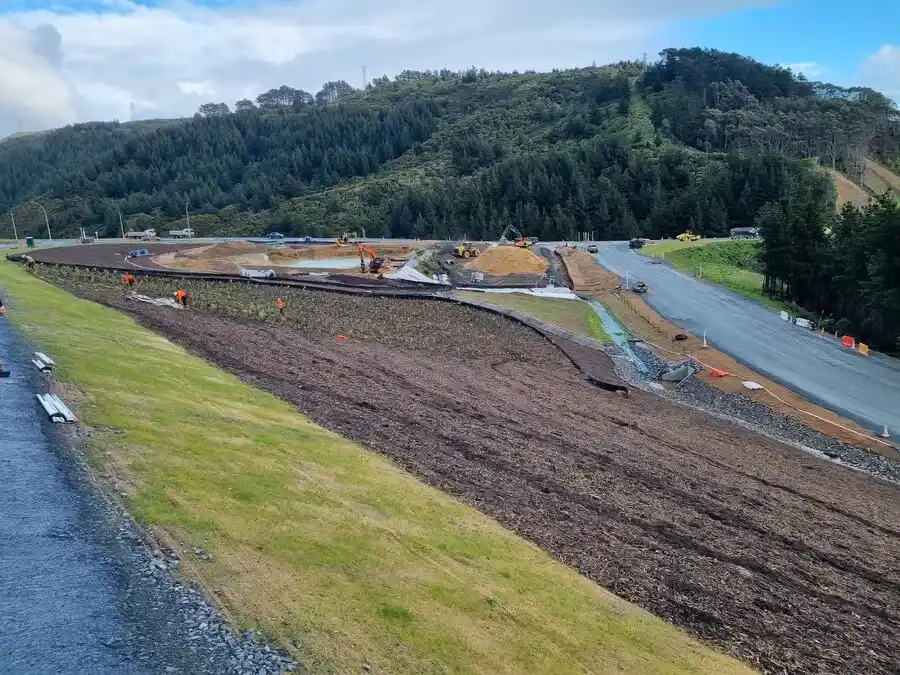
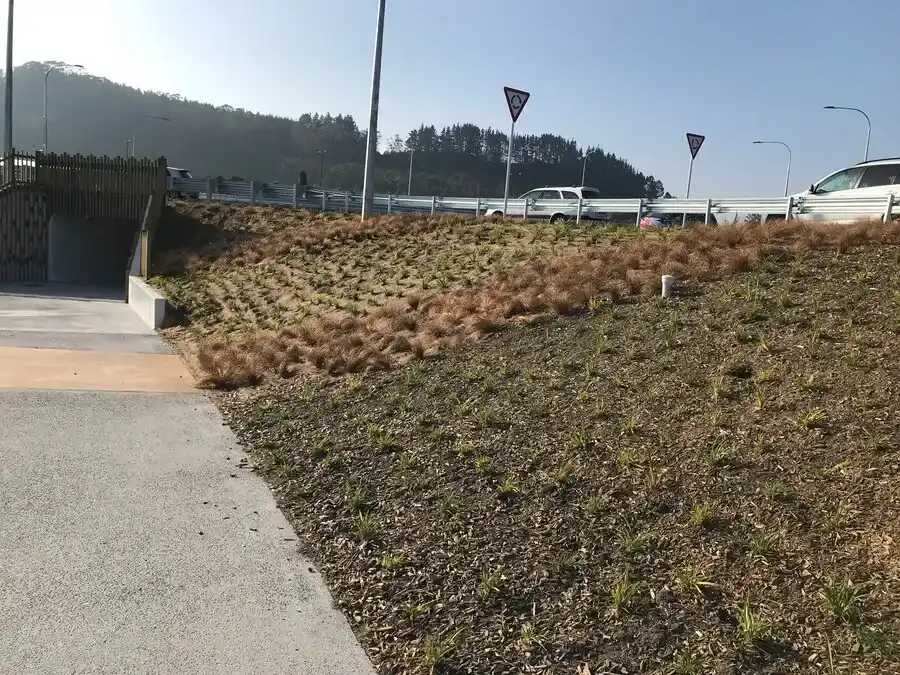
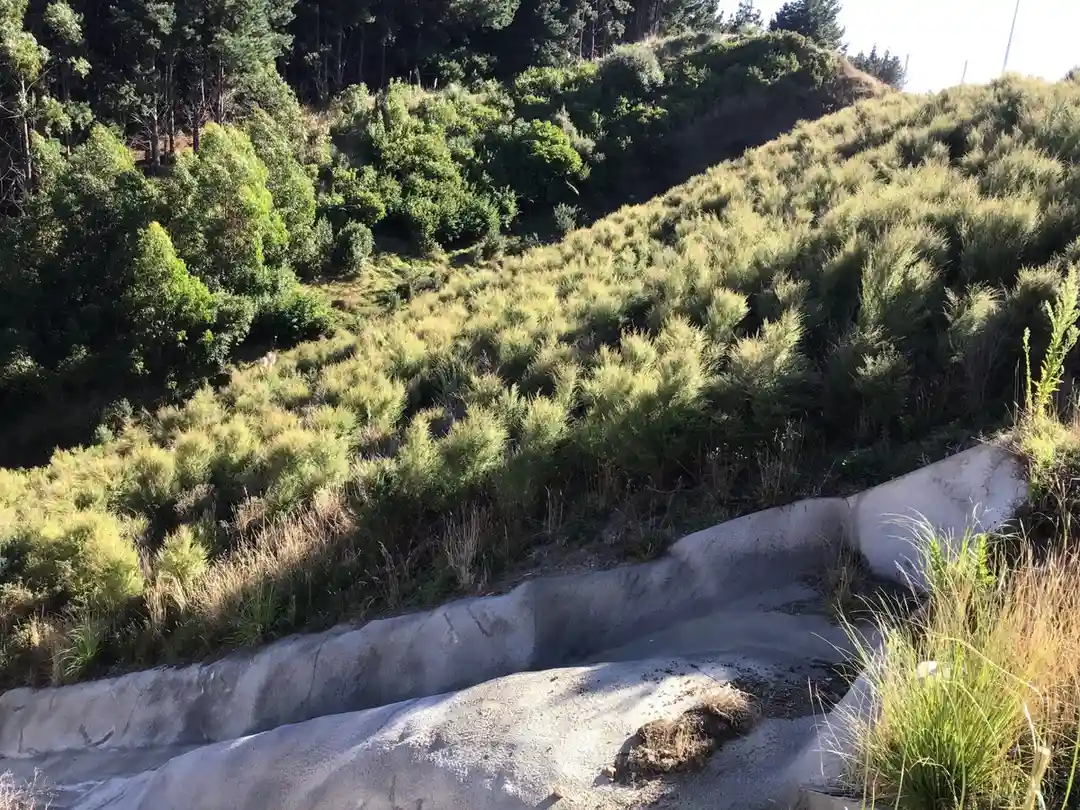
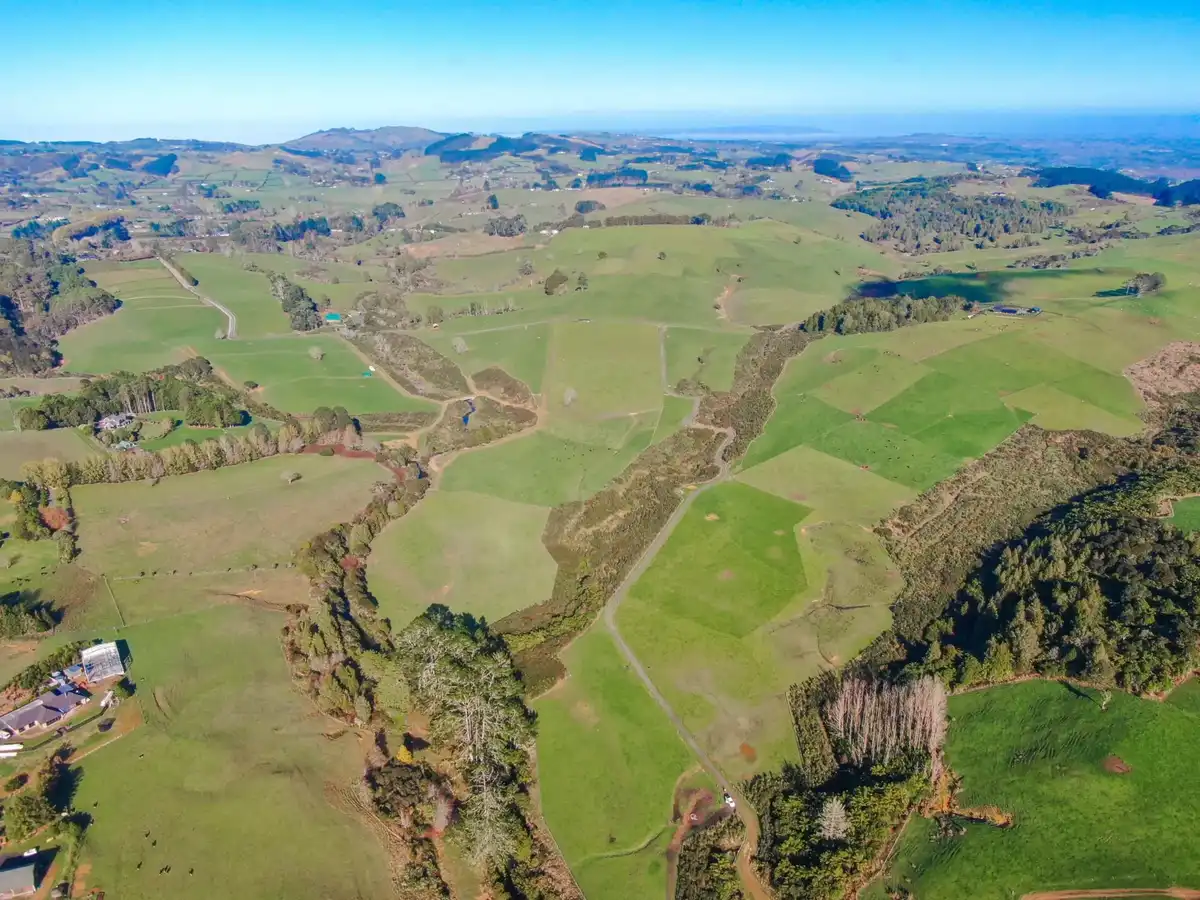
Large infrastructure projects need planting for visual amenity, erosion control, revegetation after earthworks, and consent mitigation — usually all four at once, on the same corridor, to different specifications.
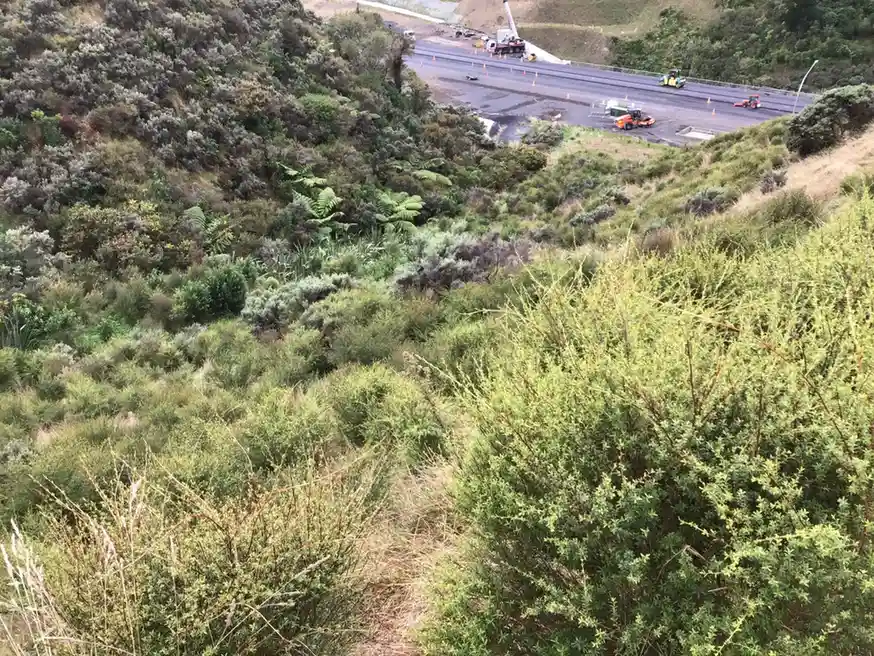
The difficulty is rarely the planting. It is access, sequencing and getting plants to where they have to go. We have used helicopters, tractors and cranes to place plants on faces that could not be reached any other way, and we programme planting around live earthworks rather than waiting for a site to be handed over clean.
Infrastructure sites also carry the highest health and safety expectations of any work we do. Our crews hold the required unit standards to work these corridors nationwide, and we operate under ISO 9001, ISO 14001 and ISO 45001 certification.

Recent and current infrastructure planting projects include Transmission Gully, Takitimu North Link, Penlink, the Eastern Busway, Puhoi to Warkworth, the Manawatū Gorge Bypass, Awakino Bypass and Waikeria Prison.

Ecological Mitigation Planting

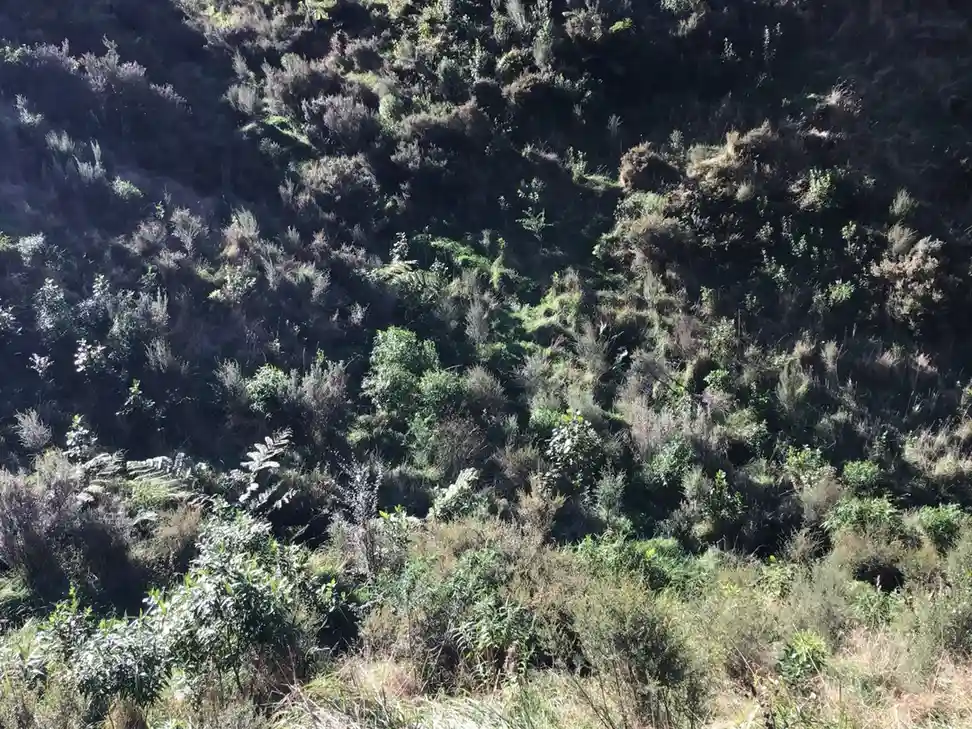
Ecological mitigation planting replaces habitat lost to a development. It is almost always a consent obligation rather than a landscaping choice, and that changes what the job actually is.

Consent conditions for mitigation planting typically specify not just what goes in the ground but what has to be alive at twelve and twenty-four months, with failures replaced at the contractor’s cost. The planting is the easy part. Meeting the survival condition is the work, and it is decided by site preparation, plant sourcing, timing and the maintenance regime far more than by the day the plants go in.

We plant to the condition, not to the plan. That means:

  • Hydroseeded native seed on ground that is too steep or too extensive to plant by hand
  • HydroSoil applied ahead of planting, to build organic matter and water-holding capacity into low-fertility substrate before a single plant is placed
  • Low-impact access solutions where machinery would do more damage than the mitigation repairs
  • Low-impact weed control methods appropriate to sensitive receiving environments
  • Maintenance and pest control through to establishment, including replacement planting where it is needed

Very few planting contractors can hydroseed native seed or pre-treat a substrate hydraulically. Being able to do both means we can mitigate on ground that would otherwise be written off as unplantable.

Riparian And Wetland Planting

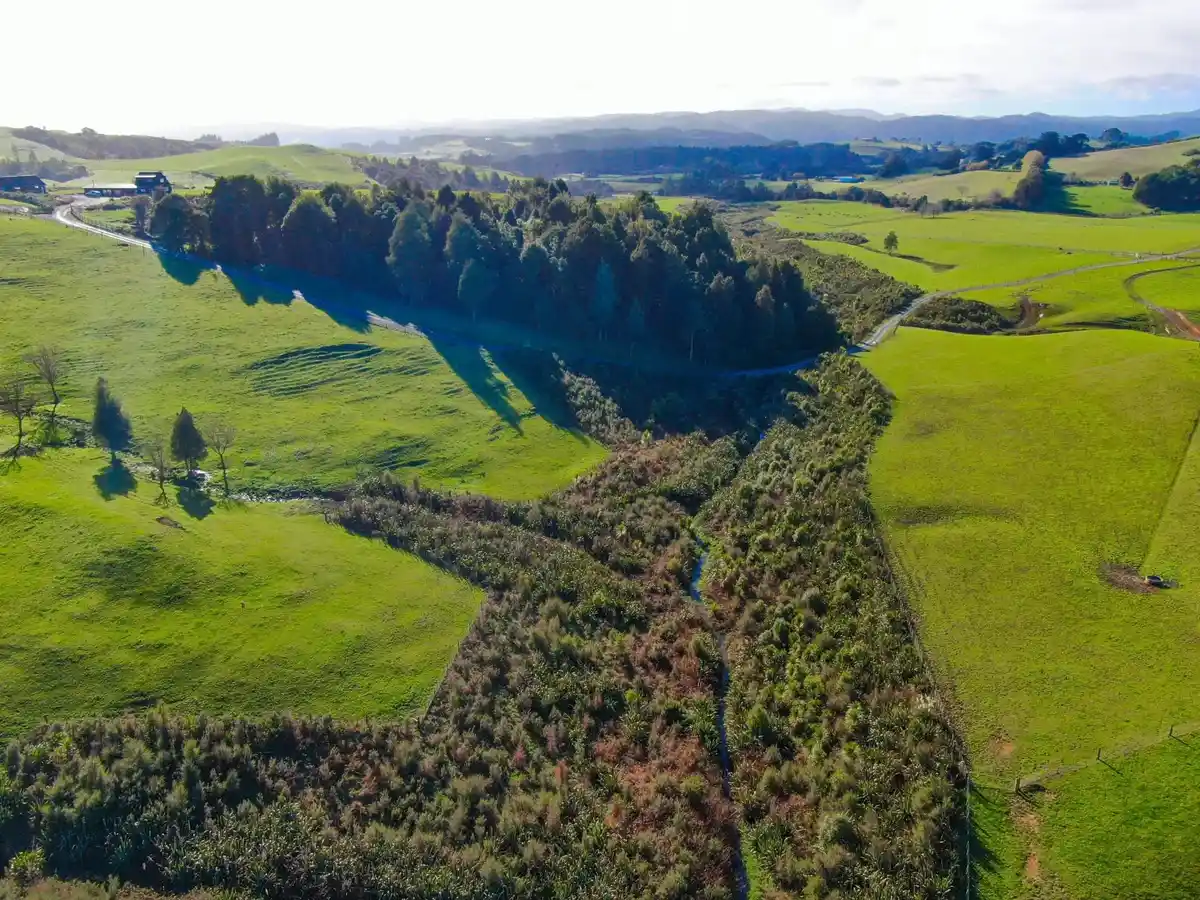
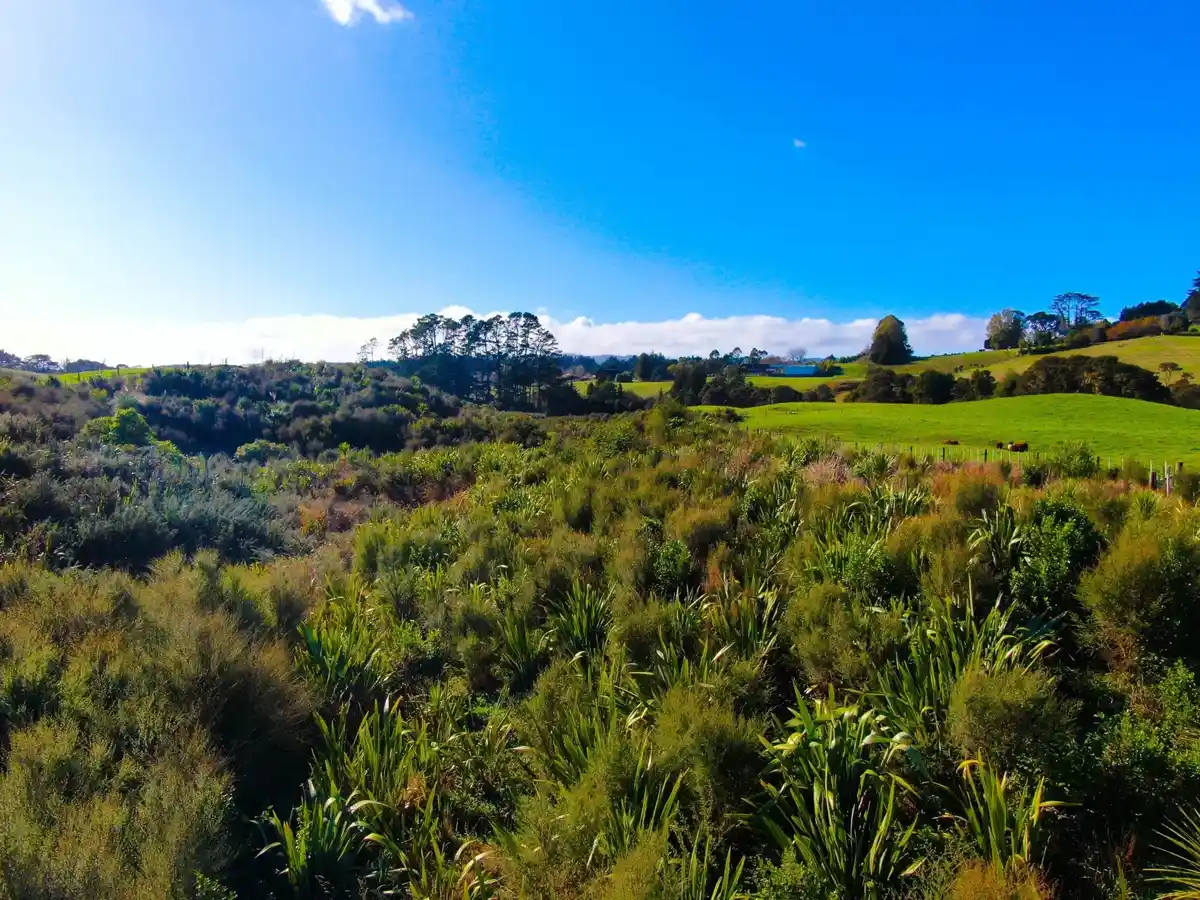
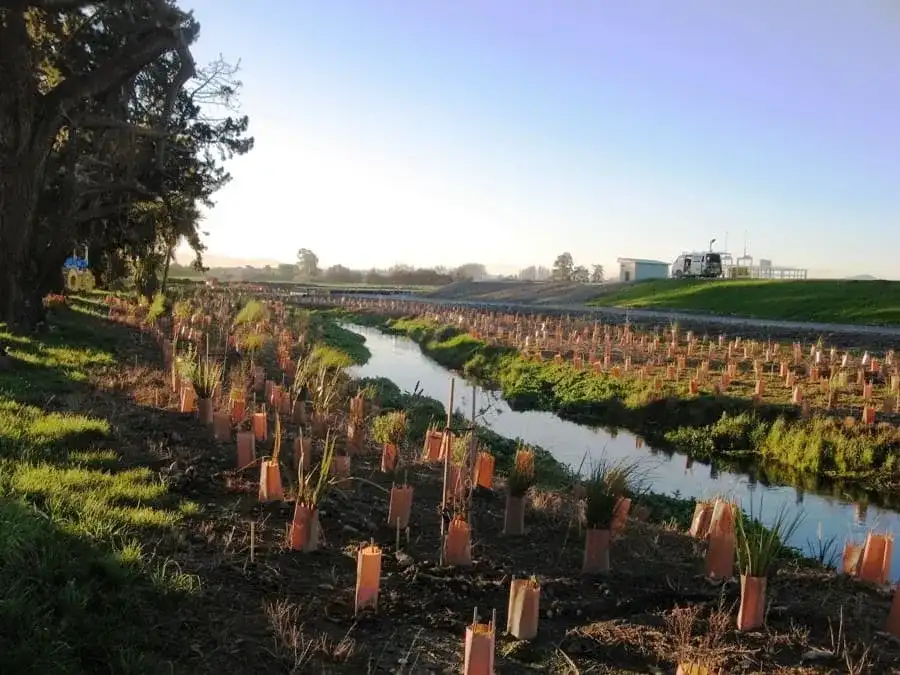
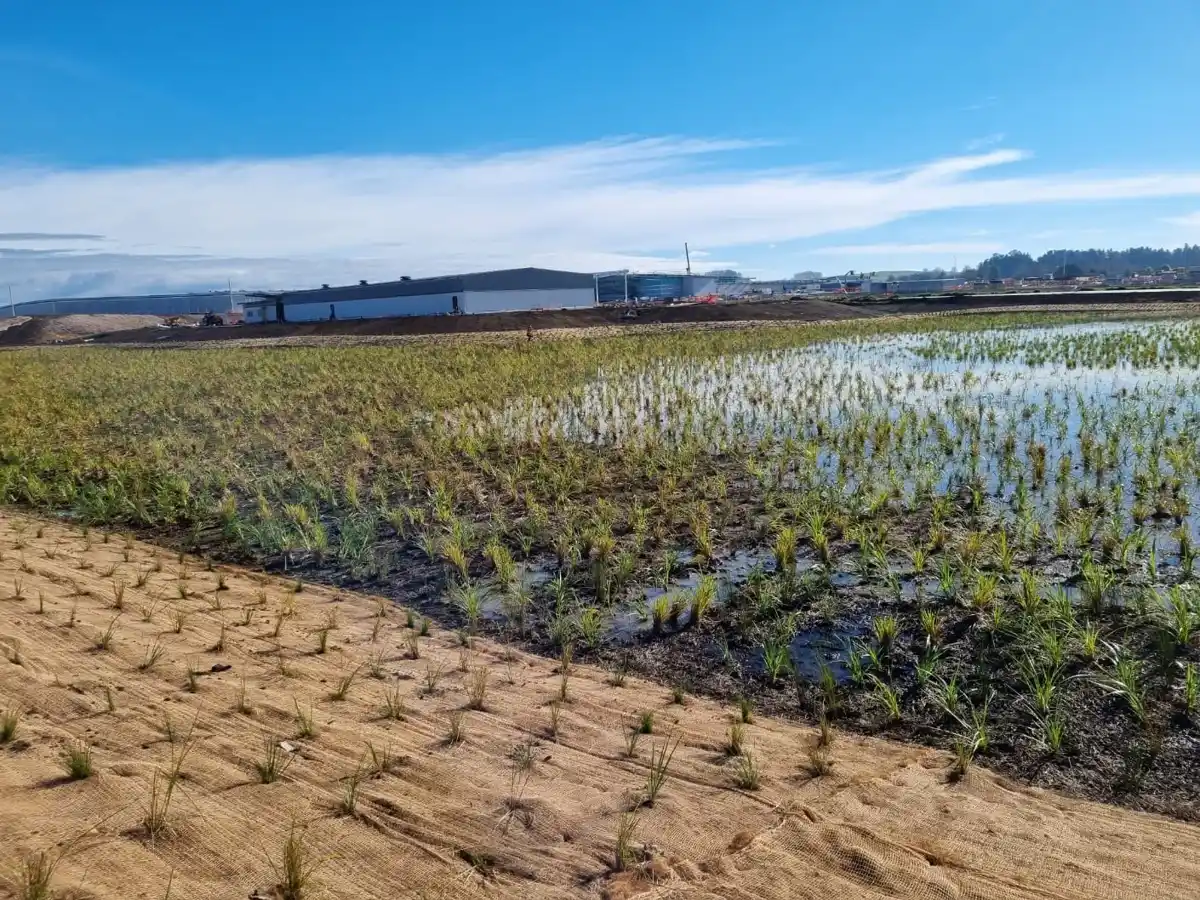
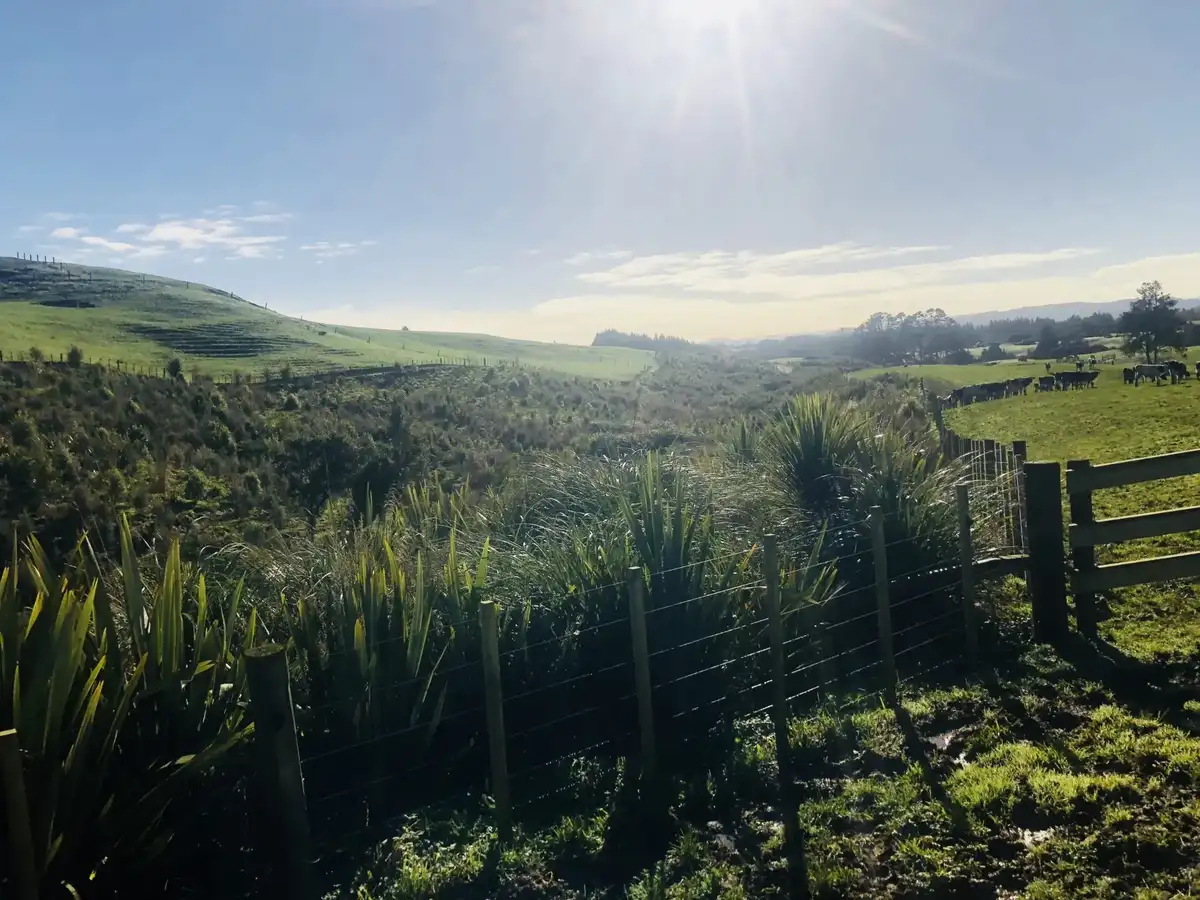
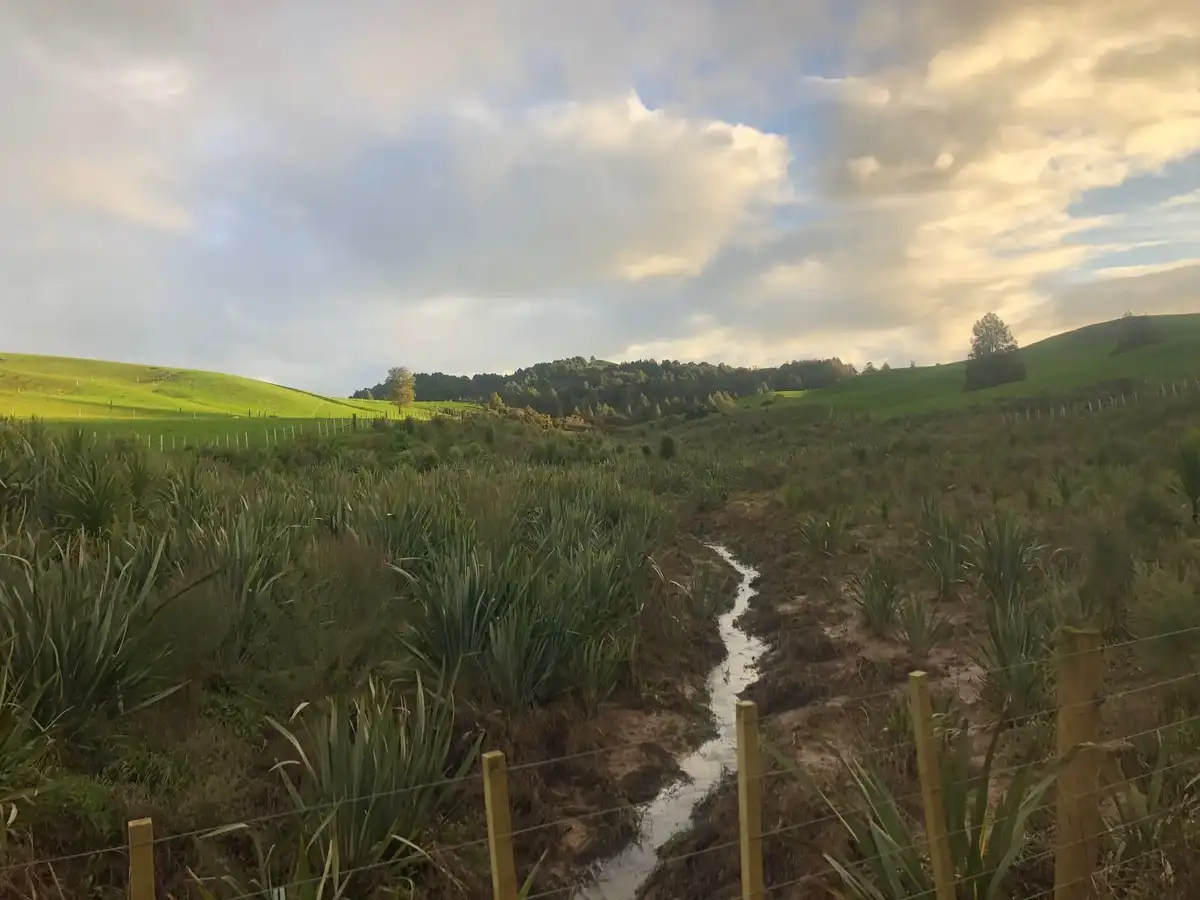
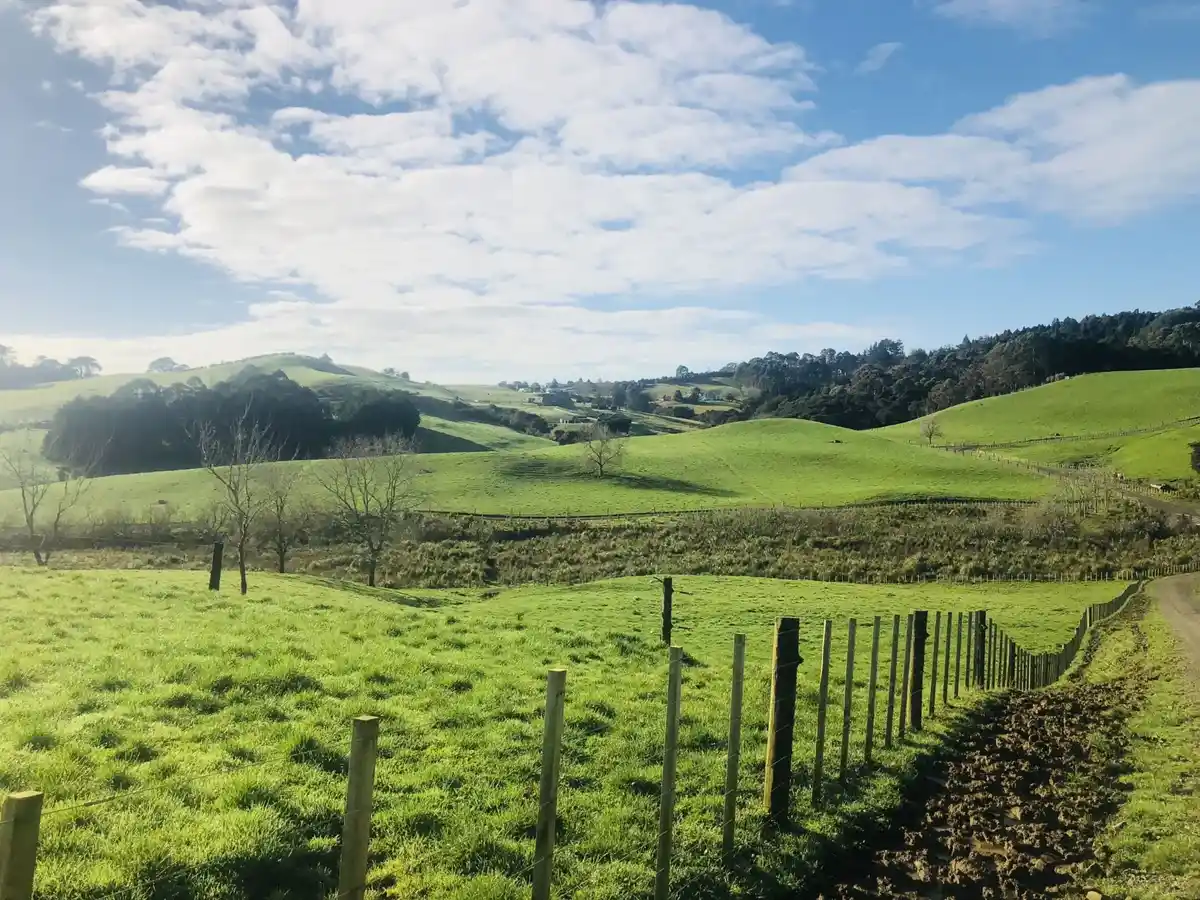
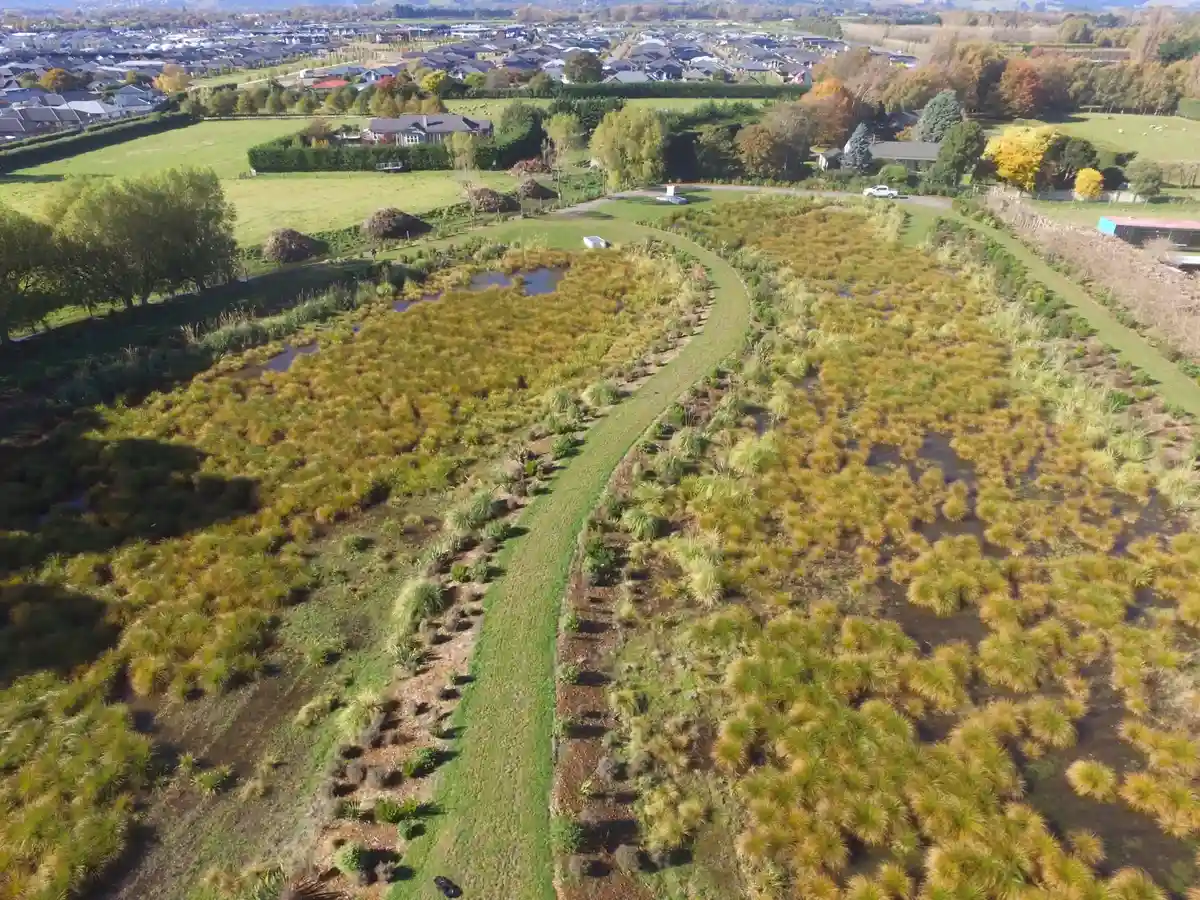
The riparian margin is where land and water meet, and most runoff passes over or through its soil and vegetation before it reaches a stream, lake or estuary. Planted properly, that margin moderates water temperature and light, filters sediment and nutrient, stabilises the bank and buffers the adjacent land use. Planted badly, it does none of those things and still costs the same.

Wetland and riparian work also carries a regulatory dimension that ordinary landscape planting does not. Works in and around natural inland wetlands are regulated nationally, and riparian planting is frequently a consent condition attached to a subdivision, a stormwater device or a farm plan. Knowing what the condition actually requires — and what evidence it will be audited against — matters as much as knowing the species list.

We work the whole sequence: site preparation, spray and noxious weed control, fencing to keep stock out, supply and planting, and maintenance through to canopy closure. Canopy closure is the point at which the planting becomes self-sustaining and weed pressure drops away. Walking off before it is reached is how riparian projects fail two years after they were signed off.

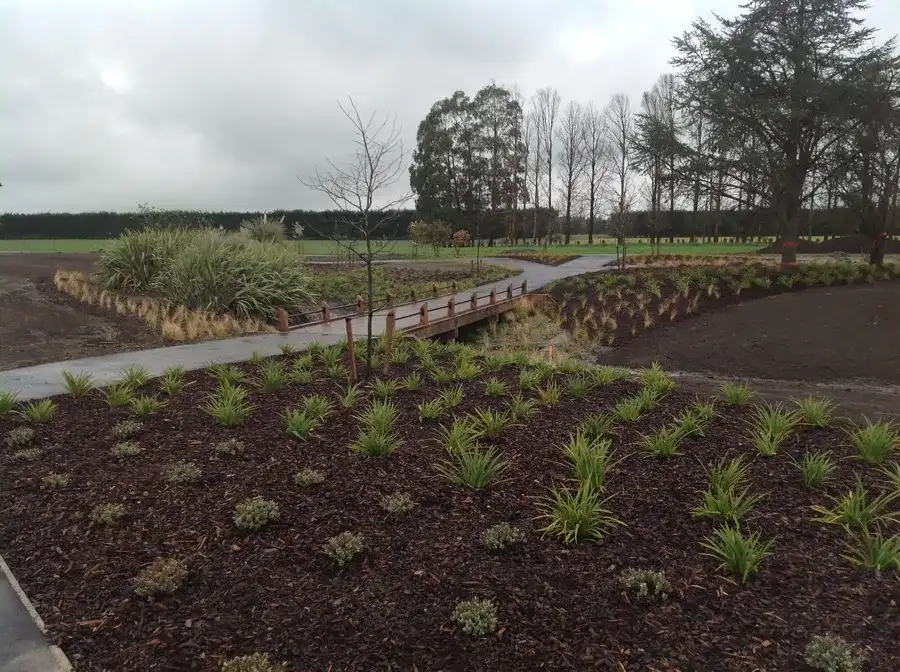
Whether it is restoring an existing wetland, planting a newly formed stormwater catchment in a subdivision, or delivering a riparian margin under consent, we can take it from bare ground to closed canopy.

Street Tree Planting

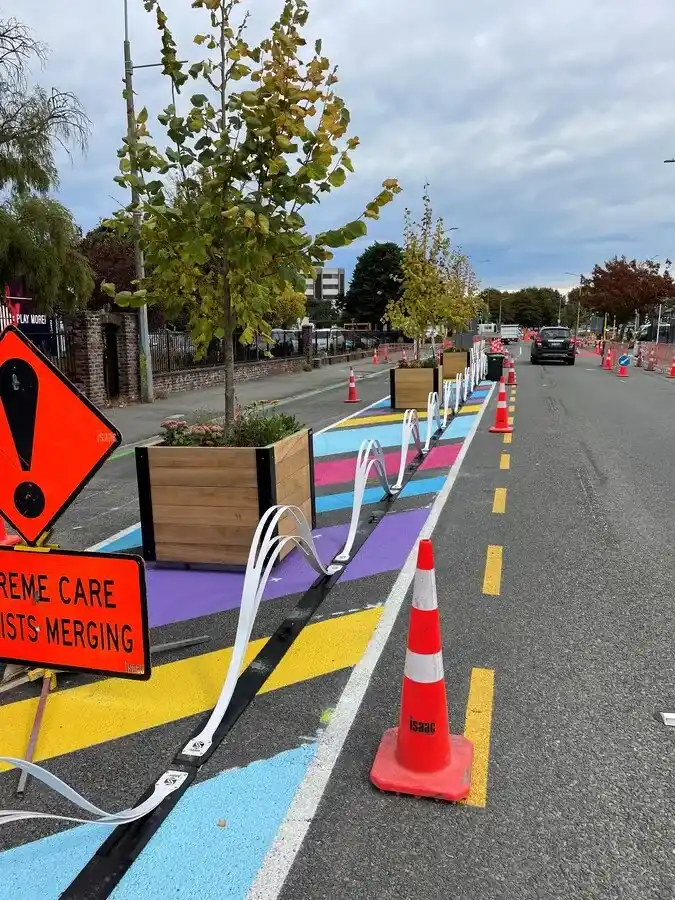
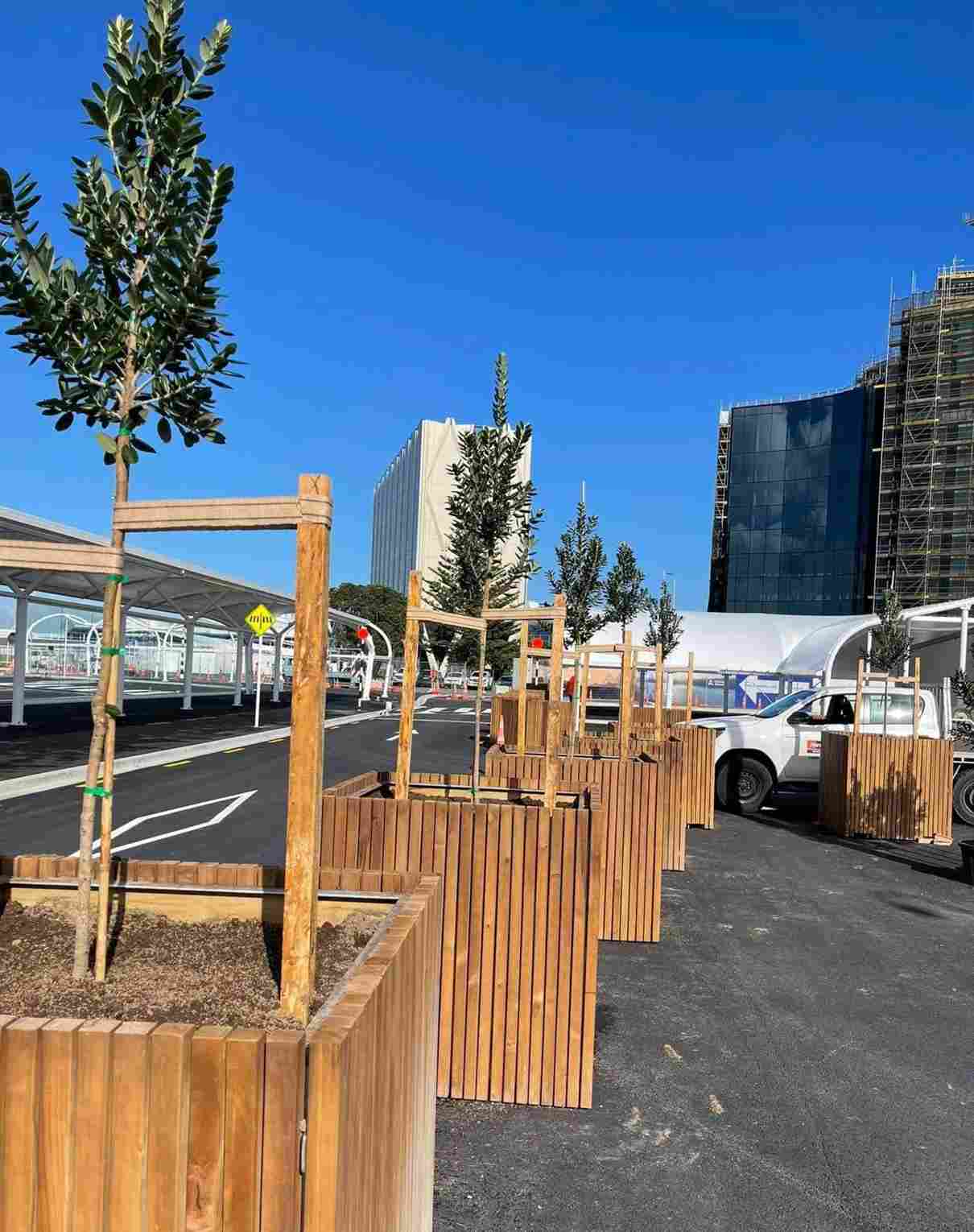
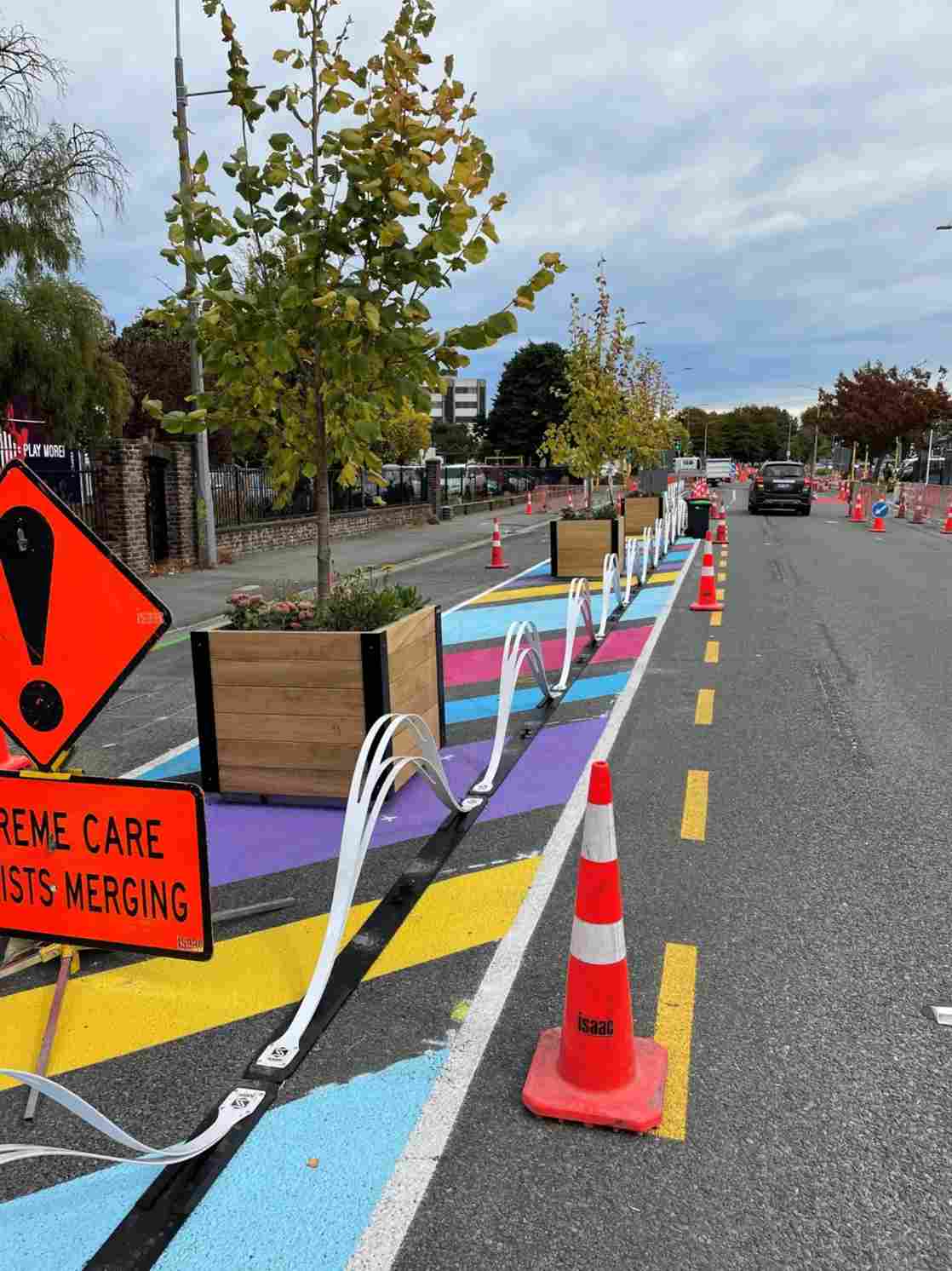
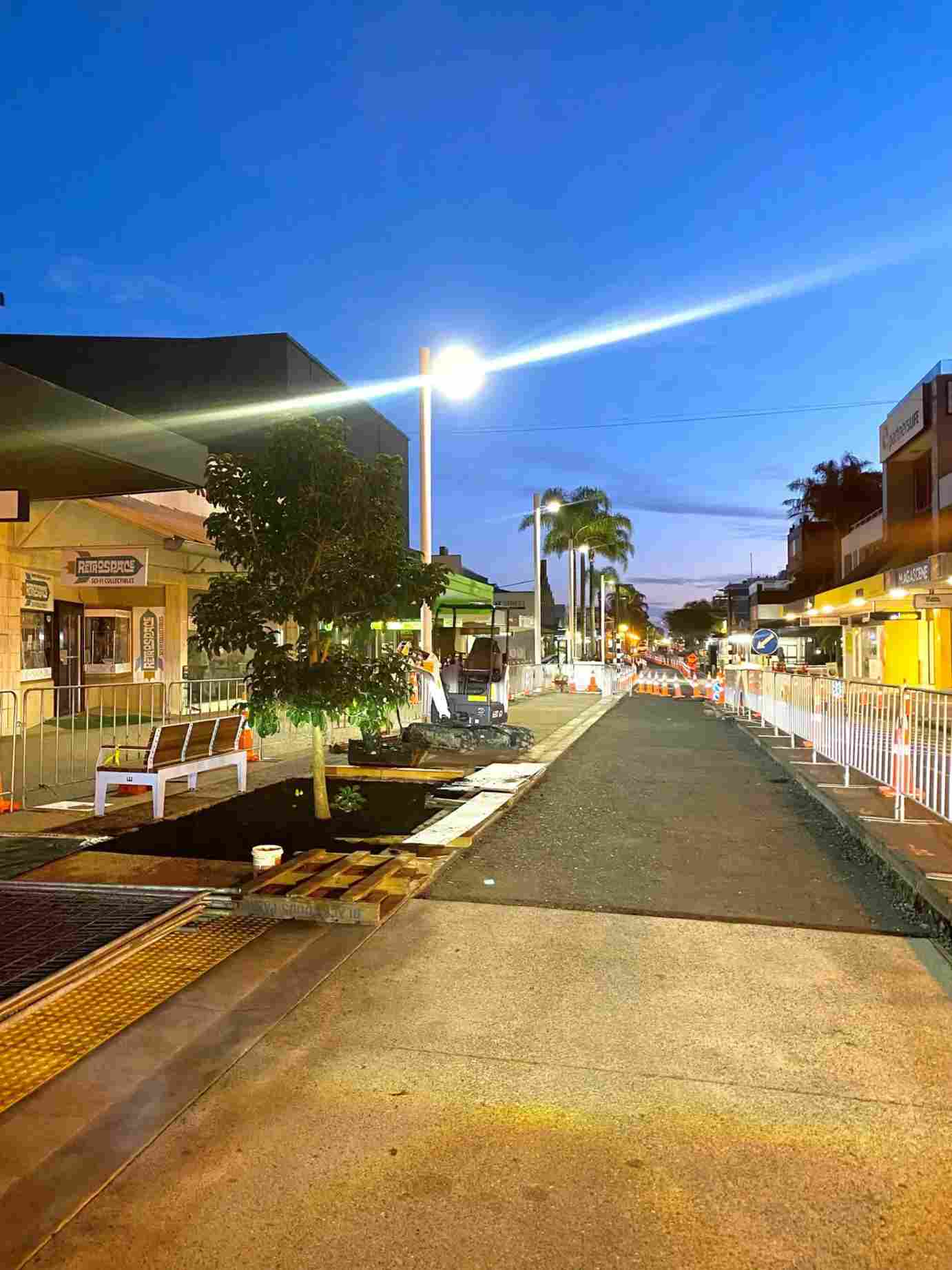
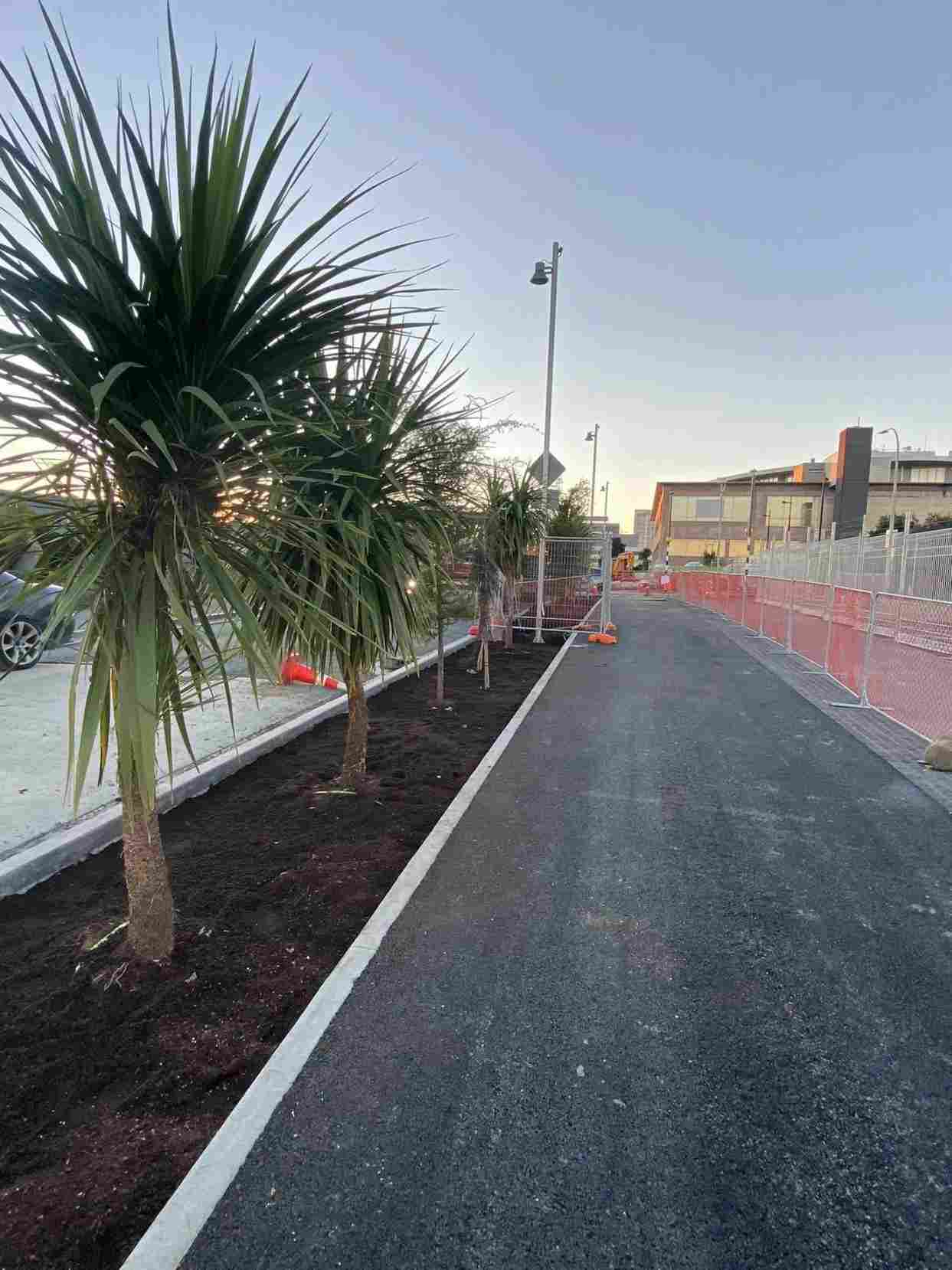
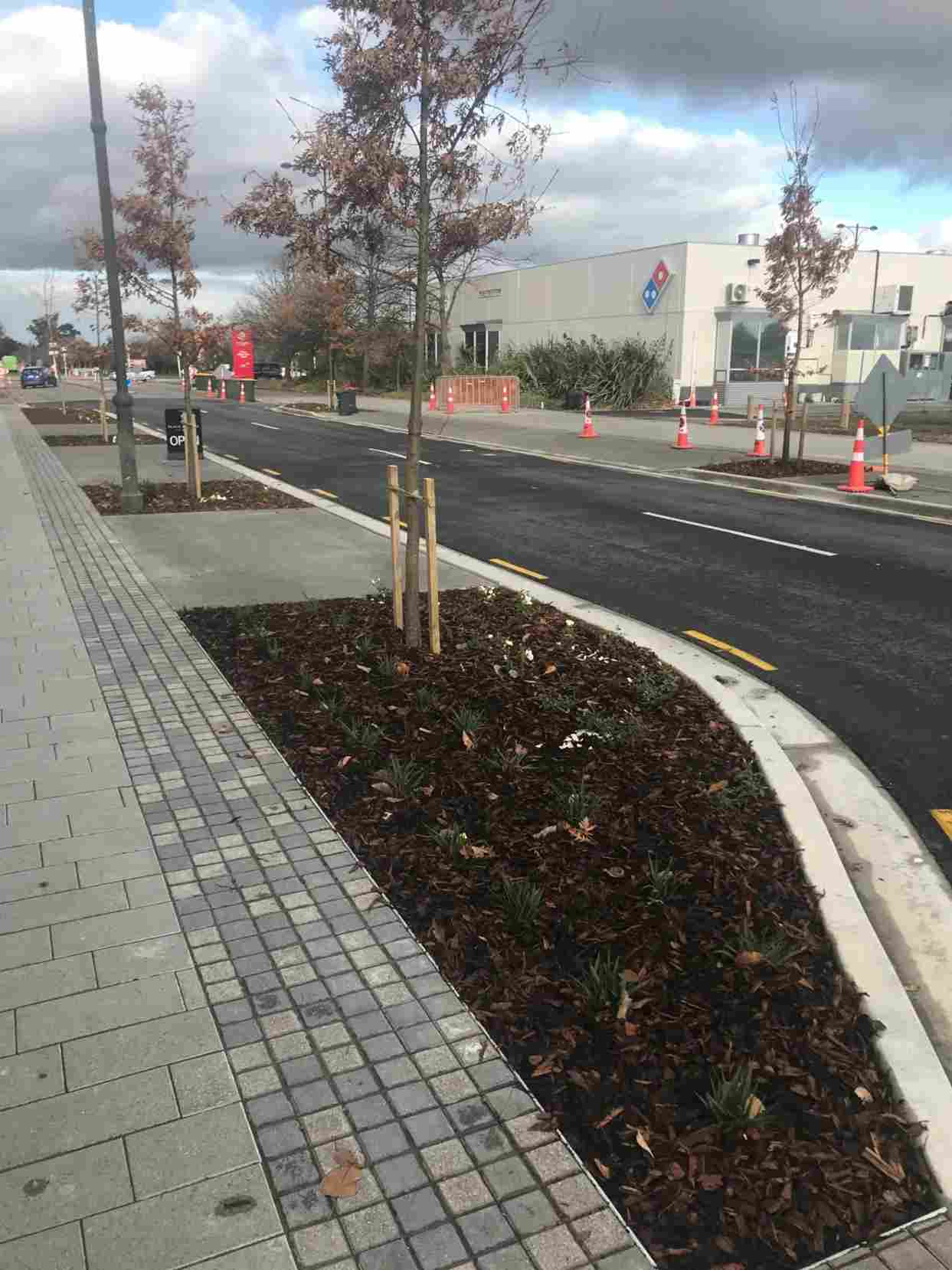
With new developments and streetscape upgrades come new street trees. We have the machinery, the technical experience and the horticultural knowledge to deliver the full range.

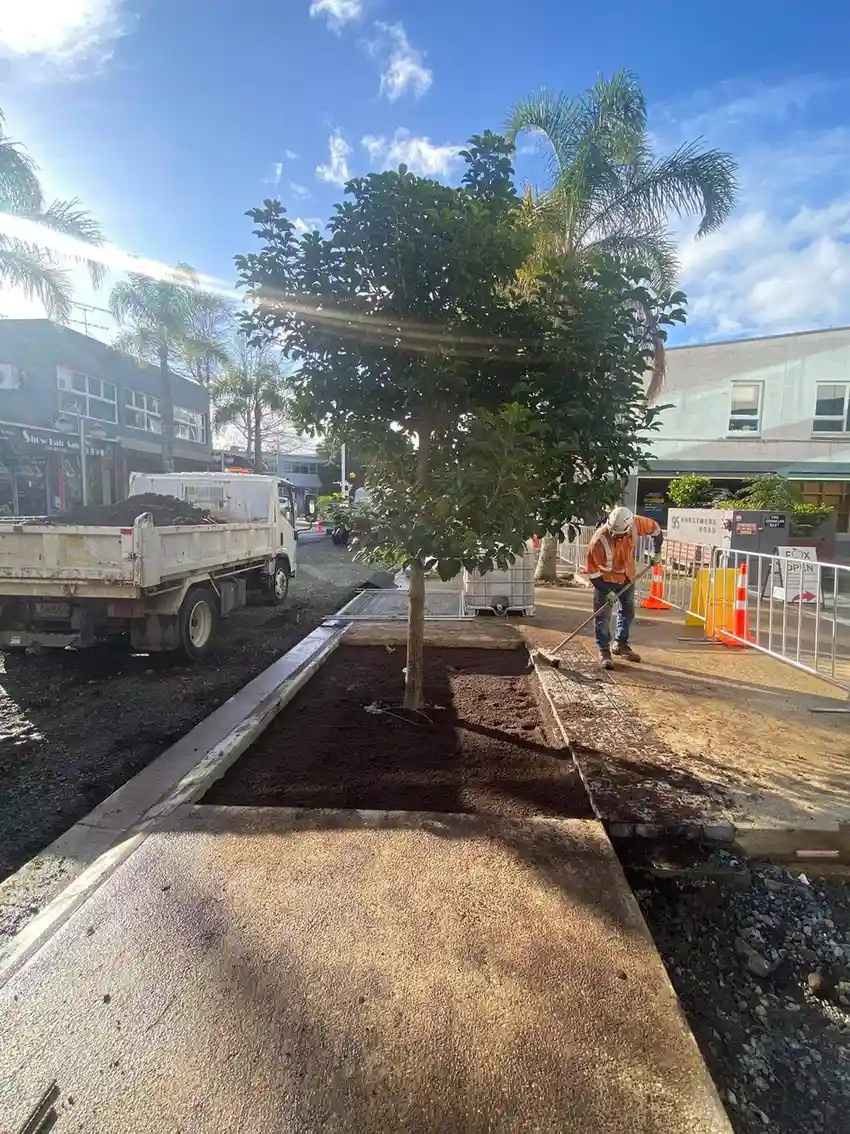
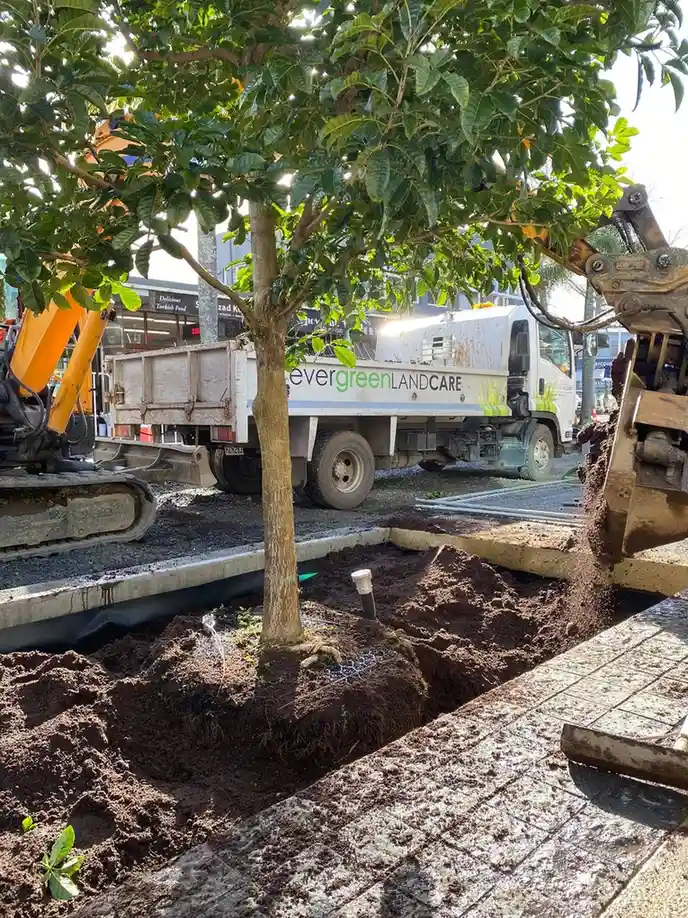
From 45L grade street trees through to 1000L grade specimens — including trees requiring specialist strata cells, rootball anchor systems and detailed drainage design. Excavation, drainage and connection, engineered media backfill, supply and installation, delivered safely and to programme in live street environments.

Street tree work is as much a civil job as a horticultural one. The tree is the visible part; the pit, the media, the drainage and the anchoring are what determine whether it is still alive and upright in ten years.

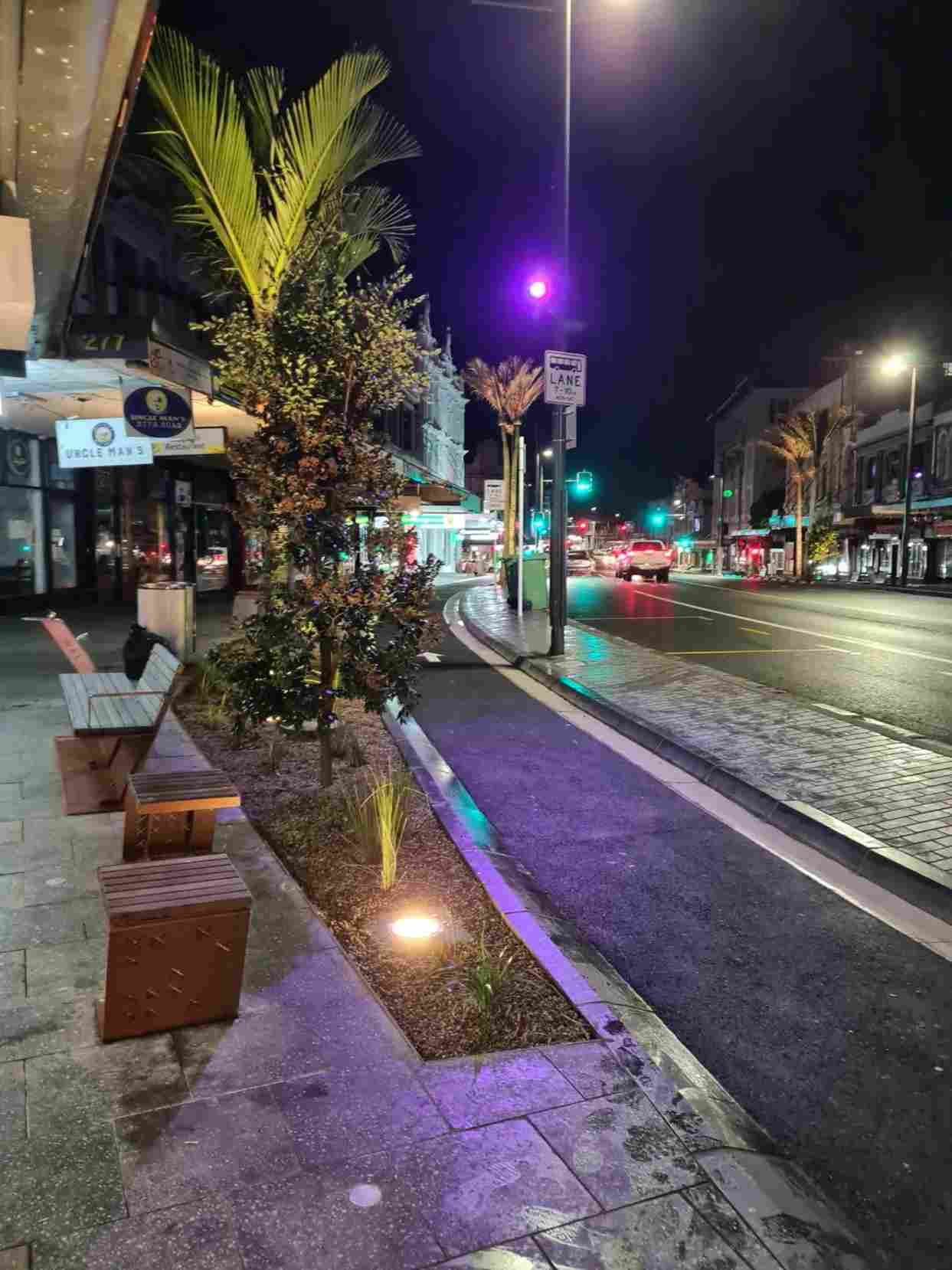
Recent projects include Karangahape Road and Hurstmere Road in Auckland, the Hamilton Transport Hub, Navigation Heights in Wellington, and Ferry Road in Christchurch.

Mechanical Planting

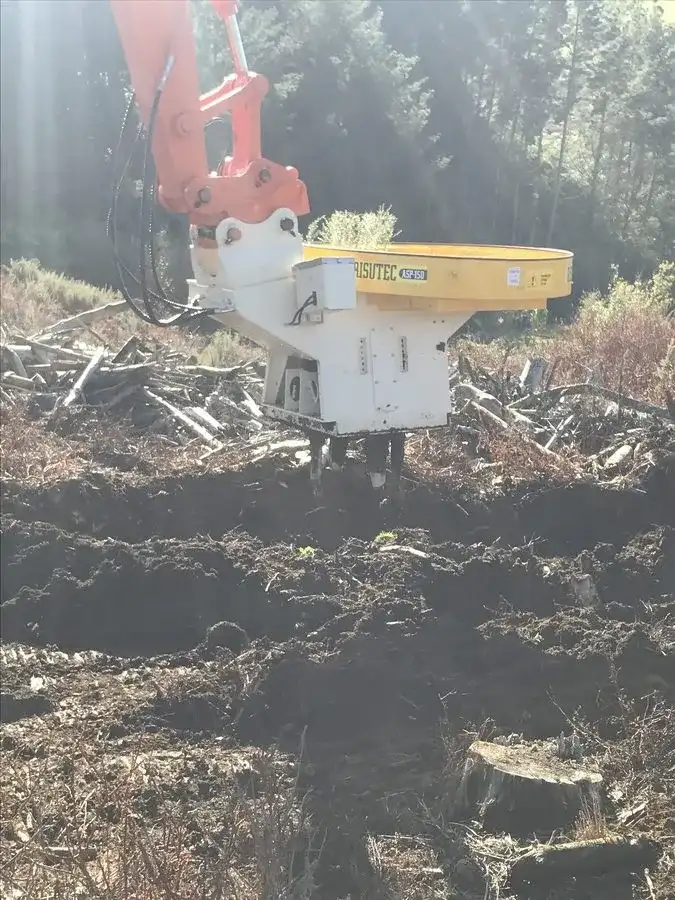
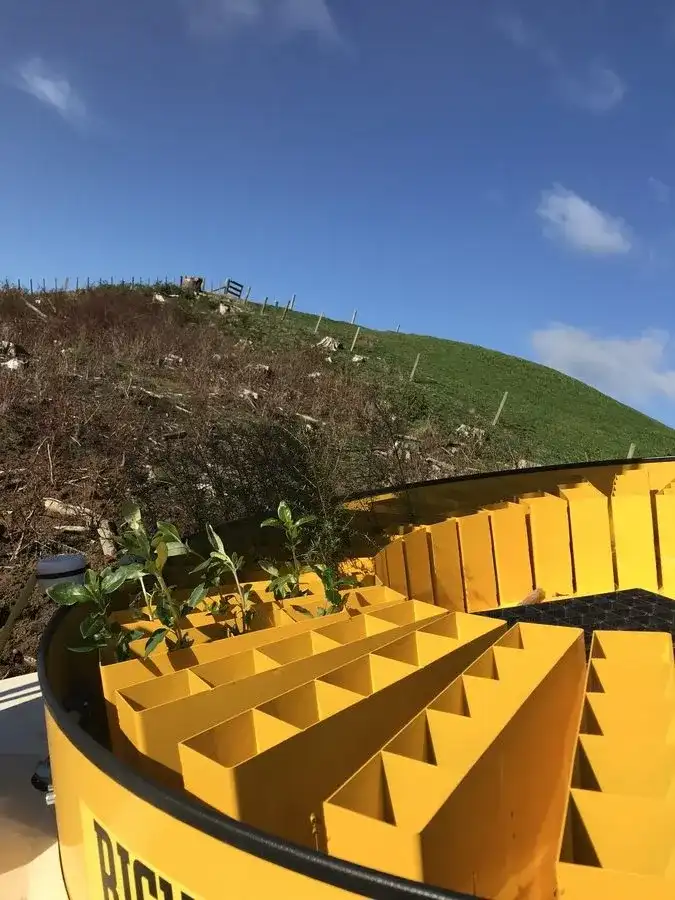
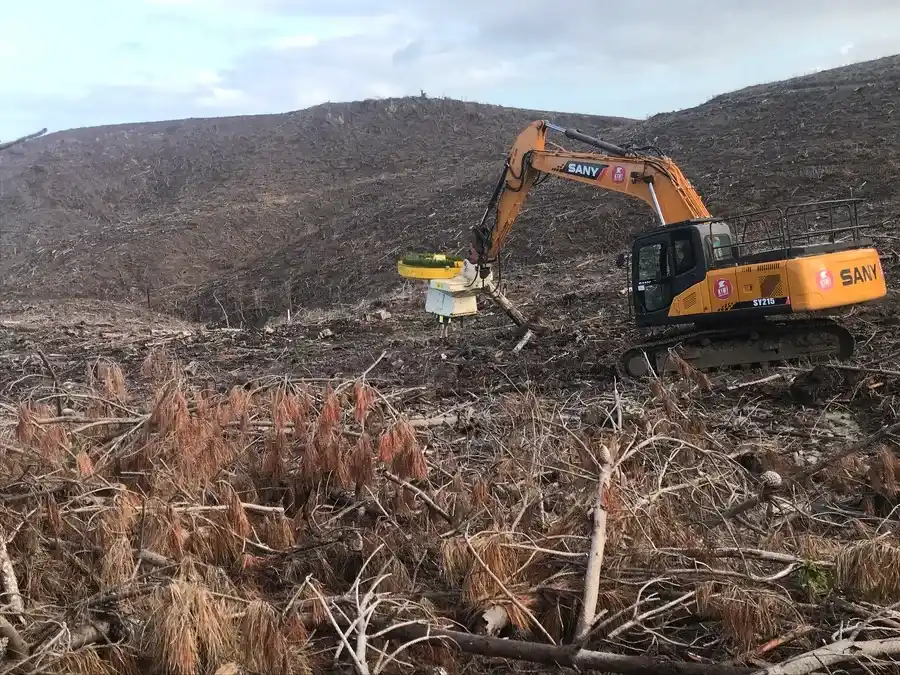
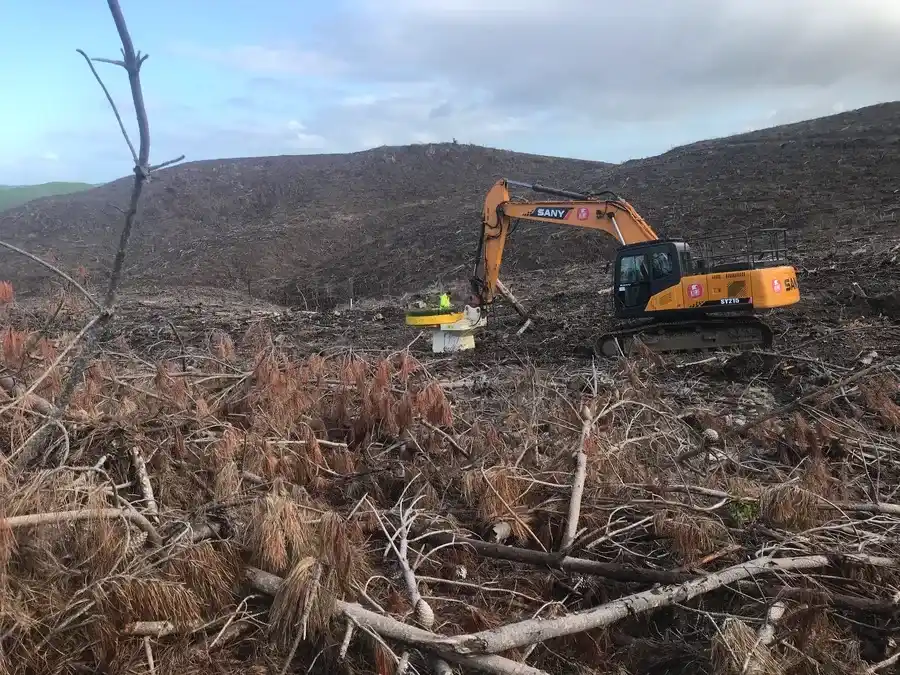
Mechanical planting: around 2,000 plants a day

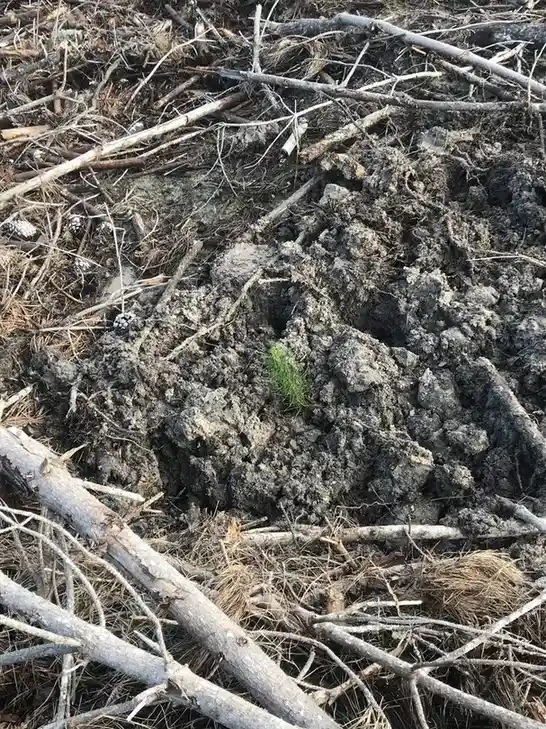
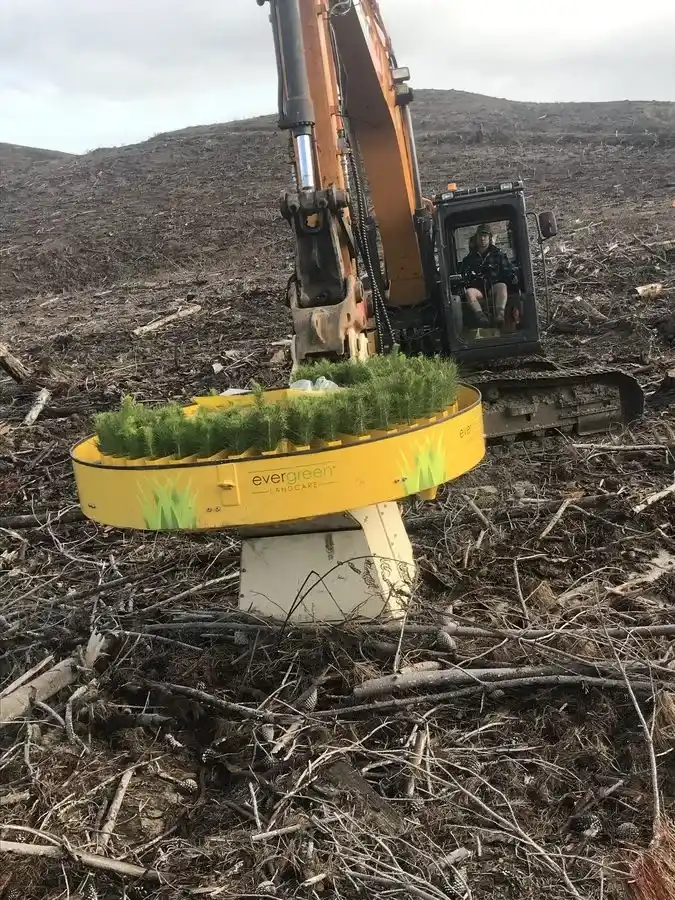
Our mechanical planting head is imported from Europe and mounted on an excavator. In one pass it cultivates the soil, digs the hole, applies fertiliser and places the plant. It puts around 2,000 specimens in the ground per day, and it does the two-thousandth as accurately as the first — no fatigue, no drop-off in hole depth or spacing late in the shift.

On a large revegetation or forestry contract that changes the arithmetic. Hand planting rates fall through the day and through the season; machine rates do not. It means large areas can be planted inside a narrower weather window, which on winter-planted sites is often the difference between meeting the season and carrying plants over.

It suits open, machine-accessible ground with volume to plant — revegetation blocks, forestry, large mitigation areas and corridor work. Where access is tight, ground is too steep, or plant spacing has to follow a detailed landscape plan, hand planting is still the right answer and we say so. As with everything else we do, the specification follows the site.

Contact Us