civil-commercial-landscaping

Drainage Works — Tree Pits and Rain Gardens

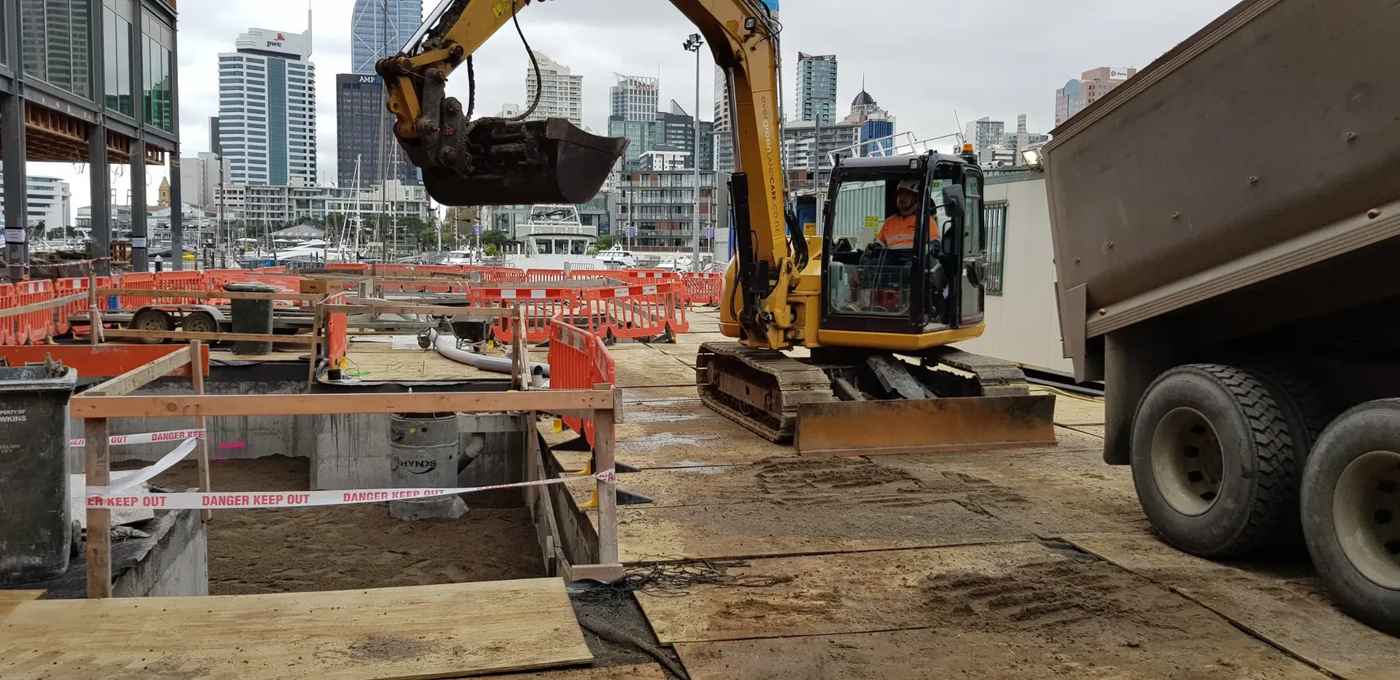
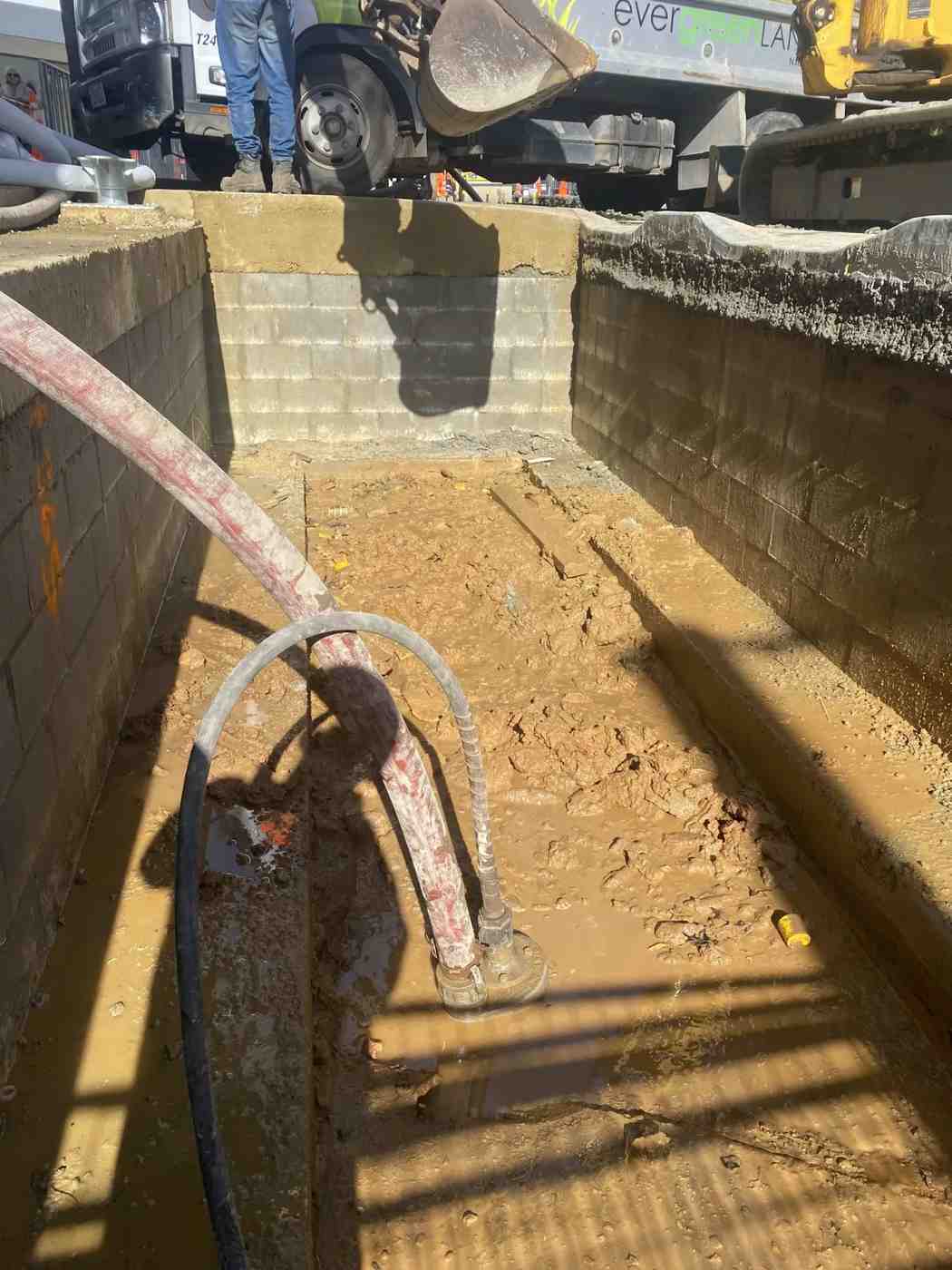
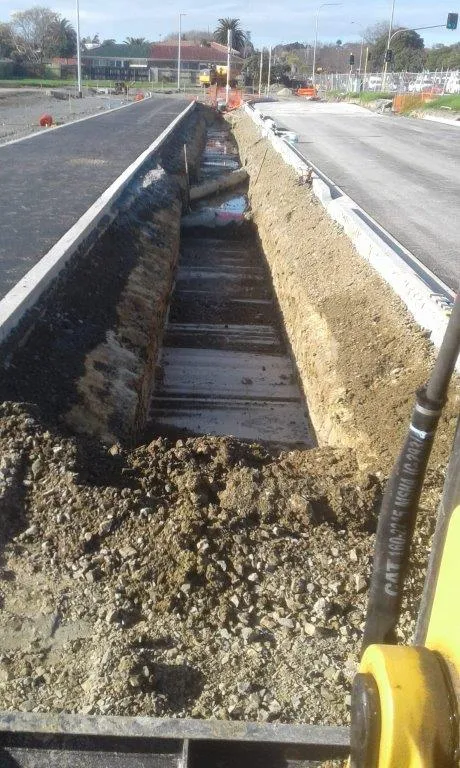
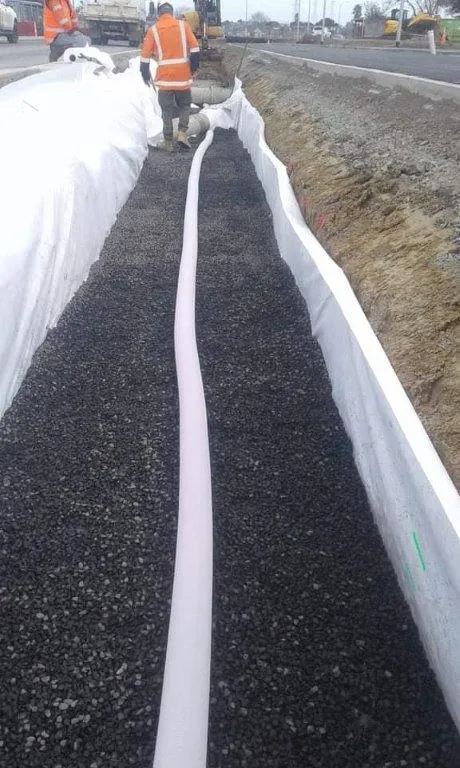
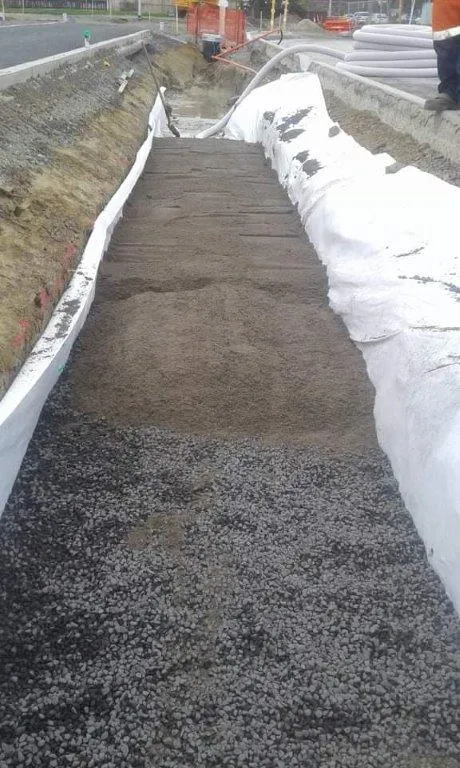
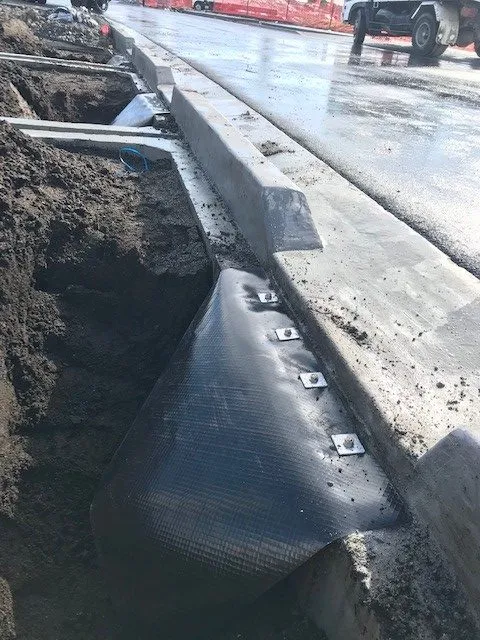
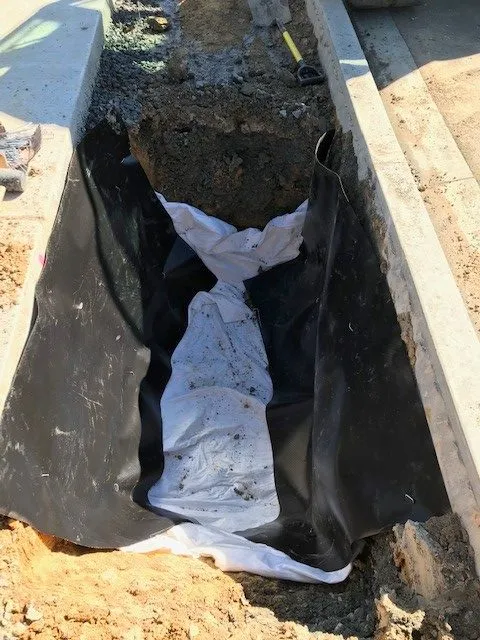
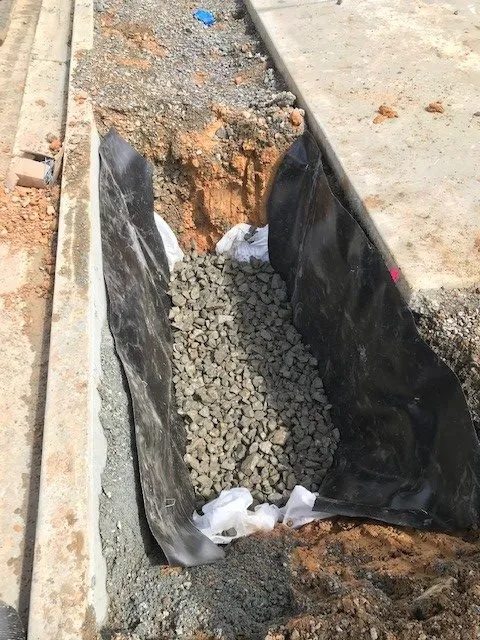
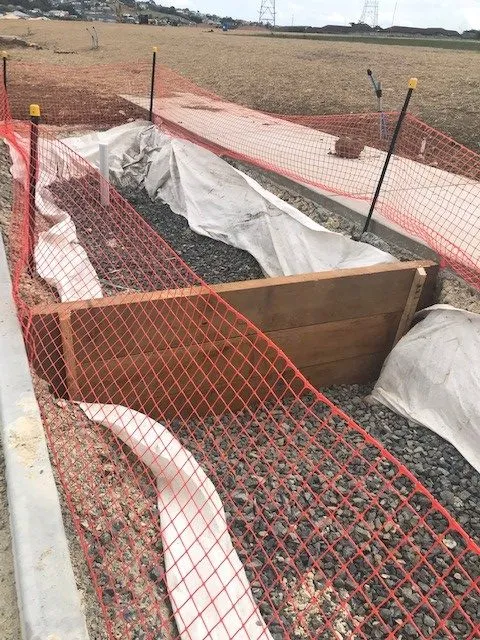
Every one of these devices is drainage before it is landscape. A rain garden, a tree pit and a swale are all ways of getting water somewhere it can be treated and released safely, and they only work if the drainage underneath them does. That means the levels, the falls, the subsoil drainage, the outlet connection and the media all have to be right before anything is planted. It is civil work with plants on top, and it fails in civil ways — blockage, ponding, media compaction, an outlet that was never connected properly — long before it fails horticulturally. We install the full drainage package: subsoil drainage, drainage layers and media, outlet and stormwater connection, and the treatment devices themselves. One contractor for the drainage and the planting means nobody is arguing at the interface about whose fault the ponding is.


Tree pits, rain gardens and swales all do two jobs at once: they treat stormwater before it reaches a waterway, and they support the trees and plants growing in them. Built properly they remove contaminants, reduce runoff volume and irrigate the planting. Built badly they block, fail, and kill the tree.

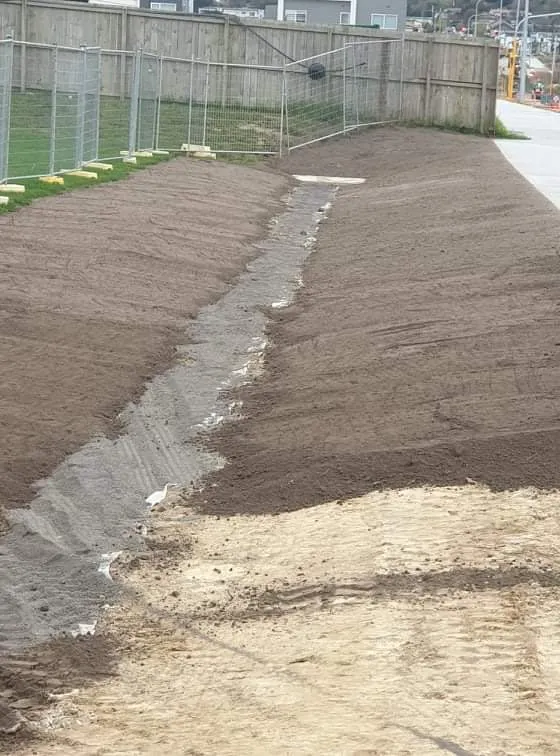
Rain Gardens

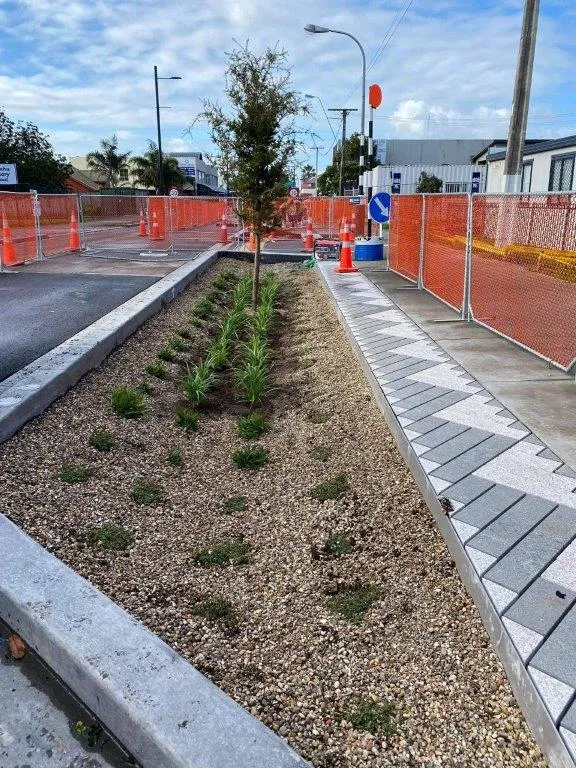
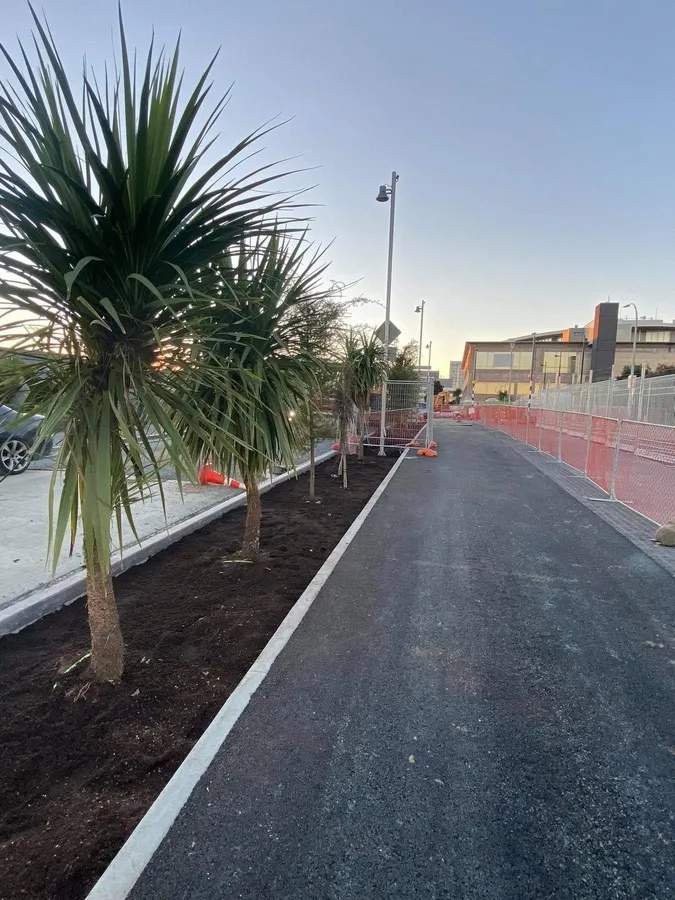
Urban development replaces permeable ground with sealed surfaces, and those surfaces collect the contaminants of ordinary city life before shedding them straight into the stormwater network. A rain garden is an engineered filtration medium — specified materials and plants that catch and hold those contaminants instead. They also soften hard urban space, which is why they turn up in streetscape upgrades as often as in stormwater designs.

Tree Pits

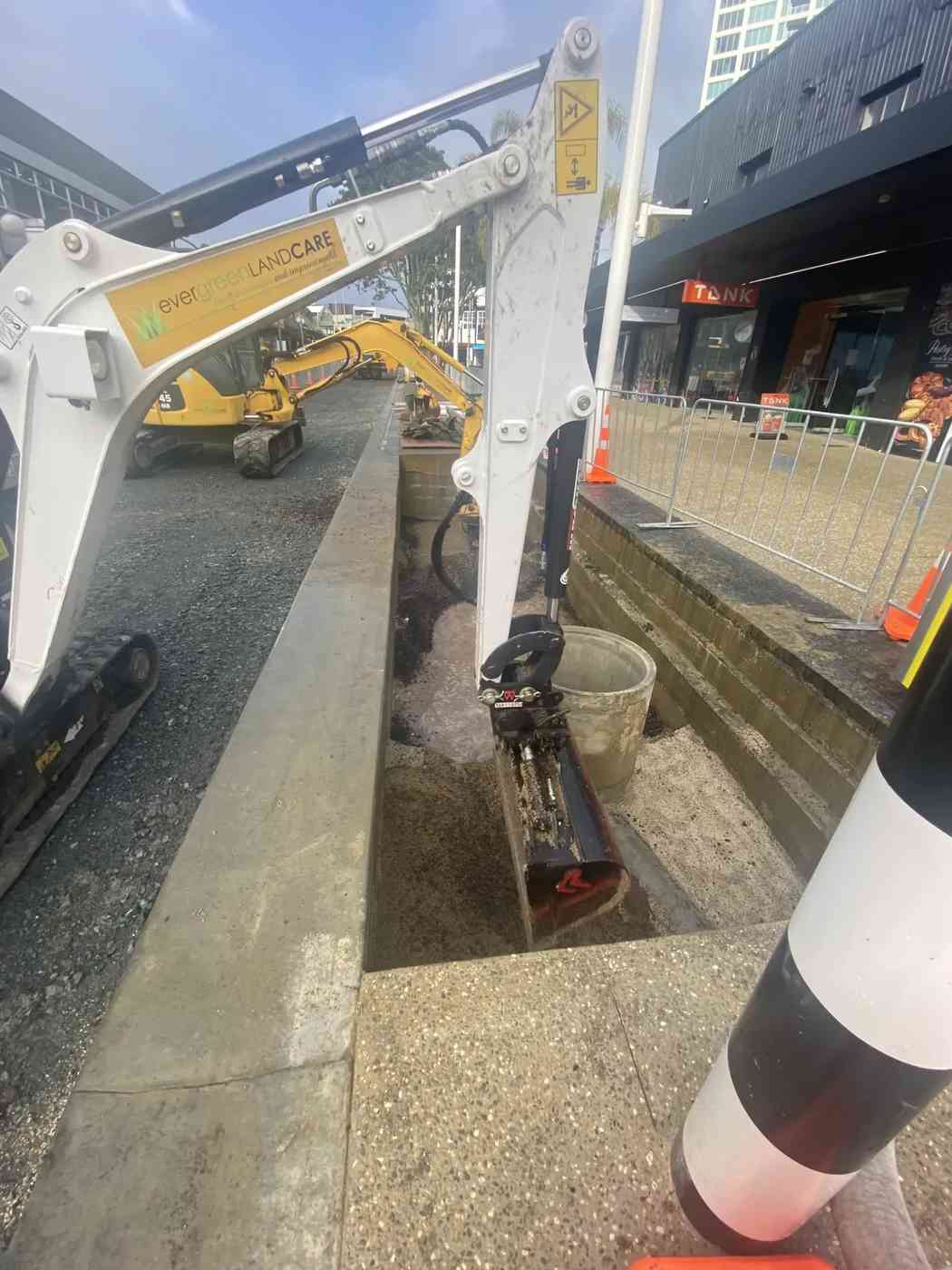
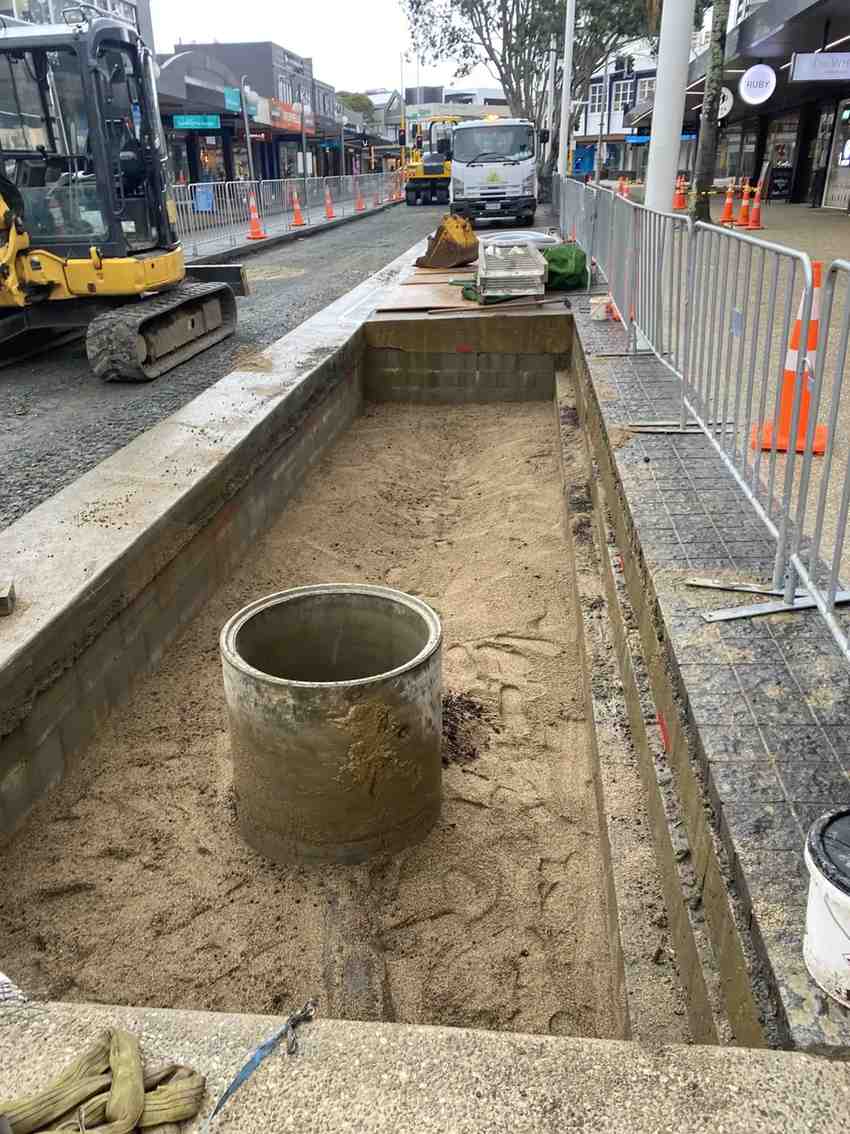
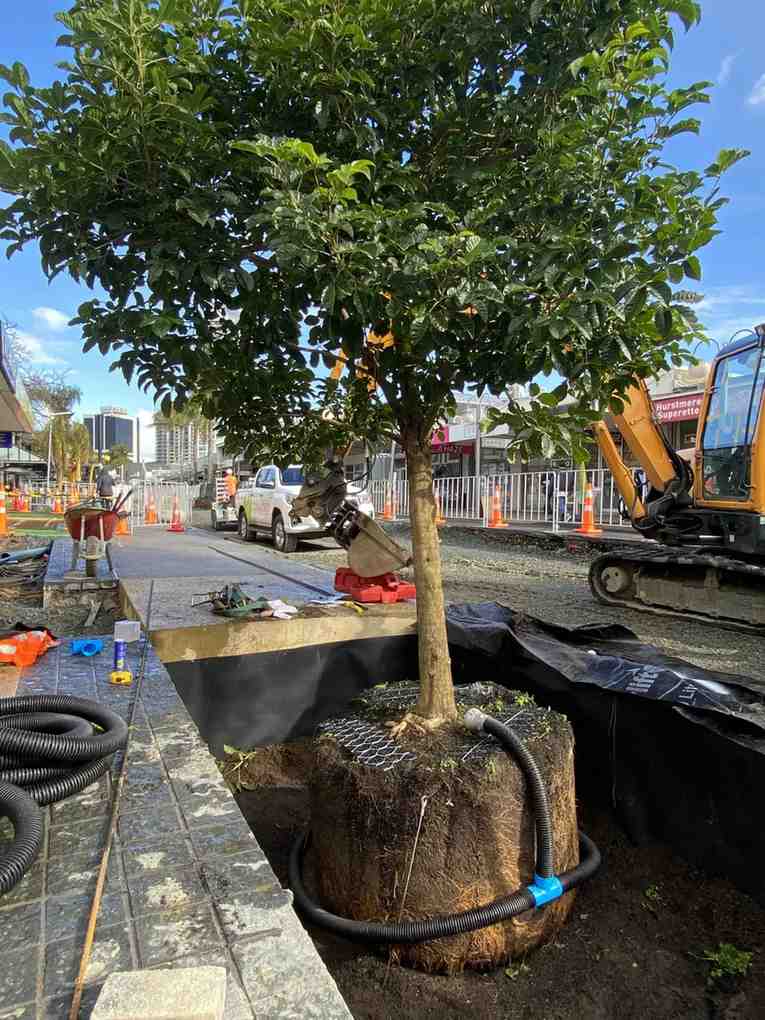
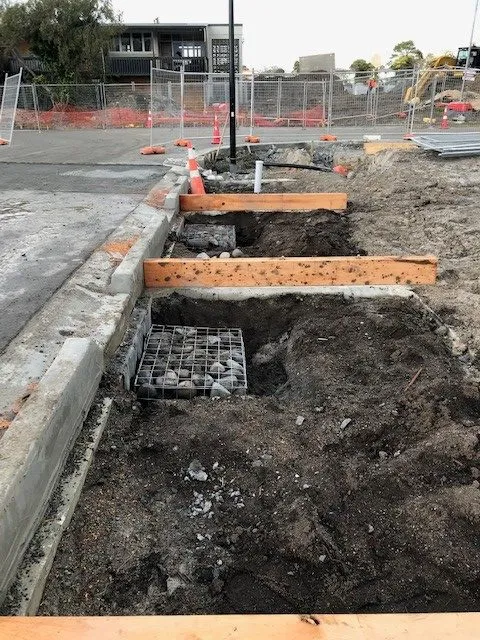
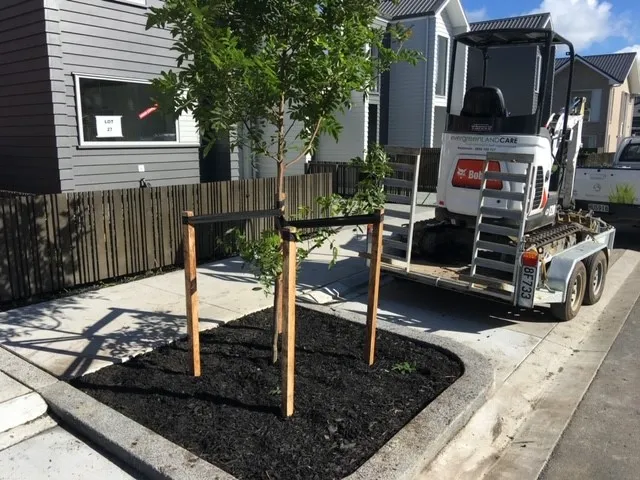
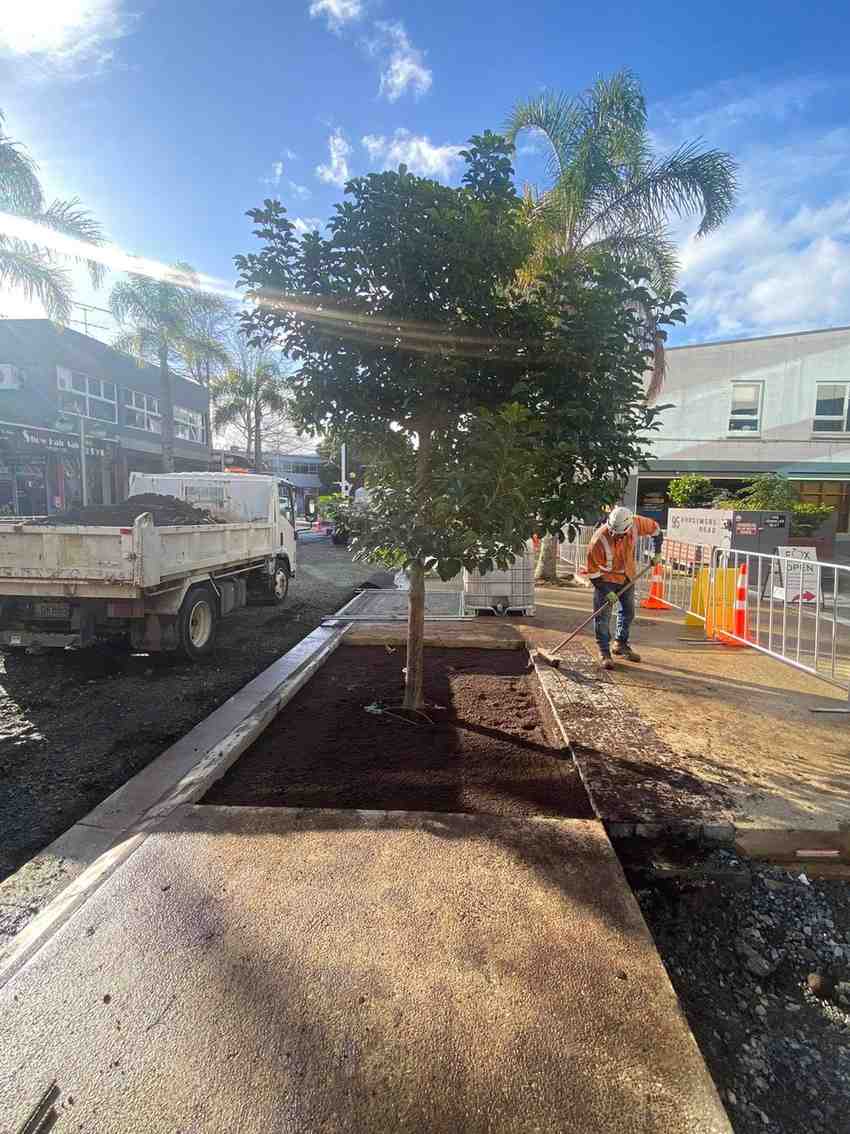
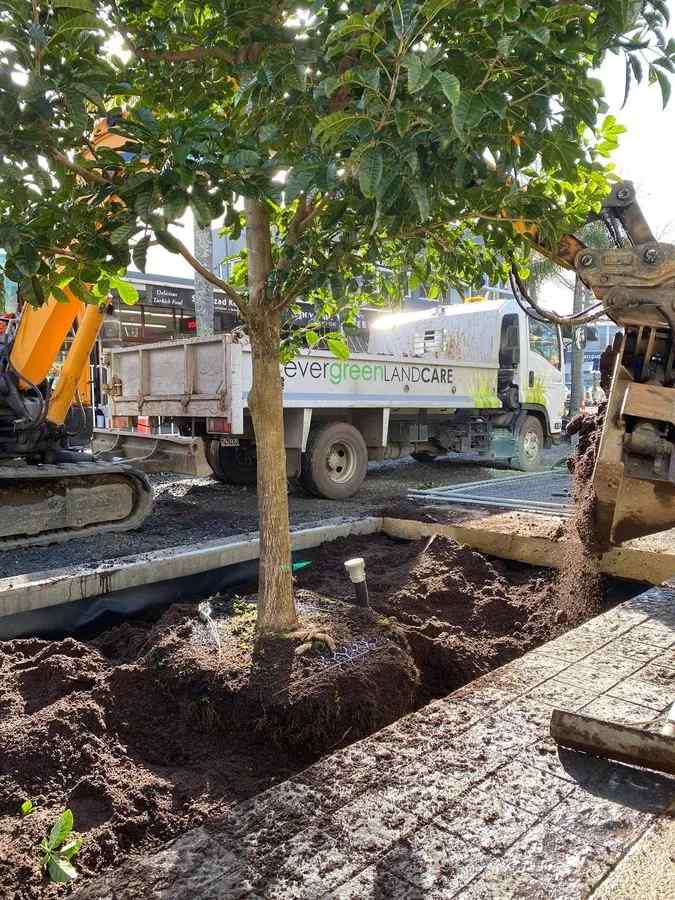
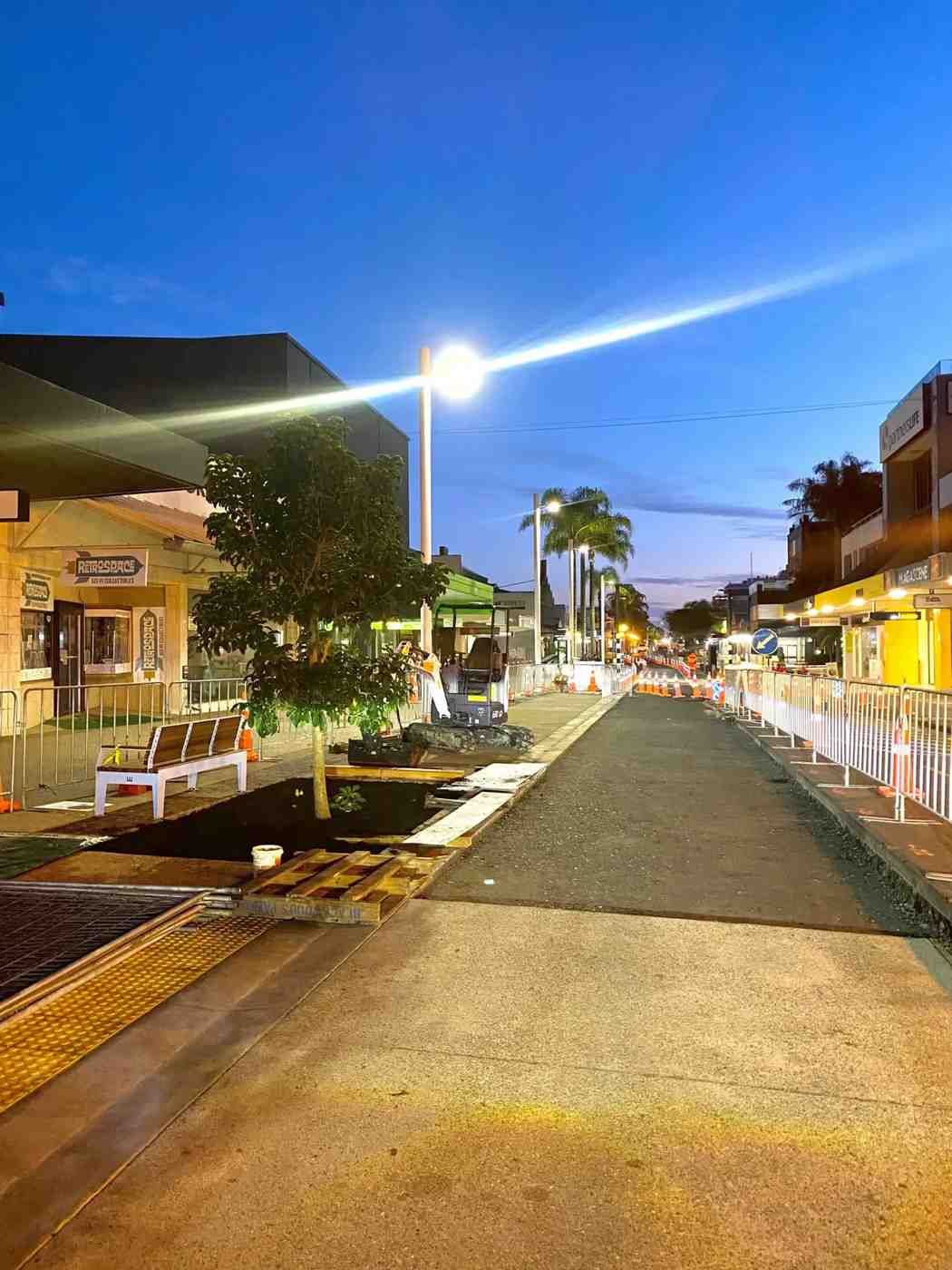
Where there is no room for a rain garden, a tree pit does the same filtration work in a smaller footprint, usually around a large specimen tree. What you see at the surface is a small part of the works — most of the construction is below the paving.

Auckland Council and most other authorities set specific requirements for how tree pits are designed, built and maintained. We build to those requirements as part of our streetscape work.

View Showcase
Hurstmere Road Upgrade

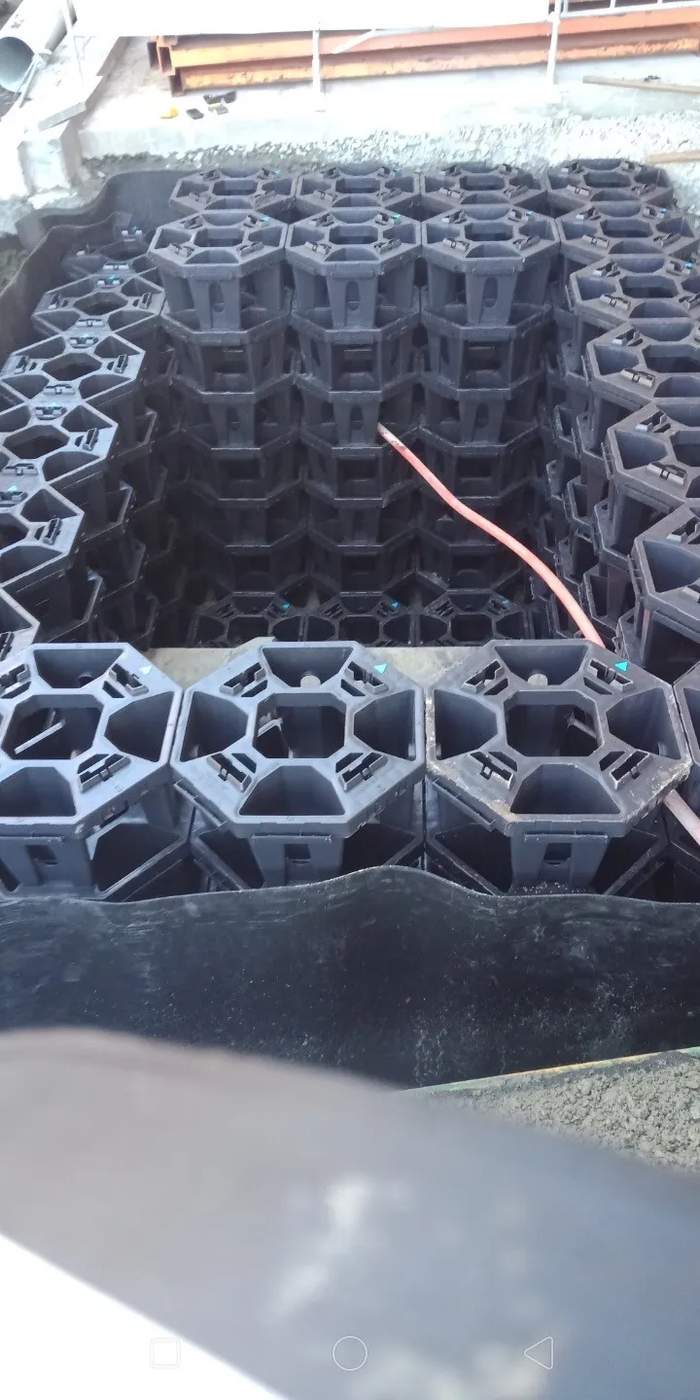
Strata Cells

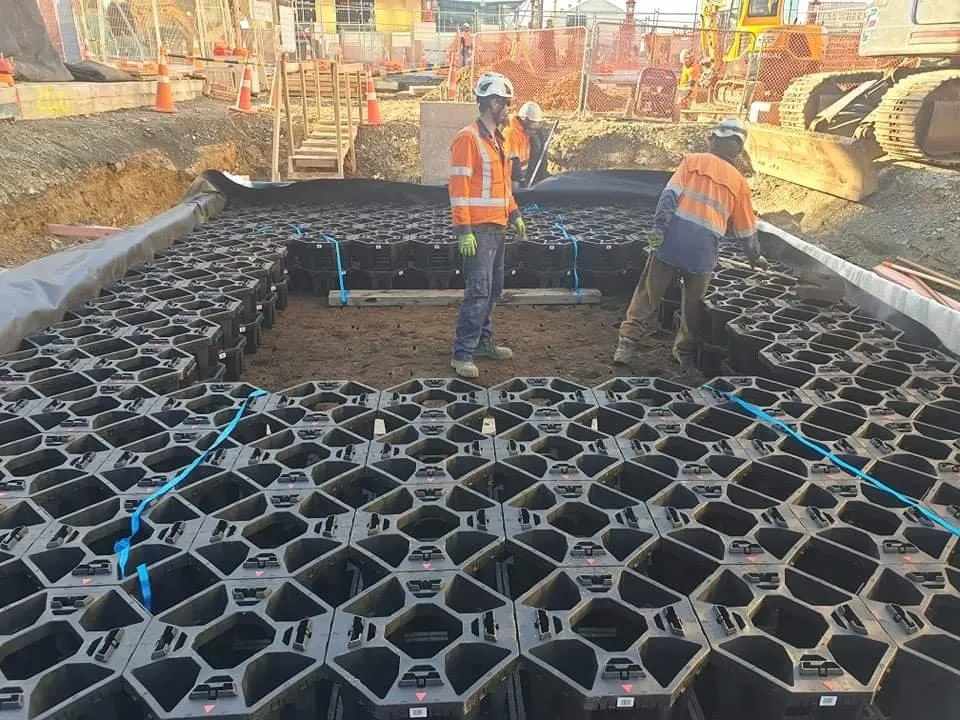
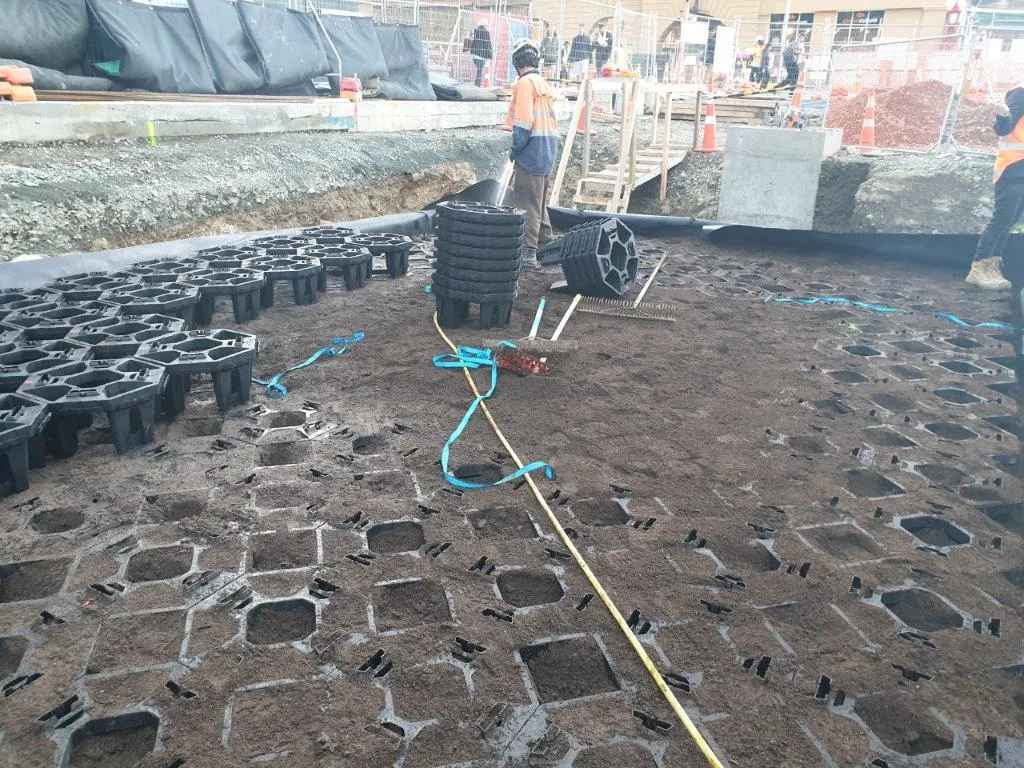
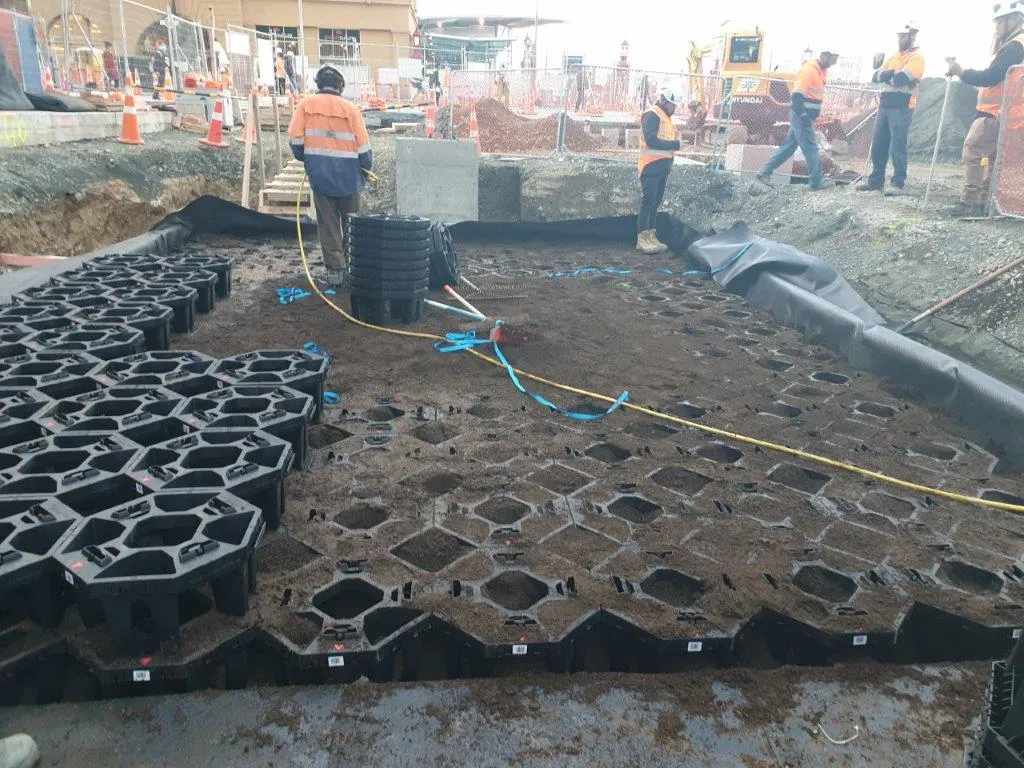
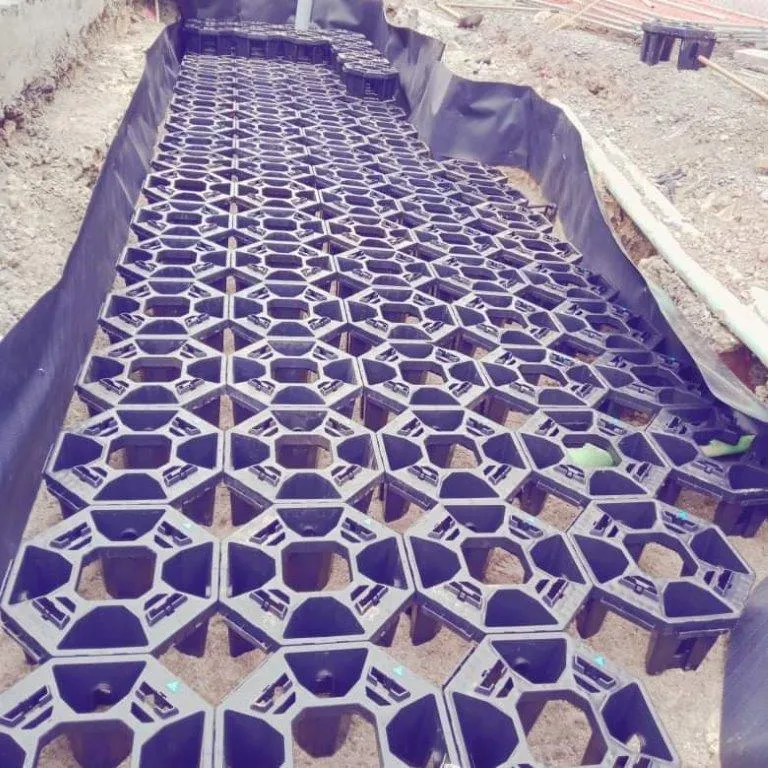
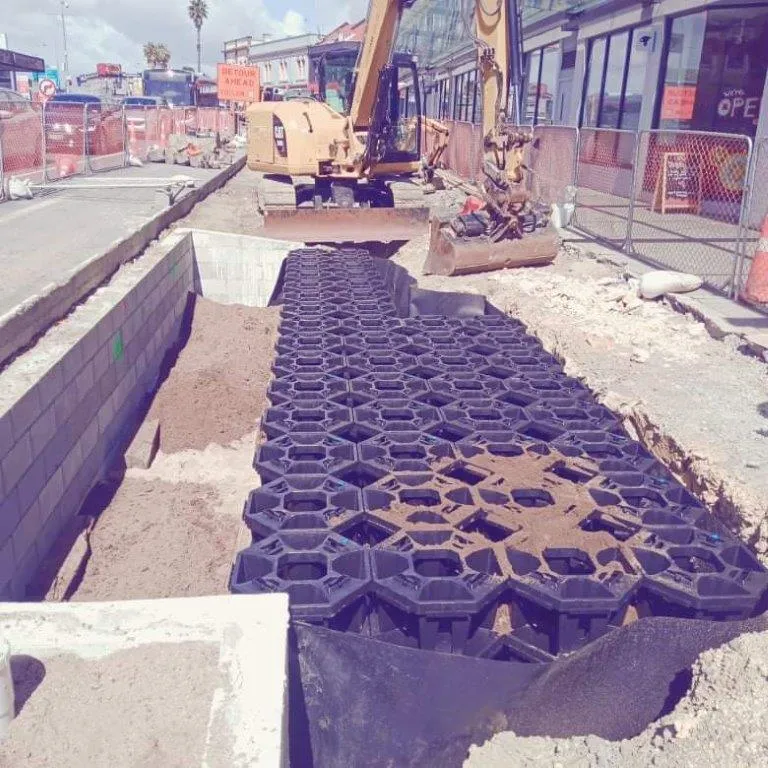
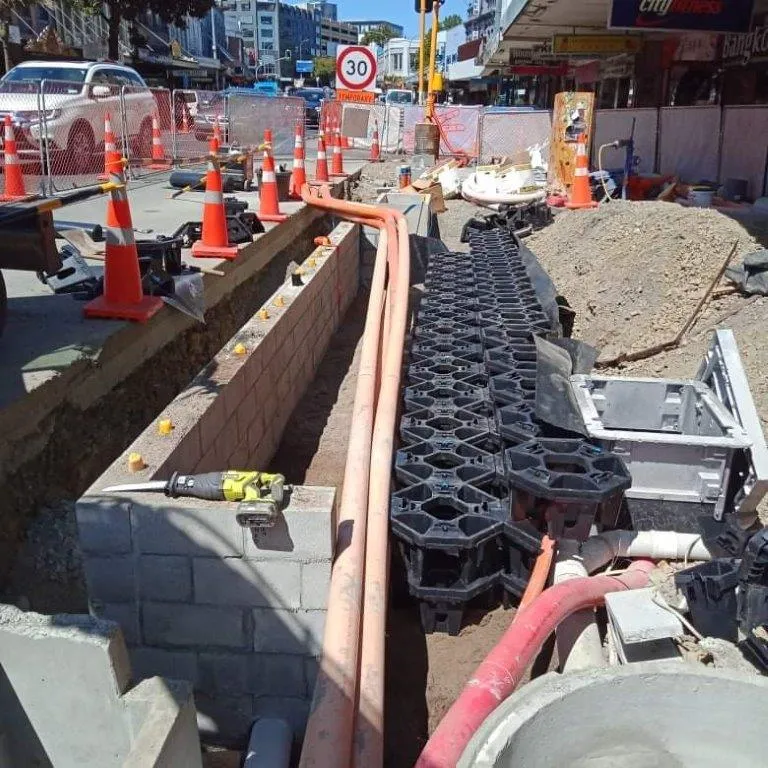
A standard tree pit limits a tree to the soil volume directly beneath the opening, which is why so many urban trees stall at a fraction of their potential size. Strata cells are interlocking modules installed under the paving and filled with structured soil. They carry the load of the surface above while giving roots an uninterrupted volume to grow into.

That volume does two jobs at once. It grows the tree, and it holds water — detaining stormwater beneath the paving, letting it soak and be treated in the soil profile rather than running straight to the network. A cell system sized for a tree is also a detention and bioretention device, which is why it sits within the drainage design rather than alongside it.

The result is a tree that reaches maturity instead of declining after five years, and a catchment that sheds less. Both matter, and the second one is often what gets the system consented.

Some of the strata cell projects Evergreen Landcare has been involved in:

  • Ōtāhuhu Mainstreet Upgrade
  • Teed Street Upgrade
  • Westfield Newmarket Streetscape
  • Karangahape Road Upgrade
  • Countdown Ponsonby Streetscape Upgrade
  • Victoria Park Market Streetscape Upgrade

Street Tree Planting

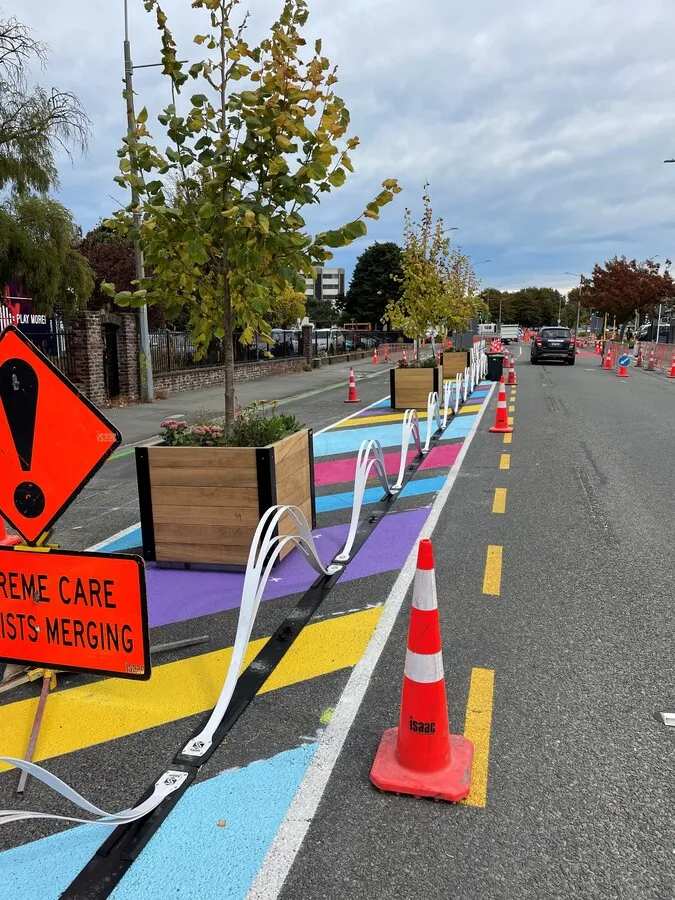
A street tree is only as good as what is under it. Everything on this page — the pit, the media, the drainage, the cells — exists because a tree in hard paving has none of the things a tree in open ground takes for granted: room for roots, water reaching them, and air in the soil.

Get that right and a street tree matures into what the design intended: shade, carbon, habitat, cleaner air, and a corridor people want to walk down rather than through. Get it wrong and you have a declining tree in an expensive hole, and replacing it means lifting the paving as well.

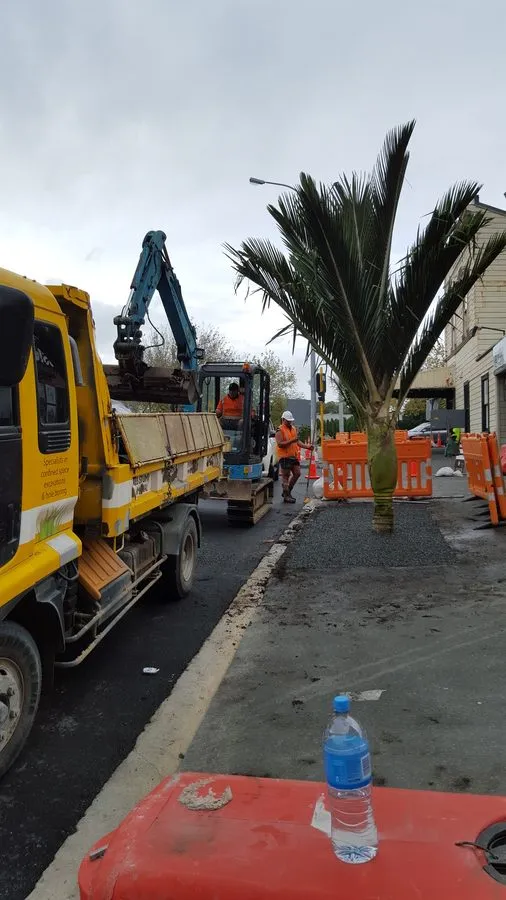
We install from 45L grade street trees through to 1000L specimens, including rootball anchoring, engineered media backfill, drainage connection and irrigation. Species selection is matched to the site — the wind, the reflected heat, the salt, the services and the available volume — rather than to a plan drawn before anyone looked at the ground.

Contact Us