
infrastructure

Flightys Wetland Restoration, SH58

Flightys Wetland, Pāuatahanui

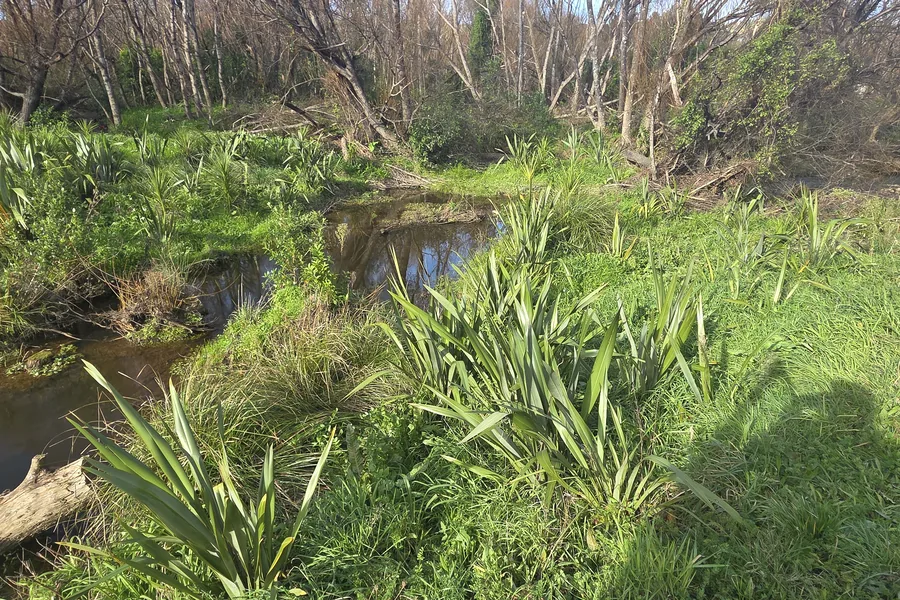
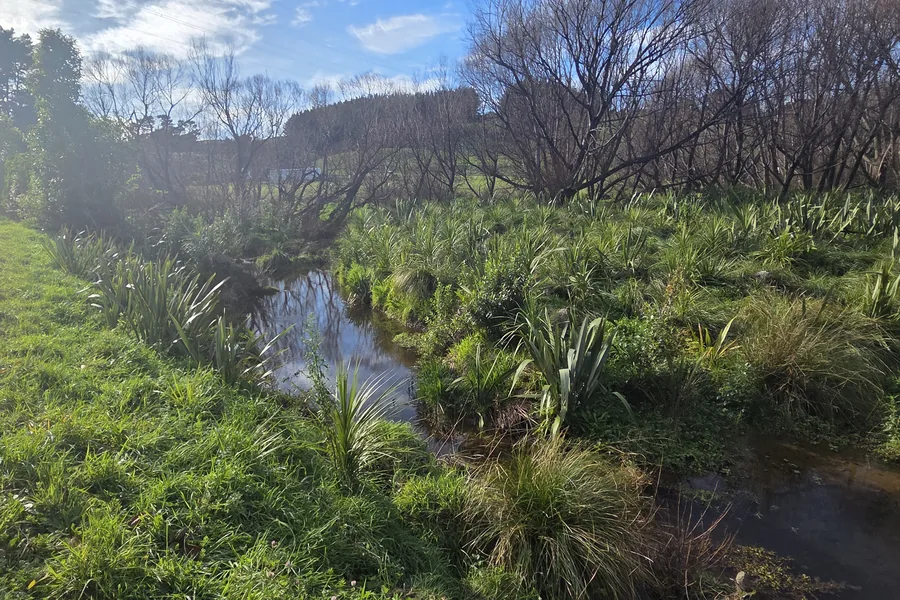
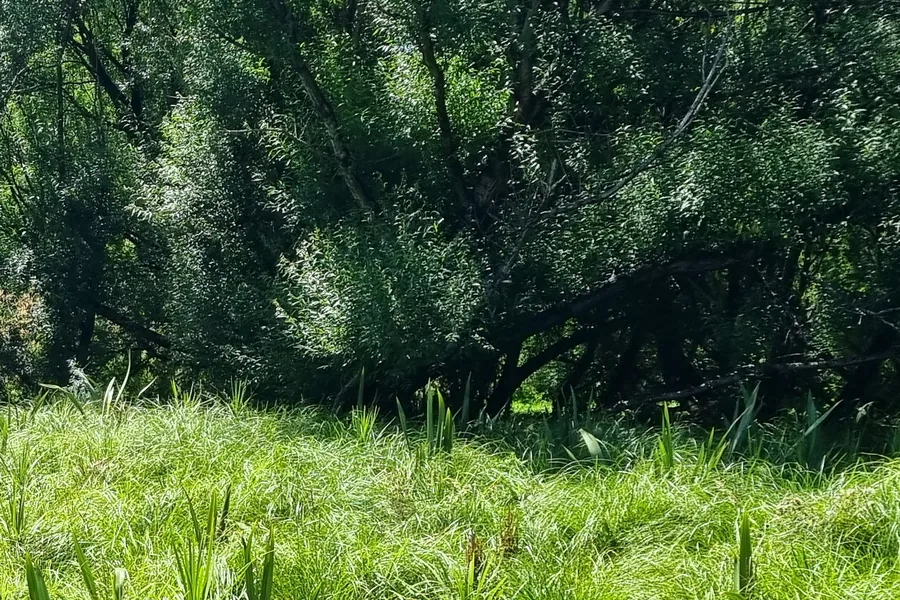
As part of the SH58 Safety Improvements programme, a stand of invasive crack willow was cleared from a small inland wetland beside the Pāuatahanui Stream at Flightys Road. Crack willow crowds out native vegetation and regrows readily from stumps, so felling it was only the first step — without replanting and sustained follow-up, the willow comes straight back.

Evergreen Landcare was engaged by Downer New Zealand to deliver the restoration planting and the three-year maintenance programme required under Greater Wellington Regional Council resource consent WGN240058.
What we delivered
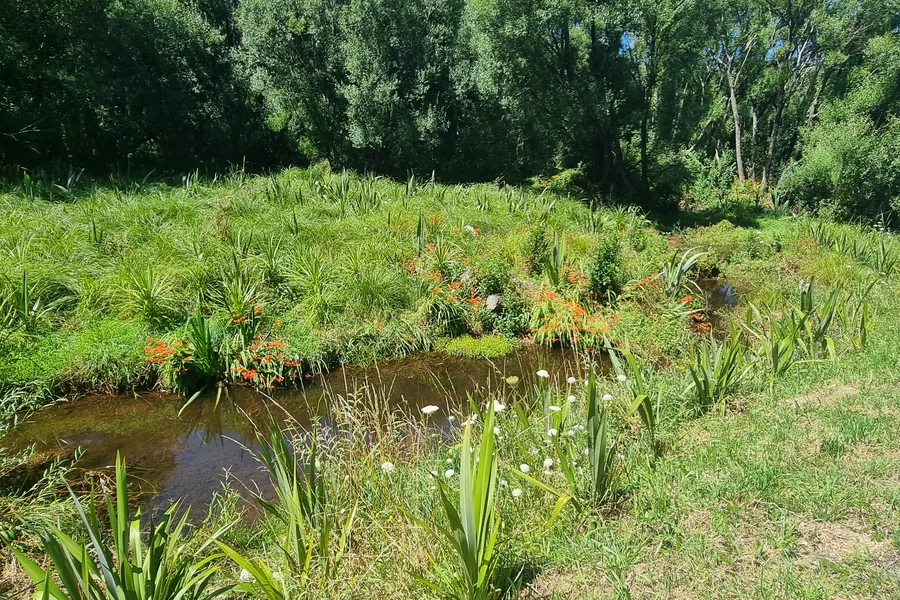
  • 2,240 native wetland plants supplied and planted: harakeke, swamp sedge (Carex virgata), pūrei (Carex secta) and tī kōuka
  • 10 larger-grade specimen trees, including kahikatea and swamp maire, to build a future wetland canopy
  • Species and spacing matched to the consented planting plan and to how wet each part of the site sits
  • Ongoing maintenance: weed control, plant health checks and replacement planting
  • Felled willow stumps monitored and any regrowth treated with herbicide gel, in line with the consent conditions
Why it mattered

Consent conditions do not end when the planting goes in. Greater Wellington required the site to be maintained and the willow regrowth controlled for three years, and the consent sits with the principal contractor — so a failed restoration is their problem, not just ours.

Wetland planting is also unforgiving on species selection. Ground that sits wet for months will kill the wrong plant quickly, so the mix had to follow the water table across the site rather than a uniform specification.

The result

The planted area has established well and is filling in across the wetland margins. Native wetland species are taking the place of the willow — stabilising the stream edge, filtering runoff before it reaches the water and restoring habitat in the Pāuatahanui catchment.

It is a good illustration of what we do beyond the road corridor on major roading work: consent-driven ecological restoration, and the long-term maintenance that is what actually makes planting succeed.

Contact Us