erosion-control

Slope Stabilisation

Erosion control prevents soil particles being washed away by wind or rain. Sediment control catches that soil once it has moved. They are different jobs needing different measures, and an Erosion and Sediment Control Plan is how you work out which goes where. There is a third distinction that matters just as much, and it is the one most often missed.

Surface protection is not slope stability

Protecting a face and stabilising a slope are different engineering problems. Surface treatments — matting, geotextiles, hydraulic mulches, vegetation — work in the top few hundred millimetres. They stop rain splash, sheet flow, rilling and wind erosion, and they are what a consent usually requires.

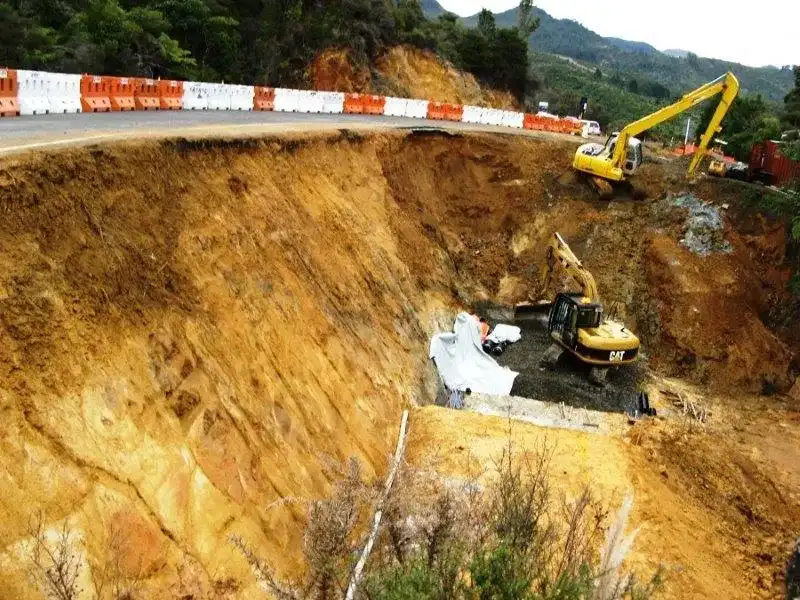
A slope that is actually moving is failing metres below that, and no surface treatment changes it. That is a geotechnical problem needing drainage, reinforcement, regrading or retention, designed by an engineer. Plenty of sites need both, specified and priced separately.

We will tell you which problem you have. If a face needs a geotechnical solution we will say so rather than selling you a treatment that will look correct for one winter.

Siltstop® Sock Slope Protection

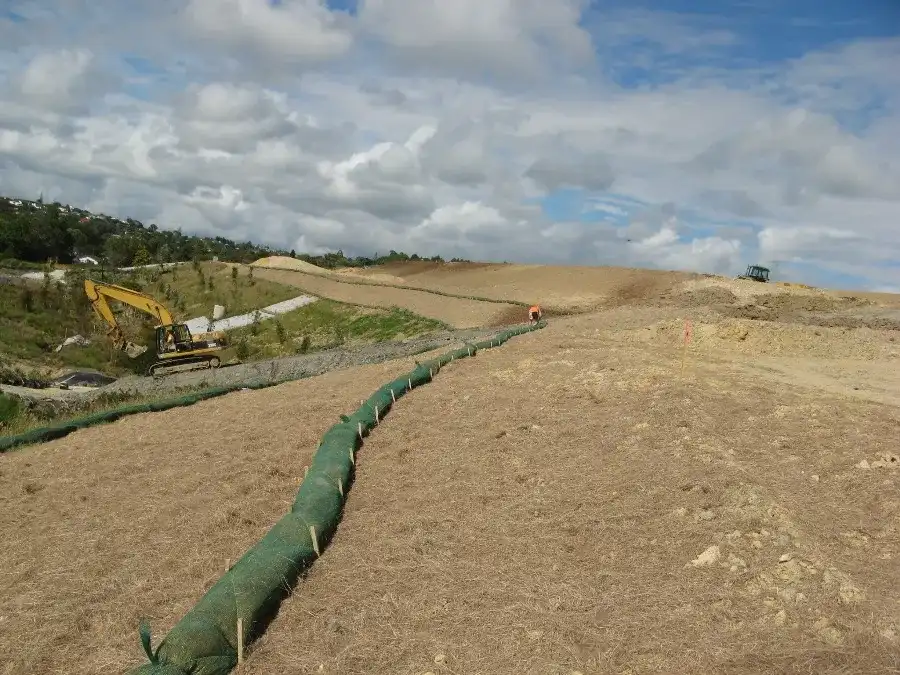
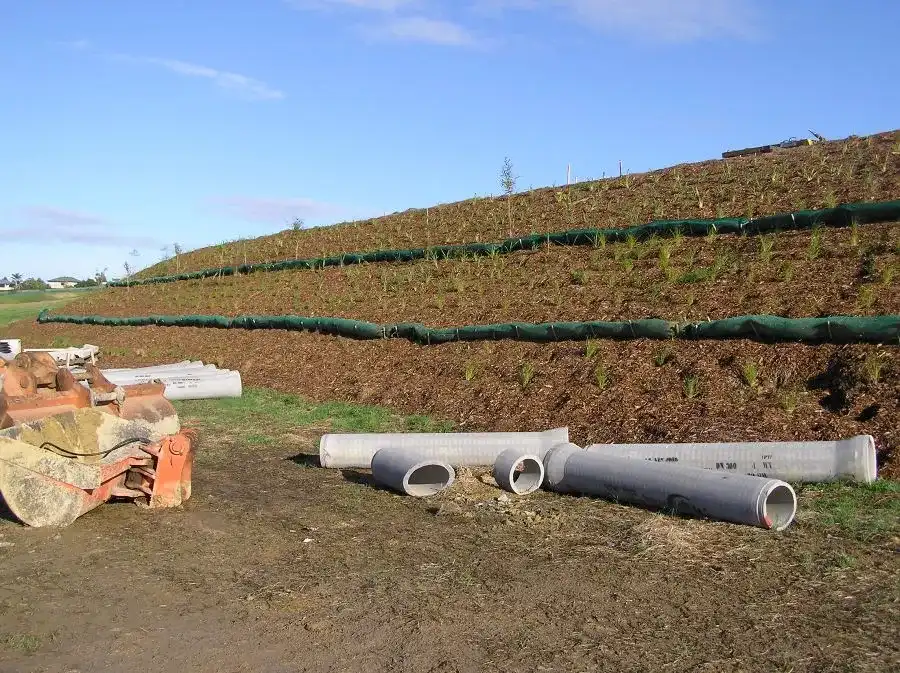
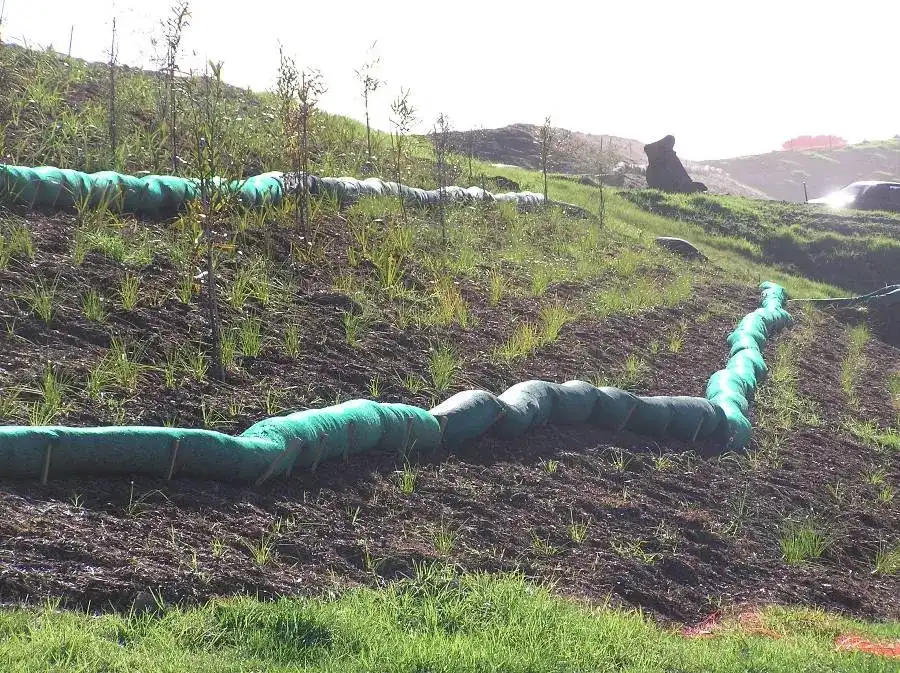
Siltstop socks are permeable socks, traditionally filled with wood chip and soil and confined in a UV-protected sleeve, used to divert or filter runoff across a face.

On a slope they break up flow length, which is what stops sheet flow concentrating into rills. They can be premade to order or manufactured on site at custom lengths to suit the application, and installed at any scale.

Geocell Stabilisation

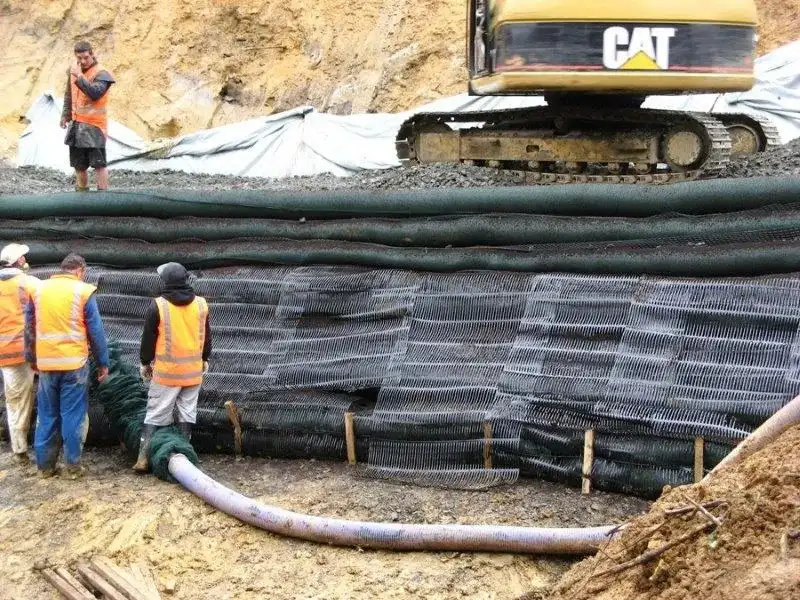
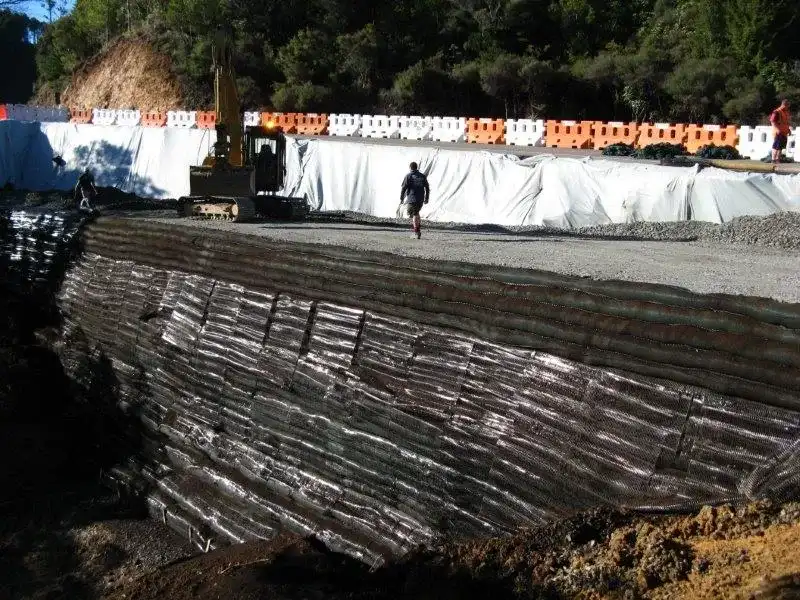
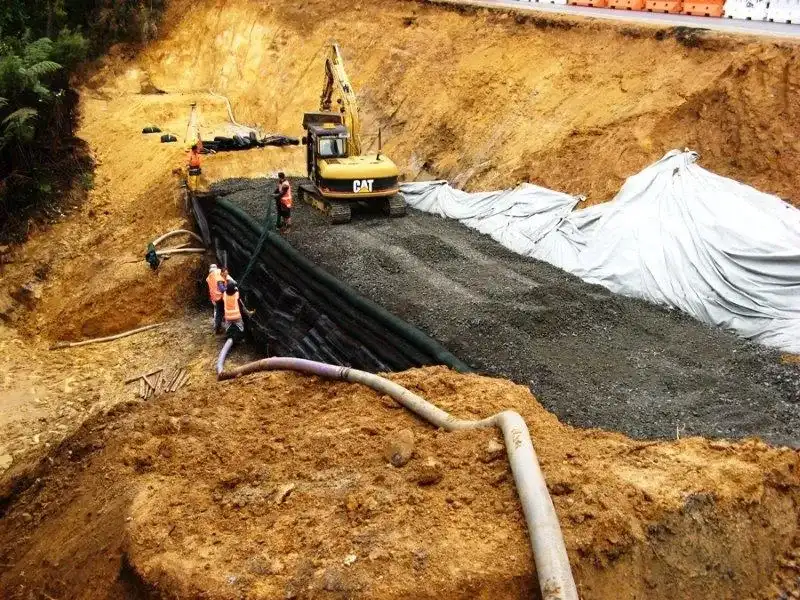
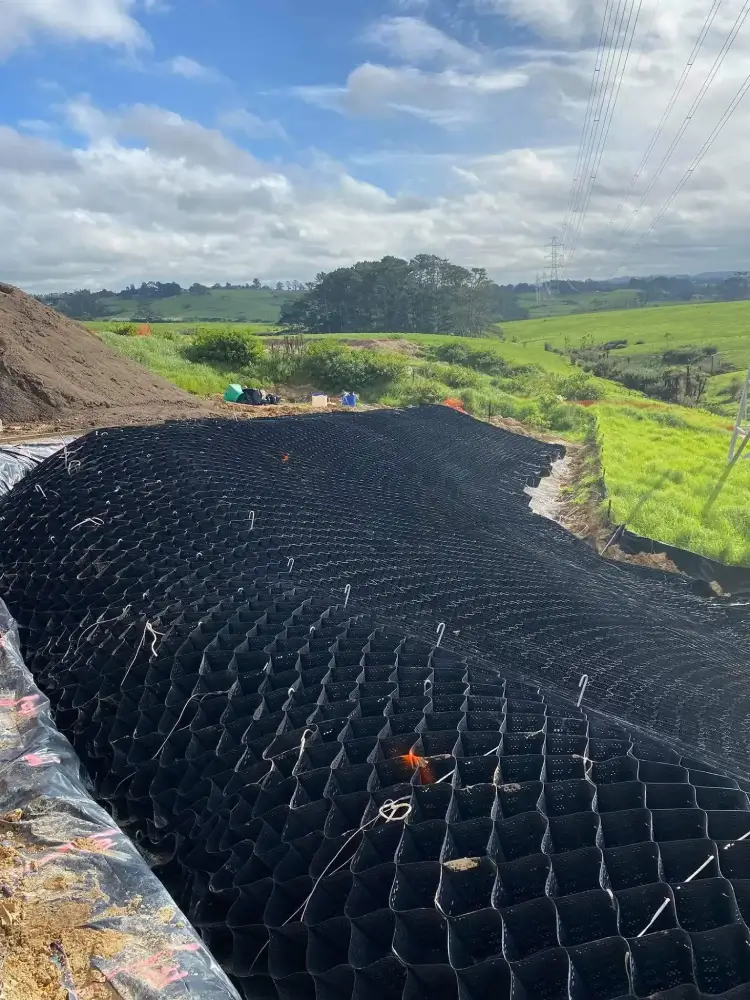
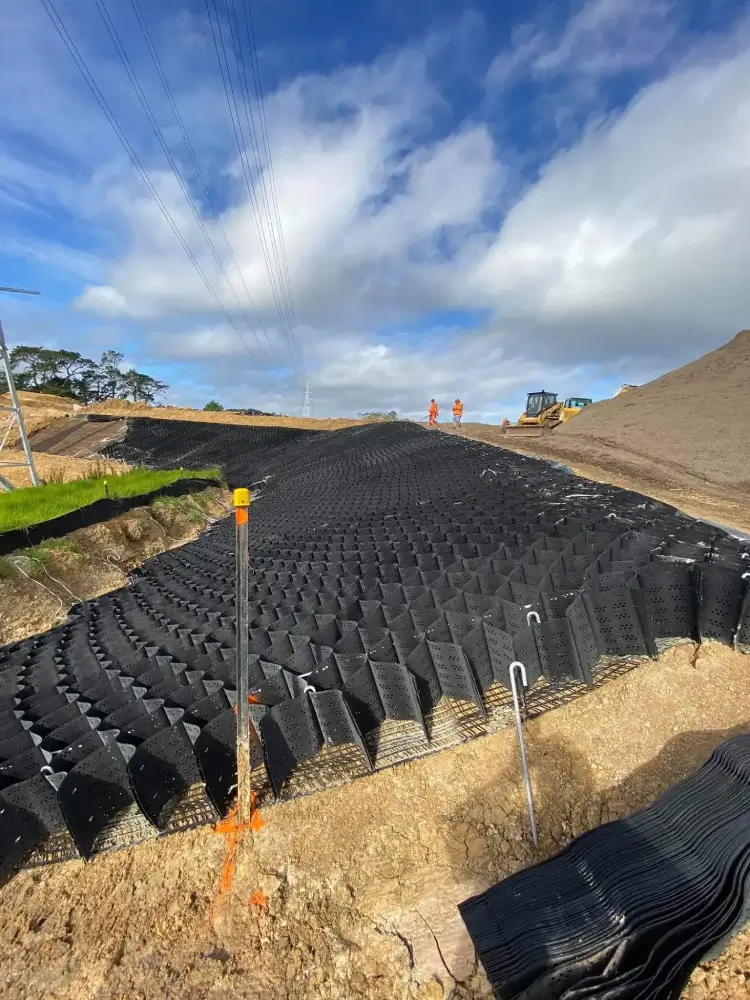
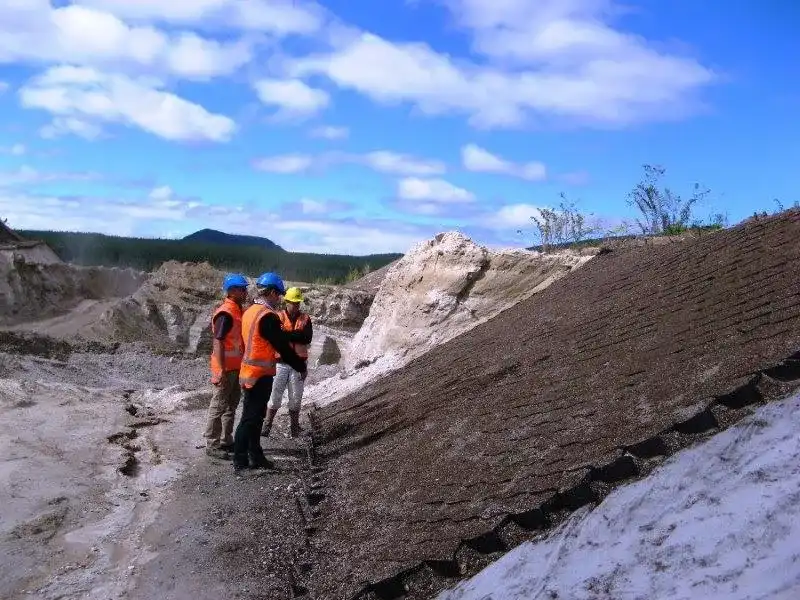
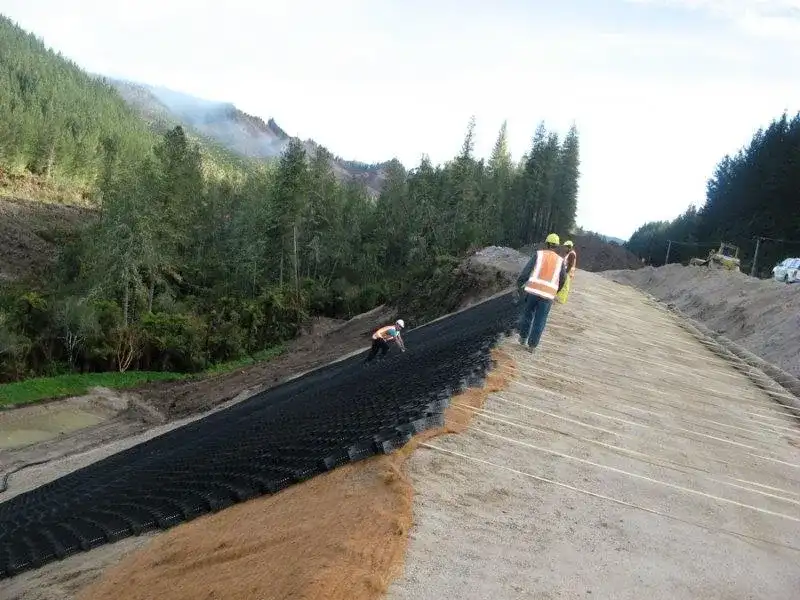
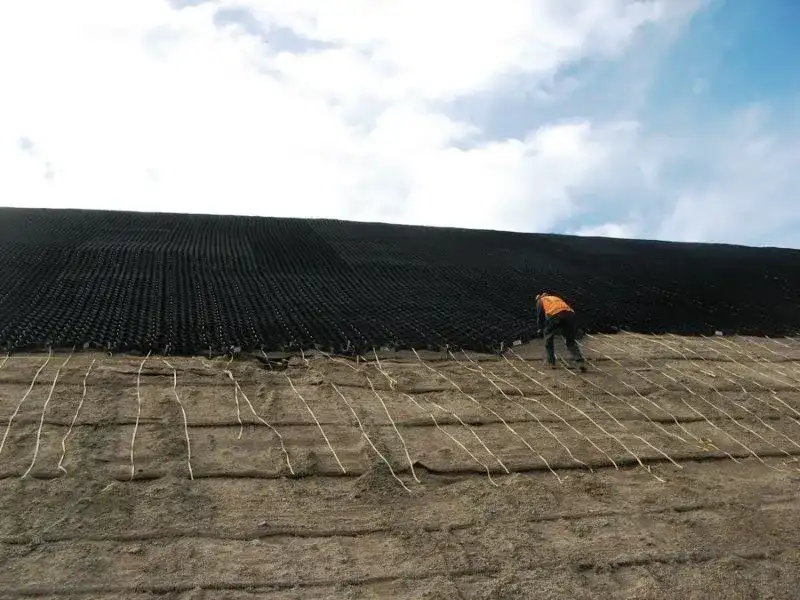
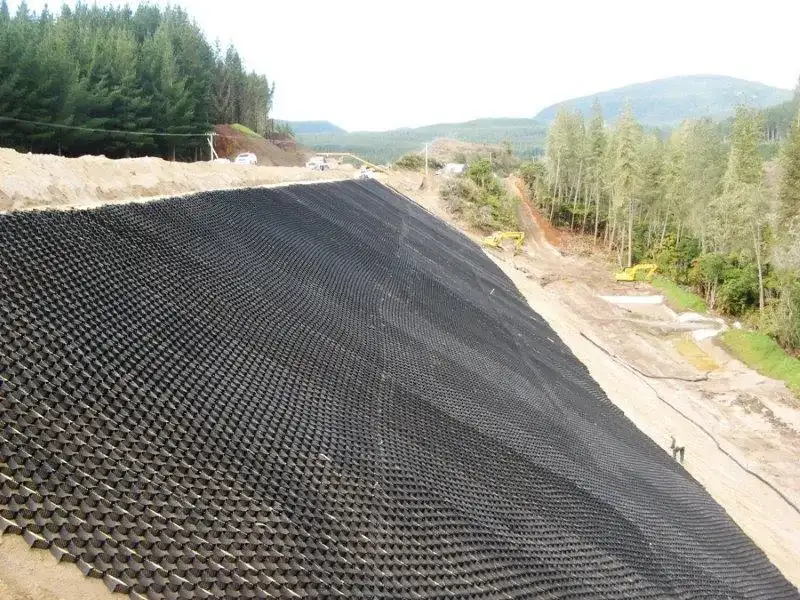
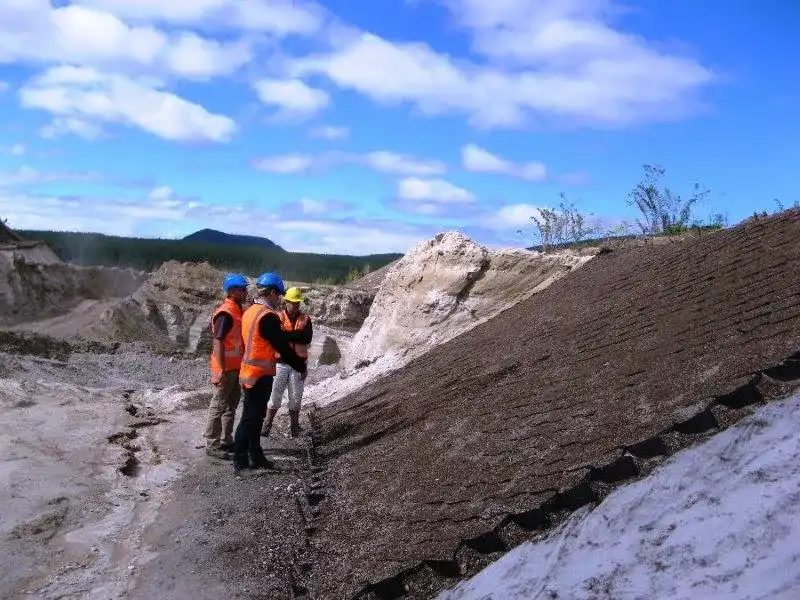
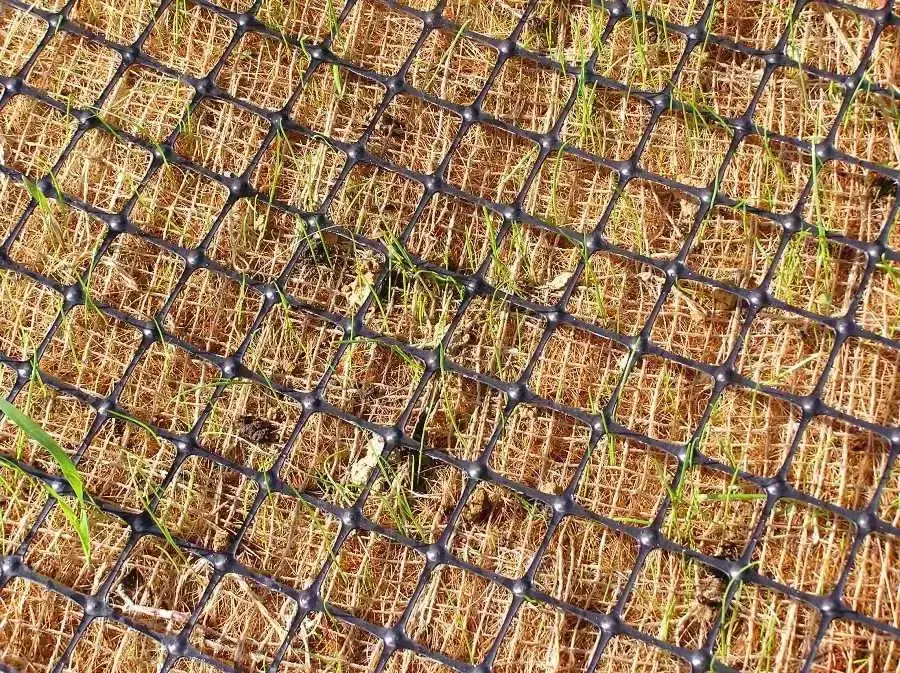
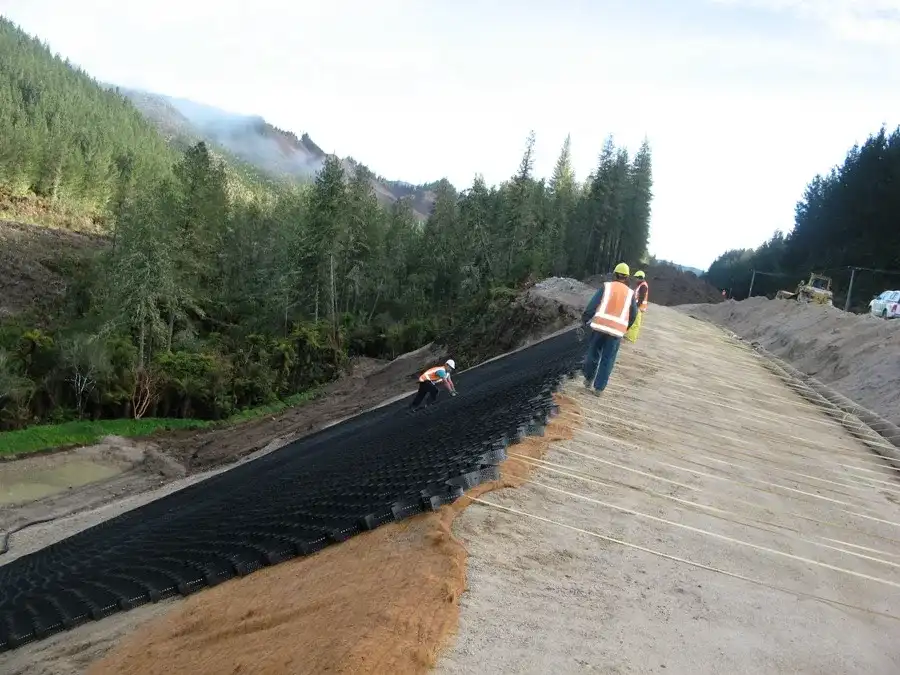
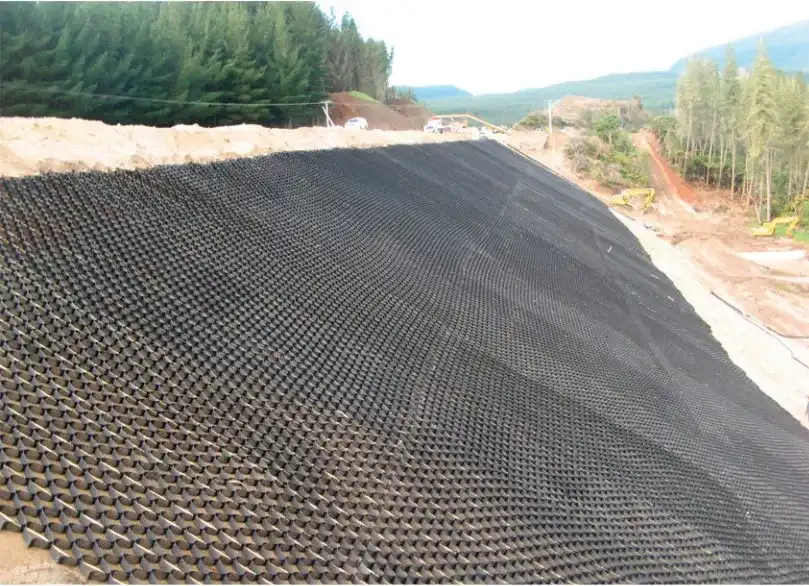
Geocell — Geo Web and Strataweb — is an interconnected honeycomb structure of three-dimensional cells that confines soil so it stays stable under loading it could not otherwise carry.

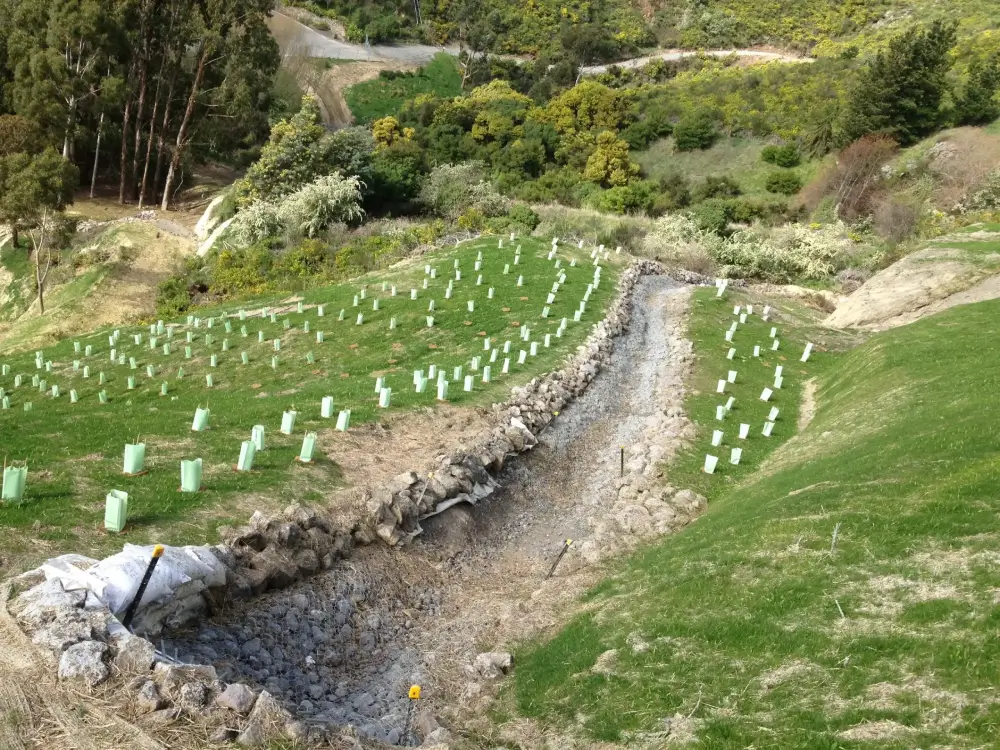
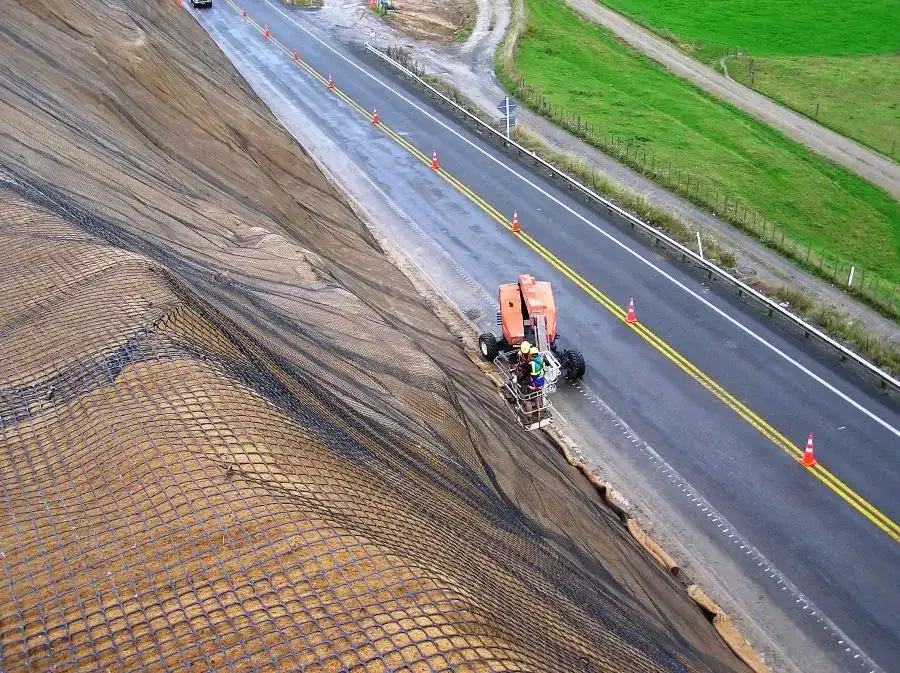
The cells do the structural work. Filled with soil, aggregate or concrete and anchored to the face, they stop material creeping, slumping or being carried away by flow, while still allowing vegetation to establish through a soil infill.

That makes it the answer where surface cover alone will not hold: swales, stormwater diversion, spillways, outfalls and water flow channels, steep faces that need to carry their own weight, and access over soft ground.

We have been installing geocell systems since they came to New Zealand, on projects from single swales through to full corridor installations.

View Showcases
Atiamuri Geo Web SH1
Red Hills Strataweb Geocells Installation

Biodegradable Soil Saver Matting

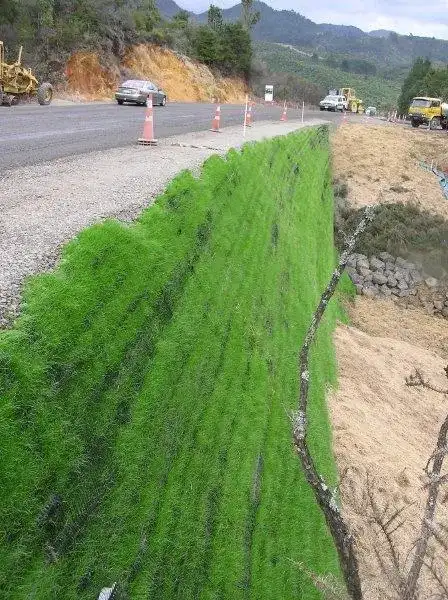
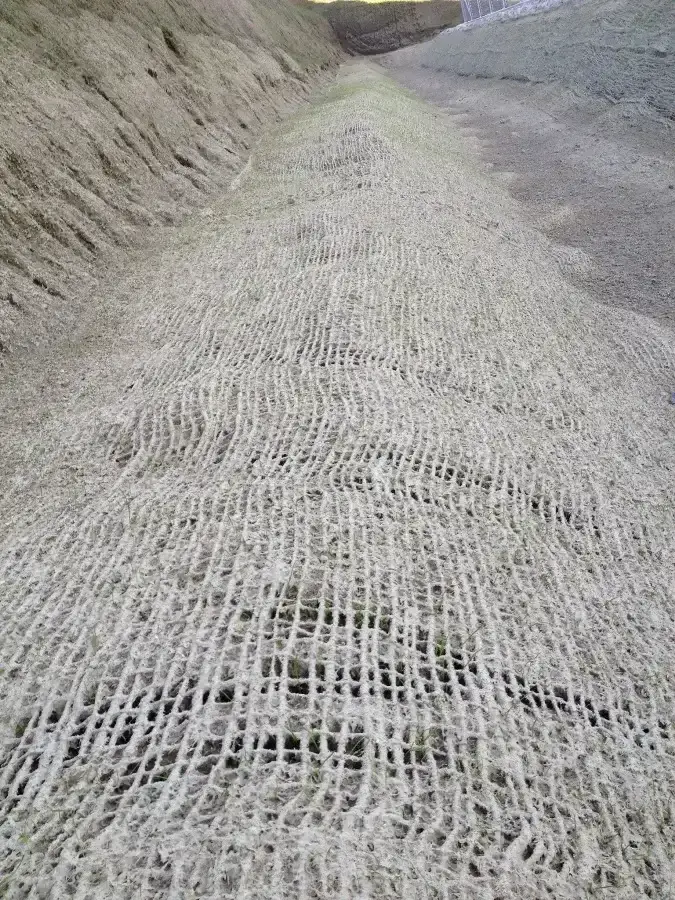
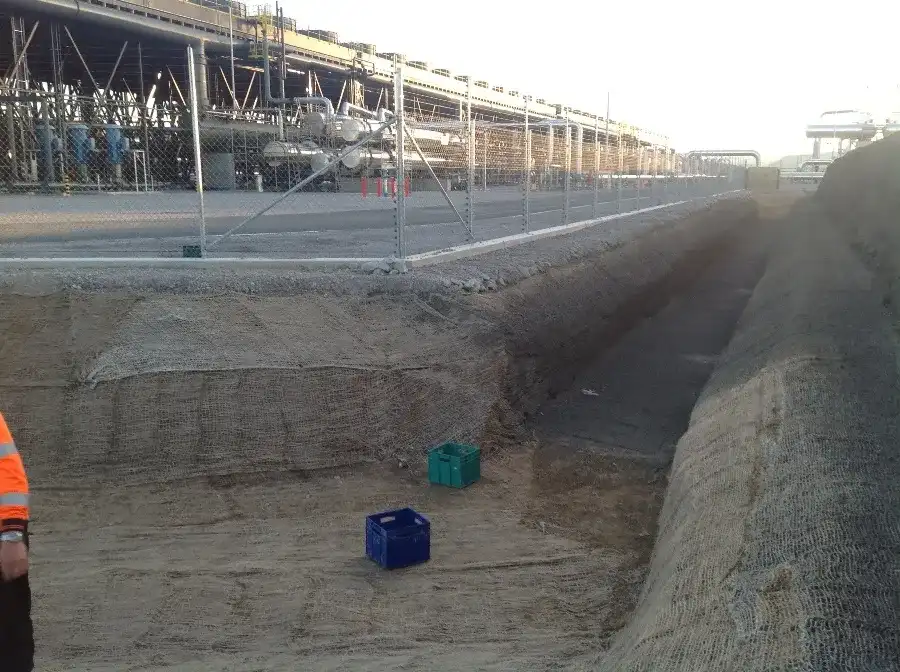
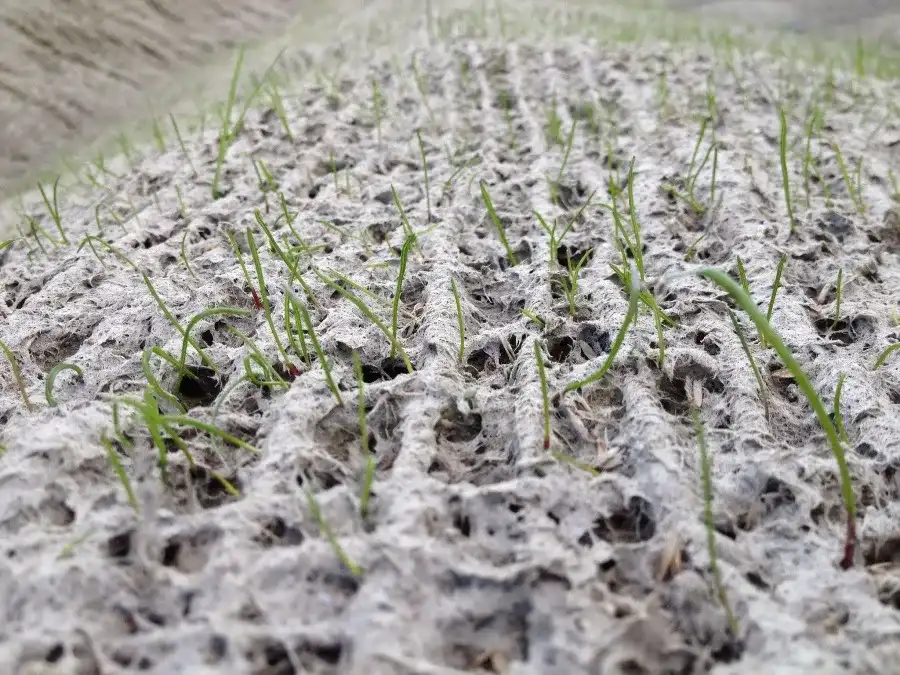
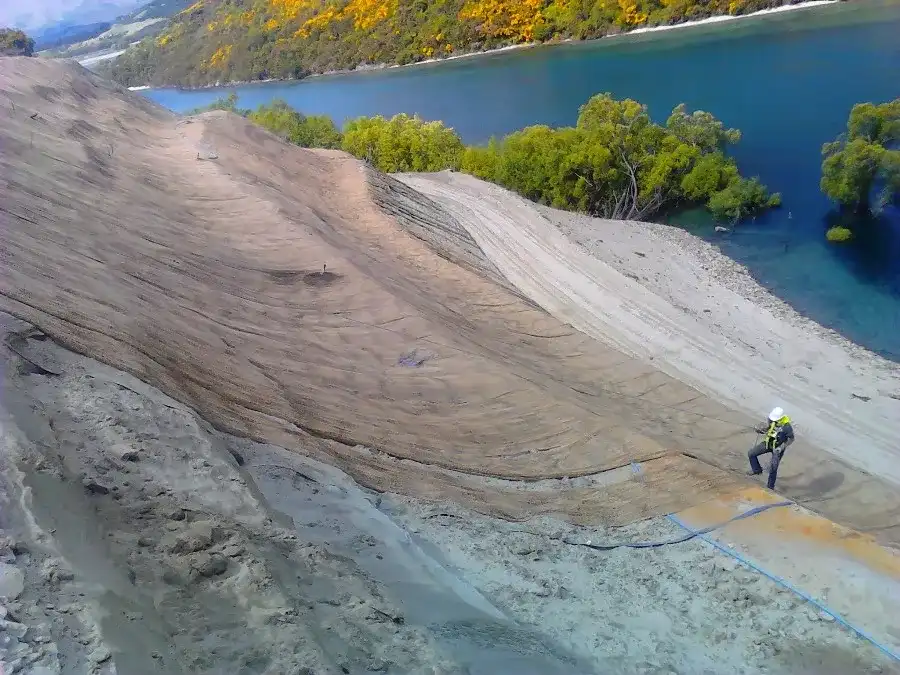
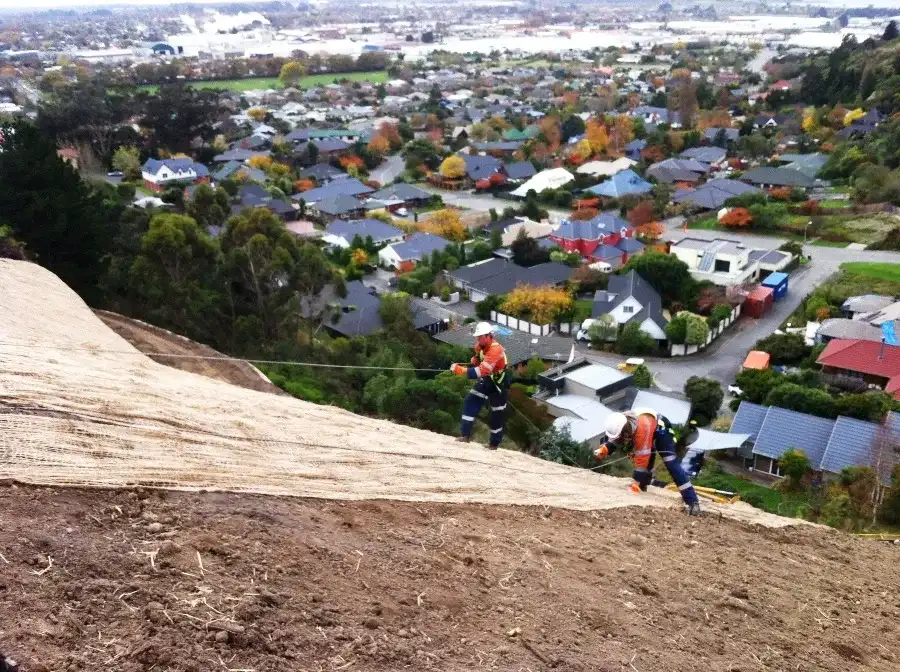
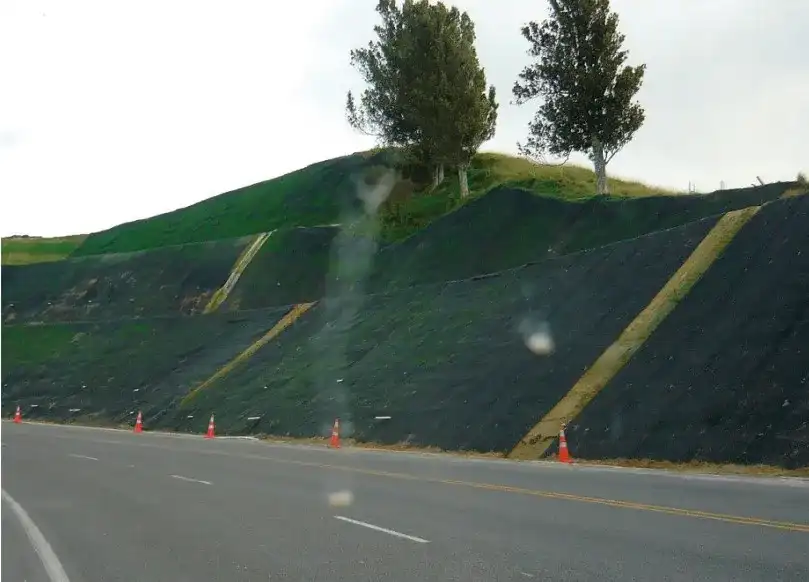
Matting protects a surface while vegetation establishes, and holds ground that is soft, slumping or exposed to wind.

The range runs from silt fence fabric through jute mesh and coconut fibre blankets to reinforced synthetic mesh. Natural fibre products are fully biodegradable and break down as the vegetation they protected takes over the job. Synthetic products last longer where the exposure period is long or the loading is higher.

Each has a specific application, real advantages and real limitations. We work across the range rather than carrying one product, and we will name the limitations as readily as the benefits.

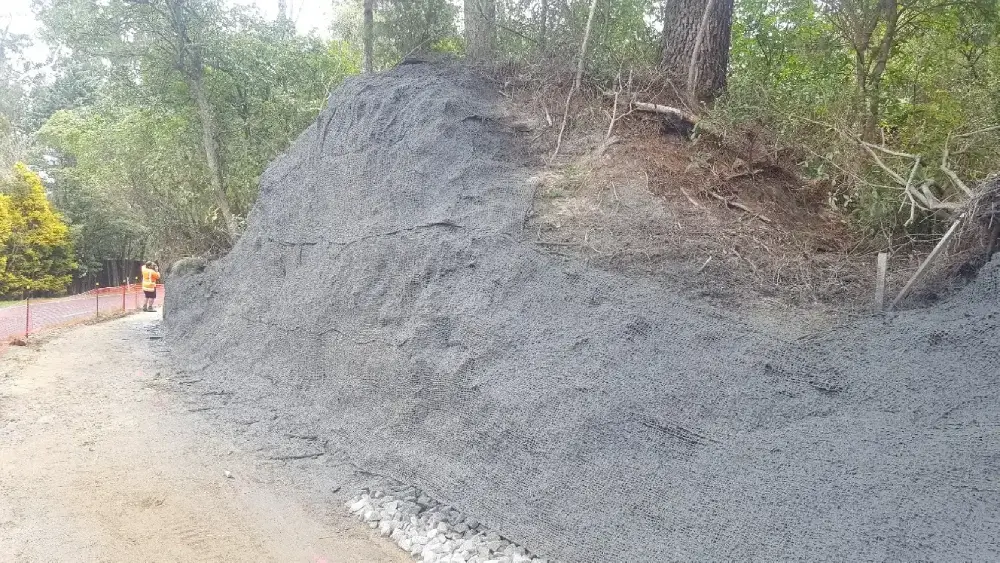
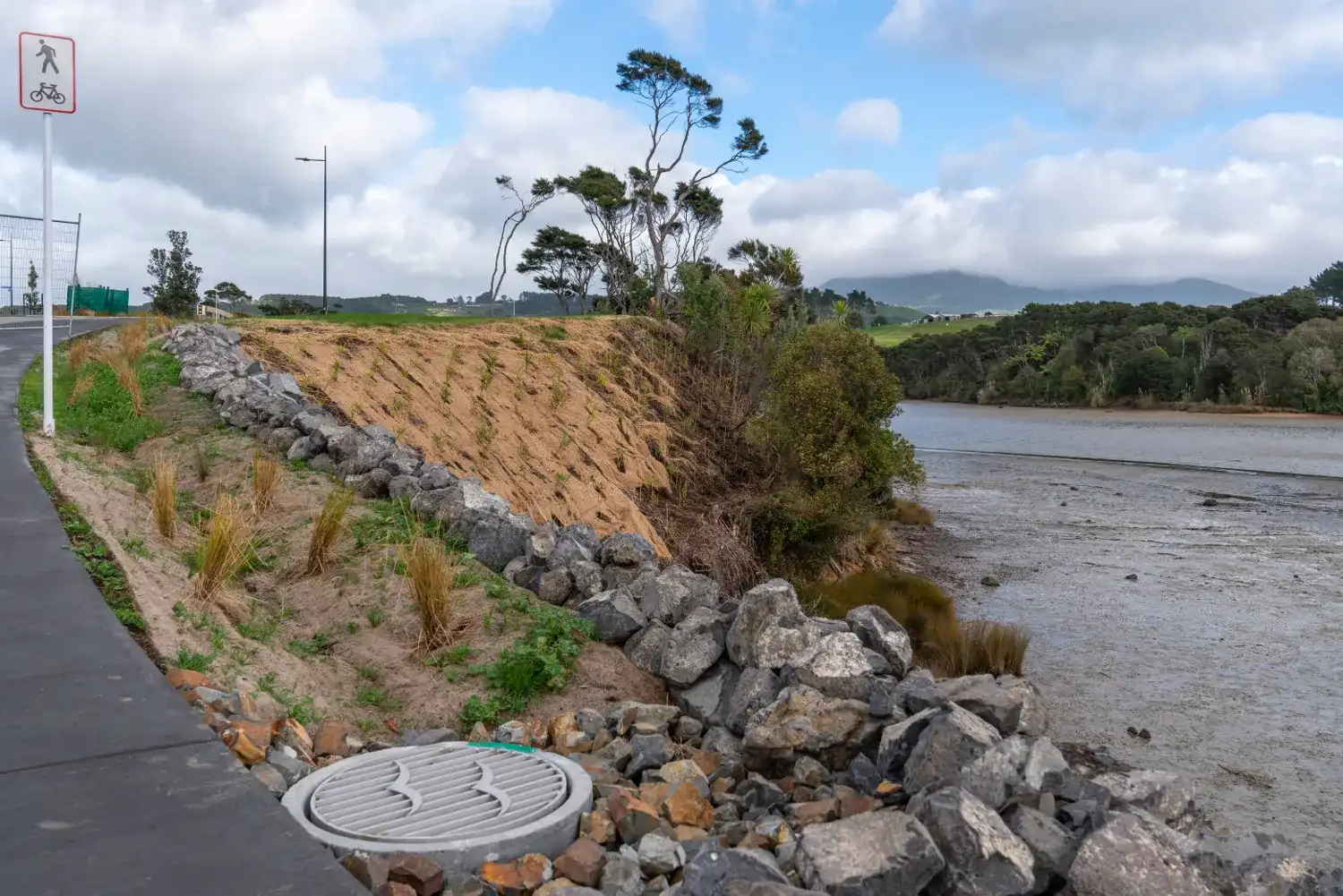
Matting suits slope protection, drainage swales, mulch protection, dune protection, and grass spillways and embankments. It is often applied with a hydraulic treatment over the top — mesh pinned to a raw batter with HydroSoil applied through it gives the surface protection of the mesh and the growing medium the substrate is missing.

Installation decides the outcome. The right anchor trench, overlap and pinning density will hold ground that would otherwise move. Loose or under-pinned, it lifts at the first event and takes the surface with it.

View Showcases
Queenstown Cycle Trail
Huka Falls Road Taupo 

Geotextiles

Geotextiles are engineered fabrics that do structural work a blanket cannot. Where Soil Saver matting protects a surface and then breaks down, a geotextile is specified to stay and keep performing.

They do four jobs, often at once:

  • Separation — keeping aggregate and subgrade from mixing, so a pavement or access layer does not slowly disappear into the ground beneath it
  • Filtration — letting water pass while holding soil particles back
  • Drainage — conducting water within the plane of the fabric to where it can be released safely
  • Reinforcement — adding tensile strength to soil that has none

On erosion work that means woven fabrics for high-flow situations where natural fibre would not survive, turf reinforcement matting where vegetation needs permanent support in a channel, and filtration layers behind and beneath structures.

Specification matters more here than anywhere else on this page, because the fabric is doing an engineering job and the failure is invisible until it is expensive.

Where the situation calls for it, we source fabric meeting GD05’s requirements for high-flow use — a wide-width tensile strength of at least 14 kN/m, a flow rate under 20 litres per square metre per second at 100 mm head, and at least 70% retained strength after 500 hours of UV exposure. Where those properties are not needed, specifying them is money spent on performance the site will never use.

Knowing which situation you are in is the part that matters. We will tell you where a lighter fabric will do the job and where it will not.

View Showcase
Tirau SH1 Geotextile Stabilisation

Planting Stabilisation
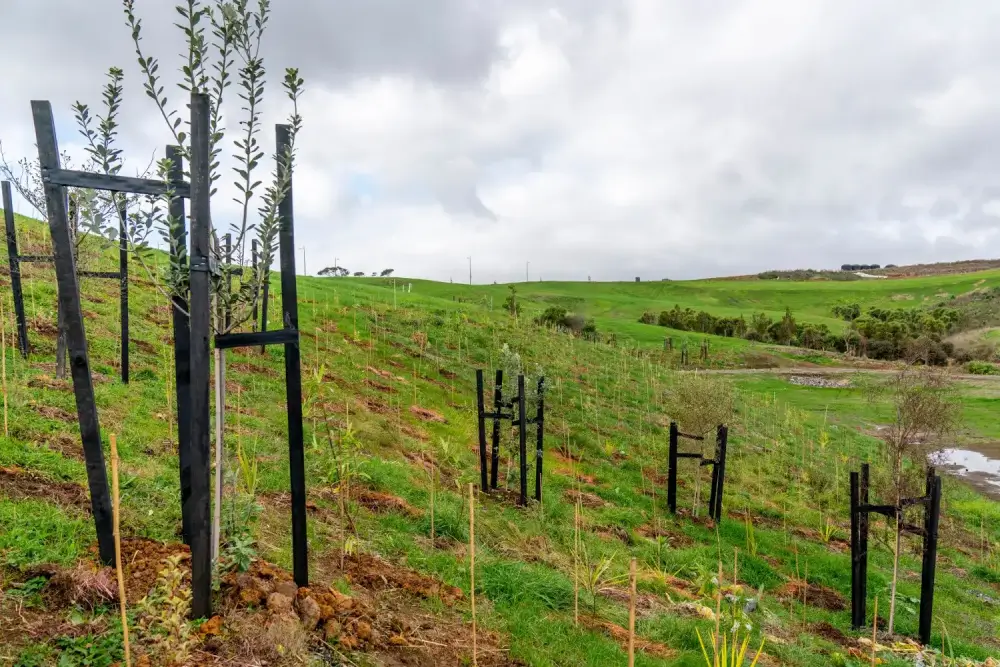
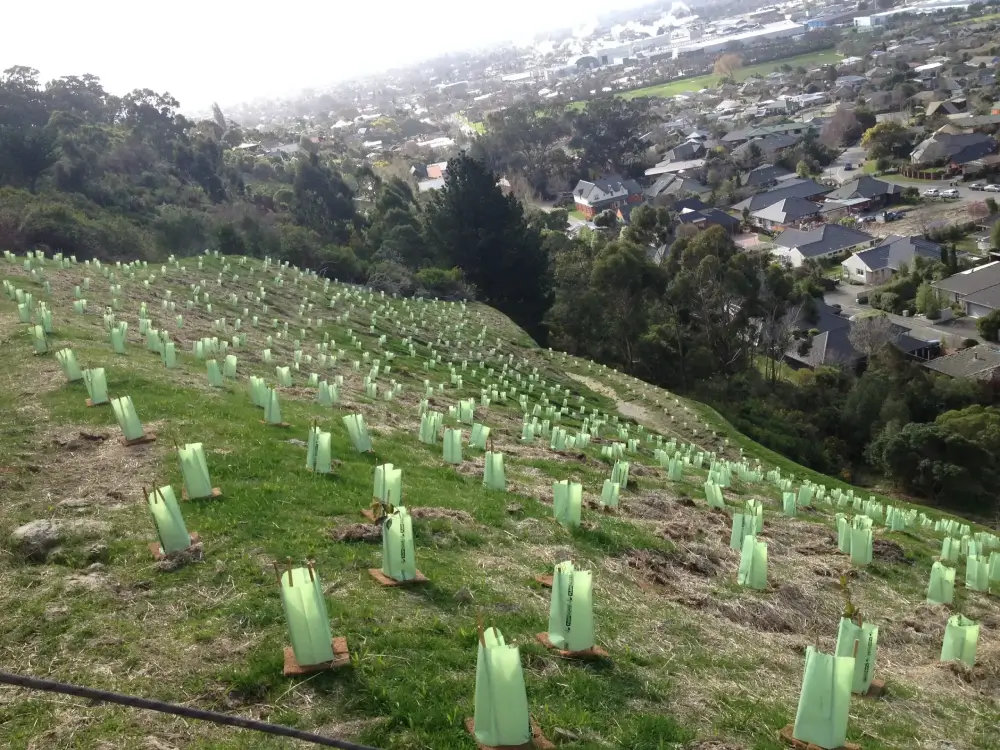
Planting is the only stabilisation measure that gets stronger over time. Roots bind the soil, foliage intercepts and scatters rainfall before it reaches the surface, and a well-chosen species mix manages water across a face rather than shedding it.
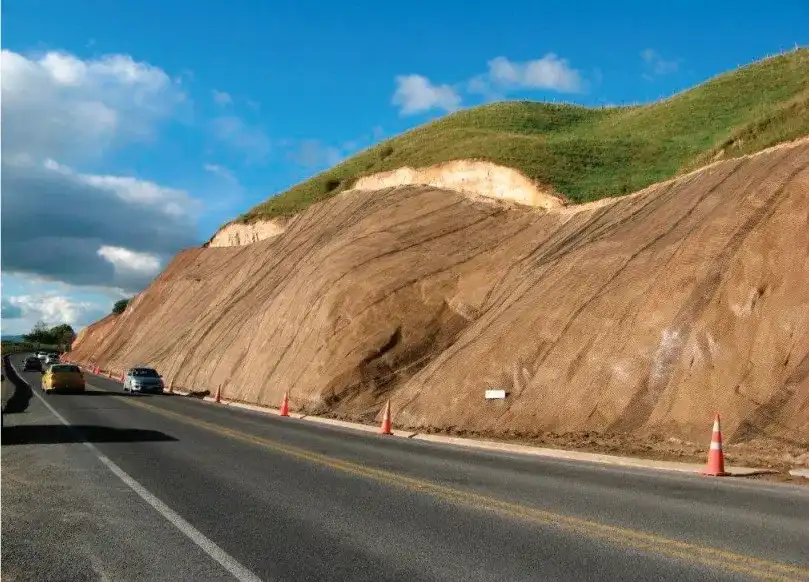
The difficulty is species selection — matching plants to the aspect, the soil, the exposure and the water they will have to handle, and choosing for root architecture rather than for how they look. Get that wrong and you have an expensive planting that does not hold anything.

Whether you have a planting plan already or want advice on species and installation, we can help. On sites where the substrate will not support establishment, planting is usually preceded by a hydraulic soil treatment to give the plants something to grow into.


Contact Us